Dec 10, 2019 | Alumni, IIASA Network, Women in Science
By Luiza Toledo, Science Communication Fellow 2019
Luiza Toledo writes about how the IIASA Women in Science Club are creating a safe space to talk about and advance gender equality in science.
Sustainable Development Goal (SDG) 5 is to achieve gender equality and empower all women and girls. A recent report titled, Harnessing the power of data for gender equality produced by Equal Measures 2030, however, shows that we still have a long way to go before this goal becomes a reality.
Countries in Europe and North America, along with two in the Asia-Pacific region (Australia and New Zealand), achieved the highest scores in terms of gender equality on the 2019 SDG Gender Index. However, even in the 20 top scoring countries, there are still indicators that score low. This suggests that even the countries with high overall scores for gender equality are struggling with thorny issues – one of them being women in science and technology research positions.
As an international institute, IIASA was founded on the principles of equal opportunity, which naturally includes equality in terms of gender balance. The institute’s 2018 Annual Report shows that the number of early-career female IIASA scientists has steadily been growing over the last few years. Since 2016, the number of female researchers increased by 24%, with most of the new hires joining as research assistants. Despite this increasing trend, the gap for PhD level researchers is as high as it has ever been with men outnumbering women four to one. In addition, there is a lack of female scientists in the over-40 age group, which is by no means unique to IIASA. Researchers who study gender and science have even compared women’s careers in science with a leaky pipeline – a flawed channel system that loses quantity before it reaches the destination.

©Liebentritt_Christoph
Even though it is unrealistic to expect a 100% retention of women in science related careers (or any career for that matter), male researchers still have a much higher retention rate in scientific careers than their female colleagues do, and this is where the problem lies. According to the IIASA Diversity and Work Environment Report from 2015, male researchers at IIASA on average stay with the institute for seven years, whereas female researchers stay for only four years. To overcome the leaky pipeline effect, we should start creating a workplace culture that aims to recruit and retain women and is more open to discussing and tackling gender issues in academia, thereby developing a safe networking space.
The Women in Science Club (WISC) at IIASA is a great example of a safe networking space that embraces gender equality and shows the power of women that support other women. Co-led led by Amanda Palazzo, a researcher in the institute’s Ecosystems Services and Management Program, and IIASA Network and Alumni Officer Monika Bauer, the club has a self-proclaimed mission to build a network where women connected to science can share experiences, empower themselves, and highlight the work of other women connected to science.
The idea of creating a network of women in science came about in the fall of 2016 when former Finnish President, Tarja Halonen, visited IIASA. During her visit, she asked to meet with the women of IIASA to talk about diversity and equity issues. This conversation was the first of several meetings that are now attended by women (and men) across the institute under the auspices of WISC.
“The conversation was inspiring and after that first meeting, a few of us thought about organizing a club to continue working on the issues that came up from our discussion with President Halonen,” explains Palazzo.
Nowadays, the WISC organizers arrange lunchtime meetings known as “Meet, greet, and eat” sessions to coincide with visits to IIASA by prominent researchers and other professionals from IIASA and elsewhere who want to share their experiences.
“I’ve found that more experienced and senior women who may have been the only women in their departments at the start of their careers or may have had to fight for a seat at the table are often the quickest to agree to meet with WISC. This shows me that they see the value in a club like ours,” Palazzo adds.
Although the number of women now engaged in science is the highest it has ever been, there are still too few women in positions of leadership. According to Palazzo, at IIASA, this situation is set to change with the institute’s newly appointed Deputy Director General for Science who joined IIASA in November this year.
“I’m excited that Leena Srivastava has joined us and I hope that this is just the start of many changes at IIASA that will bring more women into positions of leadership,” she says.
Palazzo says that the most valuable thing that she has learned so far is that no two women have the same story or path to success.
“I found it reassuring to hear successful women tell us that when they were starting out or even several years into their careers they also didn’t know exactly what contribution they wanted to make. They were learning as they went along. It has also been useful to hear women talk about building resilience to negative comments or behaviors and recognize that these behaviors reflect the other person’s fear and insecurity. In the end, the Women in Science Club is a place to share, contribute, listen, and learn. We want women connected to science to feel that they are a member of our community, that they have a seat at our table, and that they belong here,” she concludes.
Note: This article gives the views of the author, and not the position of the Nexus blog, nor of the International Institute for Applied Systems Analysis.
Dec 4, 2019 | Ecosystems, Environment, IIASA Network
By Brian Fath, Young Scientists Summer Program (YSSP) scientific coordinator, researcher in the Advanced Systems Analysis Program, and professor in the Department of Biological Sciences at Towson University (Maryland, USA) and Soeren Nors Nielsen, Associate professor in the Section for Sustainable Biotechnology, Aalborg University, Denmark
IIASA Young Scientists Summer Program (YSSP) scientific coordinator, Brian Fath and colleagues take an extended look at the application of the ecosystem principles to environmental management in their book, A New Ecology, of which the second edition was just released.
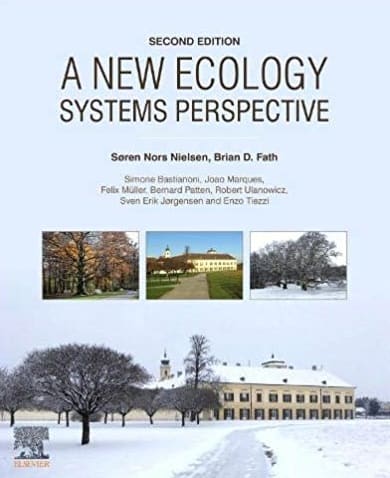 IIASA is known for some of the earliest studies of ecosystem dynamics and resilience, such as work done at the institute under the leadership of Buzz Holling. The authors of the book, A New Ecology, of which the second edition was just released, are all systems ecologists, and we chose to use IIASA as the location for one of the brainstorming meetings to advance the ideas outlined in the book. At this meeting, we crystallized the idea that ecosystem ontology and phenomenology can be summarized in nine key principles. We continue to work with researchers at the institute to look for novel applications of the approach to socioeconomic systems – such as under the current EU project, RECREATE – in which the Advanced Systems Analysis Program is participating. The project uses ecological principles to study urban metabolism – a multi-disciplinary and integrated platform that examines material and energy flows in cities as complex systems.
Our book argues the need for a new ecology grounded in the first principles of good science and is also applicable for environmental management. Advances such as the United Nations Rio Declaration on Sustainable Development in 1992 and the more recent adoption of the Sustainable Development Goals (2015) have put on notice the need to understand and protect the health and integrity of the Earth’s ecosystems to ensure our future existence. Drawing on decades of work from systems ecology that includes inspiration from a variety of adjacent research areas such as thermodynamics, self-organization, complexity, networks, and dynamics, we present nine core principles for ecosystem function and development.
The book takes an extended look at the application of the ecosystem principles to environmental management. This begins with a review of sustainability concepts and the confusion and inconsistencies of this is presented with the new insight that systems ecology can bring to the discussion. Some holistic indicators, which may be used in analyzing the sustainability states of environmental systems, are presented. We also recognize that ecosystems and society are physically open systems that are in a thermodynamic sense exchanging energy and matter to maintain levels of organization that would otherwise be unattainable, such as promoting growth, adaptation, patterns, structures, and renewal.
Another fundamental part of the evolution of the just mentioned systems are that they are capable of exhibiting variation. This property is maintained by the fact that the systems are also behaviorally open, in brief, capable of taking on an immense number of combinatorial possibilities. Such an openness would immediately lead to a totally indeterminate behavior of systems, which seemingly is not the case. This therefore draws our attention towards a better understanding of the constraints of the system.
One way of exploring the interconnectivity in ecosystems is taking place mainly through the lens of ecological network analysis. A primer for network environment analysis is provided to familiarize the reader with notation including worked examples. Inherent in energy flow networks, such as ecosystem food webs, the real transactional flows give rise to many hidden properties such as the rise in indirect pathways and indirect influence, an overall homogenization of flow, and a rise in mutualistic relations, while hierarchies represent conditions of both top-down and bottom-up tendencies. In ecosystems, there are many levels of hierarchies that emerge out of these cross-time and space scale interactions. Managing ecosystems requires knowledge at several of these multiple scales, from lower level population-community to upper level landscape/region.
Viewing the tenets of ecological succession through a lens of systems ecology lends our attention the agency that drives the directionality stemming from the interplay and interactions of the autocatalytic loops – that is, closed circular paths where each element in the loop depends on the previous one for its production – and their continuous development for increased efficiency and attraction of matter and energy into the loops. Ecosystems are found to show a healthy balance between efficiency and redundancy, which provides enough organization for effectiveness and enough buffer to deal with contingencies and inevitable perturbations.
Yet, the world around us is largely out of equilibrium – the atmosphere, the soils, the ocean carbonates, and clearly, the biosphere – selectively combine and confine certain elements at the expense of others. These stable/homoeostatic conditions are mediated by the actions of ecological systems. Ecosystems change over time displaying a particular and identifiable pattern and direction. Another “unpleasant” feature of the capability for change is to further evolve through collapses. Such collapse events open up creative spaces for colonization and the emergence of new species and new systems. This pattern includes growth and development stages followed by the collapse and subsequent reorganization and launching to a new cycle.
A good theory should be applicable to the concepts in the field it is trying to influence. While the mainstream ecologists are not regularly applying systems ecology concepts, the purpose of our book is to show the usefulness of the above ecosystem principles in explaining standard ecological concepts and tenets. Case studies from the general ecology literature are given relating to evolution, island bio-geography, biodiversity, keystone species, optimal foraging, and niche theory to name a few.
No theory is ever complete, so we invite readers to respond and comment on the ideas in the book and offer feedback to help improve the ideas, and in particular the application of these principles to environmental management. We see a dual goal to understand and steward ecological resources, both for their sake and our own, with the purpose of an ultimate sustainability.
Note: This article gives the views of the author, and not the position of the Nexus blog, nor of the International Institute for Applied Systems Analysis.
Nov 21, 2019 | Air Pollution, Environment, Food & Water, Indonesia, Women in Science
By Adriana Gómez-Sanabria, researcher in the IIASA Air Quality and Greenhouse Gases Program
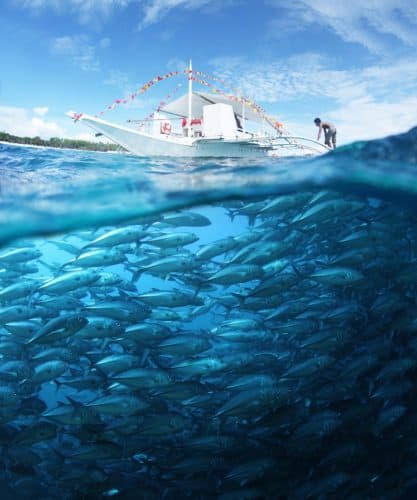
Adriana Gómez-Sanabria discusses the results of a new study that looked into the impacts of implementing various technologies to treat wastewater from the fish processing industry in Indonesia.
© Mikhail Dudarev | Dreamstime.com
To reduce water pollution and climate risks, the world needs to go beyond signing agreements and start acting. Translating agreements and policies into action is however always much more difficult than it might seem, because it requires all players involved to participate. A complete integration strategy across all sectors is needed. One of the advantages of integrating all sectors is that it would be possible to meet different objectives, for example, climate and water protection goals in this case, with the same strategy.
I was involved in a study that assessed the impacts of implementing various technologies to treat wastewater from the fish processing industry in Indonesia when involving different levels of governance. This study is part of the strategies that the government of Indonesia is evaluating to meet the greenhouse gas mitigation goals pledged in its Nationally Determined Contribution (NDC), as well as to reduce water pollution. Although Indonesia has severe national wastewater regulations, especially in the fish processing industry, these are not being strictly implemented due to lack of expertise, wastewater infrastructure, budgetary availability, and lack of stakeholder engagement. The objective of the study was to evaluate which technology would be the most appropriate and what levels of governance would need to be involved to simultaneously meet national climate and water quality targets in the country.
Seven different wastewater treatment technologies and governance levels were included in the analysis. The combinations included were: 1) Untreated/anaerobic lagoons – where untreated means wastewater is discharged without any treatment and anaerobic lagoons are ponds filled with wastewater that undergo anaerobic processes – combined with the current level of governance. 2) Aeration lagoons – which are wastewater treatment systems consisting of a pond with artificial aeration to promote the oxidation of wastewaters, plus activated sludge focused solely on water quality targets with no coordination between water and climate institutions. 3) Swimbed, which is an aerobic aeration tank focusing mainly on climate targets assuming no coordination between institutions. 4) Upflow anaerobic sludge blanket (UASB) technology, which is an anaerobic reactor with gas recovery and use followed by Swimbed, and 5) UASB with gas recovery and use followed by activated sludge, which is an aerobic treatment that uses microorganisms forming particles that clump together. Both, 4 and 5 assume vertical and horizontal coordination between water and climate institutions at national, regional, and local level. It is important to notice that the main difference between 4 and 5 is the technology used in the second step. Two additional combinations, 6 and 7, are also proposed including the same technological combinations of 4 and 5, but these include increasing the level of governance to a multi-actor coordination level. The multi-actor level includes coordination at all institutional levels but also involves academia, research institutes, international support, and other stakeholders.
Our results indicate that if the current situation continues, there would be an increase of greenhouse gases and water pollution between 2015 and 2030, driven by the growth in fish industry production volumes. Interestingly, the study also shows that focusing only on strengthening capacities to enforce national water policies would result in greenhouse gas emissions five times higher in 2030 than if the current situation continues, due to the increased electricity consumption and sludge production from the wastewater treatment process. The benefit of this strategy would be positive for the reduction of water pollution, but negative for climate change mitigation. From our analyses of combinations 2 and 3 we learned that technology can be very efficient for one purpose but detrimental for others. If different institutions are, for example, responsible for water quality and climate change mitigation, communication between the institutions is crucial to avoid trade-offs between environmental objectives.
Furthermore, when analyzing different cooperation strategies together with a combination of diverse sets of technologies, we found that not all combinations work appropriately. For instance, improving interaction just within and between institutions does not guarantee proper selection and application of technologies. In this case, the adoption of the technology is not fast enough to meet the targets proposed in 2030, thus resulting in policy implementation failures. Our analyses of combinations 4 and 5 showed that interaction within and between national, regional, and local institutions alone is not enough to prevent policy failure.
Finally, a multi-actor cooperation strategy that includes cooperation across sectors, administrative levels, international support, and stakeholders, seems to be the right approach to ensure selection of the most appropriate technologies and achieve policy success. We identified that with this approach, it would be possible to reduce water pollution and simultaneously decrease greenhouse gas emissions from the electricity required for wastewater treatment. Analyzing combinations 6 and 7 revealed that multi-actor governance allows to simultaneously meet climate and water objectives and a high chance to prevent policy failure.
In the end, analyses such as the one shown here, highlight the importance of integrating and creating synergies across sectors, administrative levels, stakeholders, and international institutions to ensure an effective implementation of policies that provide incentives to make careful choices regarding multi-objective treatment technologies.
Reference:
Gómez-Sanabria A, Zusman E, Höglund-Isaksson L, Klimont Z, Lee S-Y, Akahoshi K, Farzaneh H, & Chairunnisa (2019). Sustainable wastewater management in Indonesia’s fish processing industry: bringing governance into scenario analysis. Journal of Environmental Management (Submitted).
Note: This article gives the views of the author, and not the position of the Nexus blog, nor of the International Institute for Applied Systems Analysis.
Nov 12, 2019 | Austria, Communication, Demography, Women in Science
By Nadejda Komendantova, researcher in the IIASA Advanced Systems Analysis Program
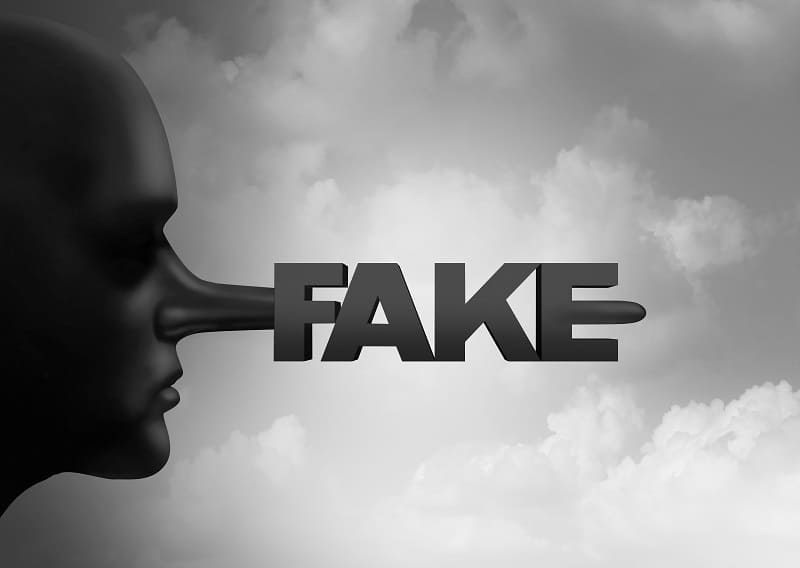
Nadejda Komendantova discusses how misinformation propagated by different communication mediums influence attitudes towards migrants in Austria and how the EU Horizon 2020 Co-Inform project is fostering critical thinking skills for a better-informed society.
© Skypixel | Dreamstime.com
Austria has been a country of immigration for decades, with the annual balance of immigration and emigration regularly showing a positive net migration rate. A significant share of the Austrian population are migrants (16%) or people with an immigrant background (23%). The migration crisis of 2015 saw Austria as the fourth largest receiver of asylum seekers in the EU, while in previous years, asylum seekers accounted for 19% of all migrants. Vienna has the highest share of migrants of all regions and cities in Austria, and over 96% of Viennese have contact with migrants in everyday life.
Scientific research shows that it is however not primarily these everyday situations that are influencing attitudes towards migrants, but rather the opinions and perceptions about them that have developed over the years. Perceptions towards migration are frequently based on a subjectively perceived collision of interests, and are socially constructed and influenced by factors such as socialization, awareness, and experience. Perceptions also define what is seen as improper behavior and are influenced by preconceived impressions of migrants. These preconceptions can be a result of information flow or of personal experience. If not addressed, these preconditions can form prejudices in the absence of further information.
The media plays an essential role in the formulation of these opinions and further research is necessary to evaluate the impact of emerging media such as social media and the internet, and their consequent impact on conflicting situations in the limited profit housing sector. Multifamily housing in particular, is getting more and more heterogeneous and the impacts of social media on perceptions of migrants are therefore strongest in this sector, where people with different backgrounds, values, needs, origins and traditions are living together and interacting on a daily basis. Perceptions of foreign characteristics are also frequently determined by general sentiments in the media, where misinformation plays a role. Misinformation has been around for a long time, but nowadays new technologies and social media facilitate its spread, thus increasing the potential for social conflicts.
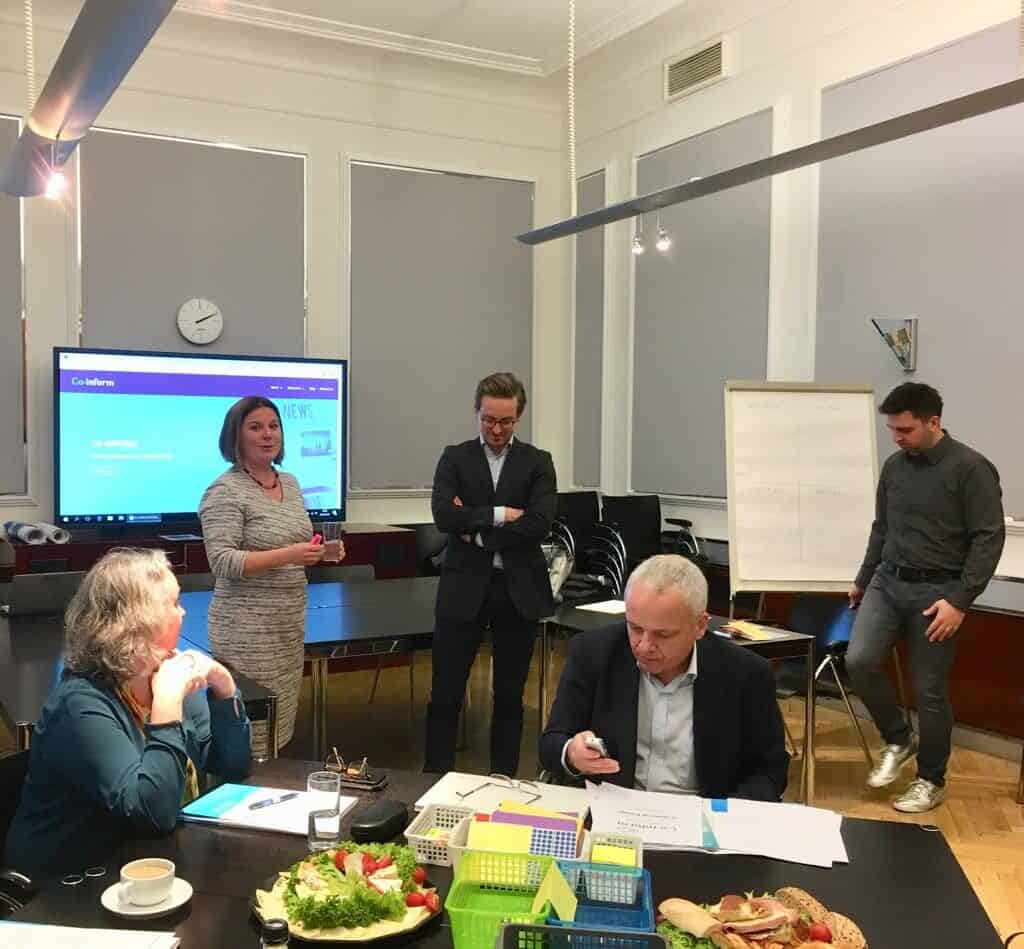
Early in 2019, the International Institute for Applied Systems Analysis (IIASA) organized a workshop at the premises of the Ministry of Economy and Digitalization of the Austrian Republic as part of the EU Horizon 2020 *Co-Inform project. The focus of the event was to discuss the impact of misinformation on perceptions of migrants in the Austrian multifamily limited profit housing sector.
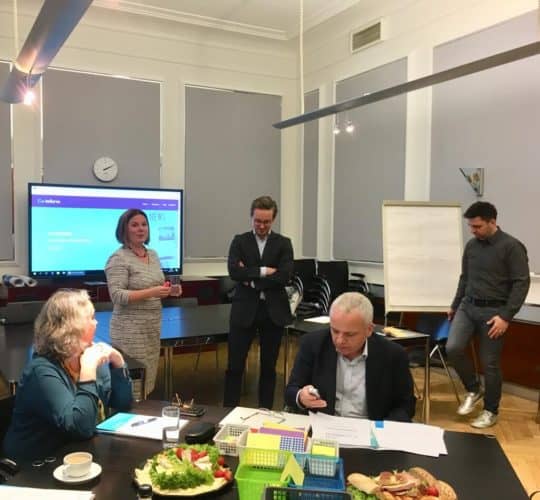
Nadejda Komendantova addressing stakeholders at the workshop.
We selected this topic for three reasons: First, this sector is a key pillar of the Austrian policy on socioeconomic development and political stability; and secondly, the sector constitutes 24% of the total housing stock and more than 30% of total new construction. In the third place, the sector caters for a high share of migrants. For example, in 2015 the leading Austrian limited profit housing company, Sozialbau, reported that the share of their residents with a migration background (foreign nationals or Austrian citizens born abroad) had reached 38%.
Several stakeholders, including housing sector policymakers, journalists, fact checkers, and citizens participated in the workshop. Among them were representatives from the Austrian Chamber of Labor, Austrian Limited Profit Housing (ALPH) companies “Neues Leben”, “Siedlungsgenossenschaft Neunkirchen”, “Heim”, “Wohnbauvereinigung für Privatangestellte”, the housing service of the municipality of Vienna, as well as the Austrian Association of Cities and Towns.
The workshop employed innovative methods to engage stakeholders in dialogue, including games based on word associations, participatory landscape mapping, as well as wish-lists for policymakers and interactive, online “fake news” games. In addition, the sessions included co-creation activities and the collection of stakeholders’ perceptions about misinformation, everyday practices to deal with misinformation, co-creation activities around challenges connected with misinformation, discussions about the needs to deal with misinformation, and possible solutions.
During discussions with workshop participants, we identified three major challenges connected with the spread of misinformation. These are the time and speed of reaction required; the type of misinformation and whether it affects someone personally or professionally; excitement about the news in terms of the low level of people’s willingness to read, as well as the difficulties around correcting information once it has been published. Many participants believed that they could control the spread of misinformation, especially if it concerns their professional area and spreads within their networking circles or among employees of their own organizations. Several participants suggested making use of statistical or other corrective measures such as artificial intelligence tools or fact checking software.
The major challenge is however to recognize misinformation and its source as quickly as possible. This requirement was perceived by many as a barrier to corrective measures, as participants mentioned that someone often has to be an expert to correct misinformation in many areas. Another challenge is that the more exciting the misinformation issue is, the faster it spreads. Making corrections might also be difficult as people might prefer emotional reach information to fact reach information, or pictures instead of text.
The expectations of policymakers, journalists, fact checkers, and citizens regarding the tools needed to deal with misinformation were different. The expectations of the policymakers were mainly connected with the creation of a reliable, trusted environment through the development and enforcement of regulations, stimulating a culture of critical thinking, and strengthening the capacities of statistical offices, in addition to making relevant statistical information available and understandable to everybody. Journalists and fact checkers’ expectations on the other hand, were mainly concerned with the development and availability of tools for the verification of information. The expectations of citizens were mainly connected with the role of decision makers, who they felt should provide them with credible sources of information on official websites and organize information campaigns among inhabitants about the challenges of misinformation and how to deal with it.
*Co-Inform is an EU Horizon 2020 project that aims to create tools for better-informed societies. The stakeholders will be co-creating these tools by participating in a series of workshops in Greece, Austria, and Sweden over the course of the next two years.
Adapted from a blog post originally published on the Co-Inform website.
Note: This article gives the views of the author, and not the position of the Nexus blog, nor of the International Institute for Applied Systems Analysis.
Oct 15, 2019 | IIASA Network, Science and Policy, South Africa
Bettina Greenwell, communications officer at IIASA, talks to Dorsamy (Gansen) Pillay, Deputy CEO: Research and Innovation Support and Advancement (RISA), National Research Foundation (NRF), and IIASA council member for South Africa, about the NRF’s statement on ethical research and scholarly publishing practices. The statement was jointly issued in August 2019 with South African partners within the National System of Innovation (NSI) in South Africa.

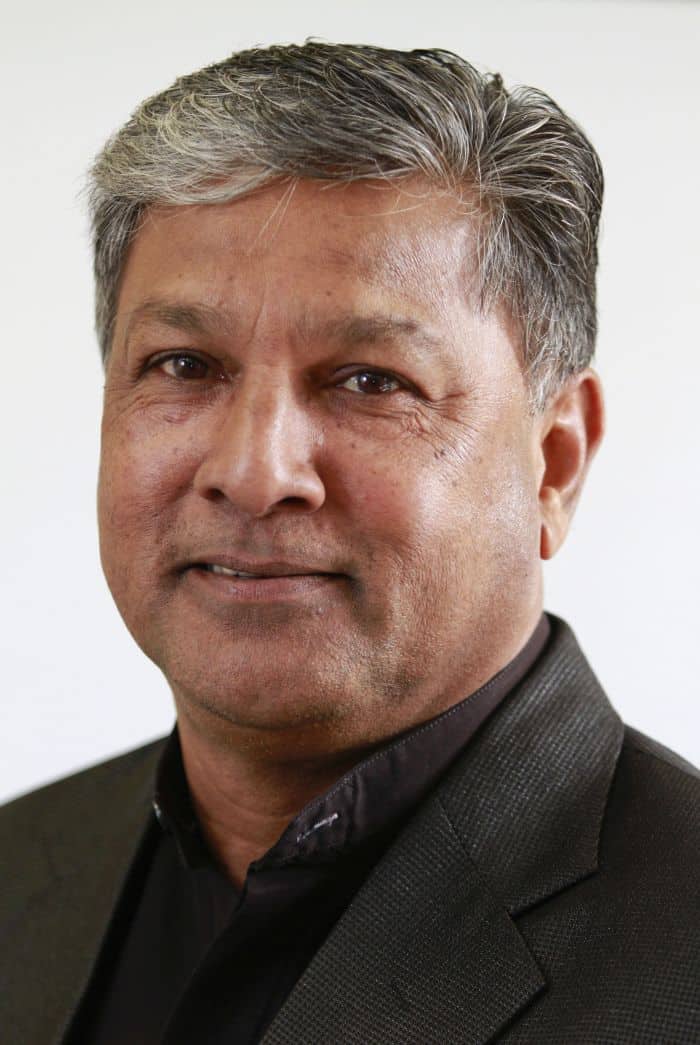
Dorsamy (Gansen) Pillay, Deputy CEO: Research and Innovation Support and Advancement (RISA), National Research Foundation (NRF), and IIASA council member for South Africa
What is ethics in research and why is it so important?
Research is a quest for truth. The research must be well conceptualized with a clear research question(s) which can lead to new knowledge. Good ethics and integrity dictate that the truth must be presented in its absolute form, and the findings need to be appropriately interpreted and should be reproducible.
South Africa was awarded the right to host the 7th World Conference on Research Integrity (WCRI) in 2021 in Cape Town – the first time it will be hosted on an African continent. Why is this statement important for the science community in South Africa?
Firstly, it is a privilege to host this conference and South Africa feels very honored. The statement on ethical research and scholarly publishing practices is an important contribution to this conference. We have noticed that South African academics and researchers, especially new and emerging researchers, are under a lot of pressure to publish their work for a variety of reasons. In some instances, ethical principles have been violated. This included the dissemination of research through predatory journals. However, this was not unique to South Africa only as other countries also faced similar challenges. The NRF as a science granting foundation felt compelled to respond to this challenge. The NRF sees itself as a custodian and guardian of research ethics and integrity. Through our peer-review processes, we ensure that research proposals for funding have been robustly interrogated, and the highest ethical principles upheld. As a consequence the NRF developed and issued a joint statement on ethical research and scholarly publications in collaboration with the Department of Science and Innovation (DSI), the Department of Higher Education and Training (DHET), the Council on Higher Education (CHE), the Academy of science of South Africa (ASSAf), Universities South African (USAf) and the NRF. In addition, the NRF has previously issued a statement on predatory publishing.
What do you think will be the key scientific challenges to face South Africa in the next few years? And how do you envision IIASA helping South Africa to tackle these?
There are several challenges, and some of the most pressing ones are poverty and inequality, population migration and unemployment. Given the systems analysis approach, we feel we can draw on IIASA’s expertise to address these challenges. IIASA has used South Africa as a laboratory for its population studies research over several years. It is now time to ensure that this research is translated into policies so that it may impact positively on society.
Housing is also a problem in South Africa. There is a lack of decent, affordable housing for people. The new IIASA strategic plan focuses on smart cities – this could play a role in addressing these housing challenges.
IIASA’s expertise is a systems analysis approach which can be applied to complex issues. The important part of the work is when scientific results are turned into policy – that’s when there is an actual, tangible societal benefit.
South Africa has been an IIASA member since 2007. What have been the highlights of the South Africa-IIASA membership until now?
We see the South Africa IIASA membership as a partnership, and many benefits have accrued through this partnership over the past decade. An example is the Southern African Young Scientists Summer Program (SA-YSSP), which was inspired by the success of the IIASA YSSP. This program ran from 2012 to 2015, and trained the next generation of young scientists.
Another example is the Southern African Systems Analysis Centre (SASAC) initiative, which focused on expanding systems analysis expertise in Southern Africa. Both initiatives were endorsed by the South African Department of Science and Innovation.
About NRF and Dorsamy (Gansen) Pillay
As an entity of the Department of Science and Technology (DST), the NRF promotes and supports research through funding, human resource development and the provision of National Research Facilities in all fields of natural and social sciences, humanities and technology. Dr Dorsamy (Gansen) Pillay is currently the Deputy Chief Executive Officer (DCEO): Research and Innovation Support and Advancement (RISA) of the National Research Foundation (NRF) of South Africa. His thirty-year career in research, teaching, management and leadership includes academic, management and leadership positions at the former University of Durban-Westville and at the Durban University of Technology. His research has focused on both prokaryotic and eukaryotic microorganisms, from human diseases to bacterial plant diseases with particular emphasis on elucidating the molecular architecture of the causal microorganisms with a view to understanding genetic diversity, extra-chromosomal elements and developing rapid disease diagnoses. He is currently Vice Chair of the IIASA Council.
Notes:
Please click on the link to read the statement on ethical research and scholarly publishing.
More information on IIASA and South Africa.
This article gives the views of the authors, and not the position of the Nexus blog, nor of the International Institute for Applied Systems Analysis.



You must be logged in to post a comment.