Apr 8, 2020 | Brazil, COVID19, Health, Women in Science
By Raquel Guimaraes, postdoc in the IIASA World Population Program
IIASA postdoc Raquel Guimaraes writes about efforts by the scientific community to encourage governments in Latin America and the Caribbean to increase COVID-19 test coverage to reduce vulnerability.
© Kukhunthod | Dreamstime.com
Together with a group of demographers from Latin America and the Caribbean (LAC), and endorsed by more than 250 individuals from the academic community, I contributed to a statement urging governments, the World Health Organization, and the Pan American Health Organization, to take immediate action to drastically increase the coverage of COVID-19 tests in the region. This call for action was disseminated by the British Society for Population Studies, Asociación Latino Americana de Población, Sociedad Mexicana de Demografía, Associação Brasileira de Estudos Populacionais, and the Population Association of America, among other important institutions.
I joined this initiative by invitation from Dr. Enrique Acosta and other colleagues, because I firmly believe that the prospects for the COVID-19 pandemic in the LAC region are rather dramatic. Several studies document that, apart from being globally recognized for its high levels of economic and social inequality, the region also suffers from institutional coordination failures and poor governance, a lack of appropriate resources, and presents a unique epidemiological and demographic profile of its population that escalates the negative prospects of the pandemic. I wanted to explore in more detail why these features of LAC are a source of major concern and require immediate action.
Social and economic inequality in LAC will hamper the enforcement of social distancing and isolation measures, which have proven to mitigate the COVID-19 epidemic in other settings. More than half of the population is in the informal labour market and does not have access to social safety nets. For those covered by the social security system, the benefits already proposed by a few governments of the region such as Brazil, fall short of the daily needs of families. In addition to economic inequality, social inequality, which leads to a high degree of cohabitation between adults and the elderly, increases the exposure of those with the highest risk of complications and death.
In addition, with the closure of schools, children who do not have access to day-care centres and the public- or private education system, often rely on the help of their grandparents, which again brings greater vulnerability to families. Not to mention that these children won’t have ensured their learning opportunities, because their parents are often working and not able to home-school them, thus compromising their education outcomes.
Moreover, LAC is facing a rapid demographic transition and aging process, which is temporarily increasing the prevalence of a young population, meaning that the population age-structure of potential infected individuals differs from that of other settings. However, unlike the more developed countries, LAC’s epidemiologic transition, that is, the transition in which the prevalence of infectious diseases is “substituted” by chronic and degenerative diseases, is not complete. Paradoxically, the region exhibits both the prevalence of diseases that have long been eradicated in more developed contexts (such as malaria, dengue, and tuberculosis) and diseases of richer countries (such as hypertension, diabetes, and neoplasms).
On top of all the above-mentioned vulnerabilities, crisis-management efforts in the region are uncoordinated, and lacking transparency and commitment. Taking Brazil as an example: while some mayors and governors adopt measures of social isolation and prevention against COVID-19, parts of the federal executive power not only disdain the problem, but encourages the population not to meet the requirements established by the Ministry of Health. Such conflicting rules are bound to cause misunderstandings among the LAC population. The COVID-19 pandemic is a crucial moment for institutional coordination to ensure the effective management of the crisis.
As an important and urgent call to action for the pandemic in the region, myself and other LAC researchers are calling for an increase in test coverage and measures of social isolation. As reported in the non-specialized media under the slogan “help to flatten the curve”, social isolation allows the rate of contagion of the virus to be reduced, in order to prevent overloading the capacity of the health system. Existing literature documents that while the virus does not cause major damage to health for the majority of infected persons, it brings a high cost to the health system. Furthermore, the impacts on the later lives of individuals who were hospitalized due to the disease are not yet known. Not to mention, of course, the human tragedy and the costs in terms of lives lost to the disease.
Finally, imperative and immediate action against COVID-19 in LAC will depend on the widespread and low-cost application of tests. This is required because the former rigorous isolation measures mentioned above are highly ineffective if not accompanied by aggressive strategies to detect cases of COVID-19. This highlights the relevance of data collection to better inform policymakers and provide researchers with clear diagnoses of the conditions in the region.
References:
Deaton A (2013). Cap. 3. Escaping death in the Tropics. In The Great Escape: Health, Wealth, and the Origins of Inequality. Princeton University Press.
Hoffman K, & Centeno MA (2003). The Lopsided Continent: Inequality in Latin America. Annual Review of Sociology, 29(1), 363–390. https://doi.org/10.1146/annurev.soc.29.010202.100141
Khemani S, Ferraz C, Finan FS, Johnson S, Louise C, Abrahams SD, Odugbemi AM, Dal Bó E, & Thapa D (2016). Making politics work for development: Harnessing transparency and citizen engagement (Policy Research Report). The World Bank. http://documents.worldbank.org/curated/en/268021467831470443/Making-politics-work-for-development-harnessing-transparency-and-citizen-engagement
Pérez CC, & Hernández AL (2007). Latin–American public financial reporting: Recent and future development. Public Administration and Development, 27(2), 139–157. https://doi.org/10.1002/pad.441
Note: This article gives the views of the author, and not the position of the Nexus blog, nor of the International Institute for Applied Systems Analysis
Apr 2, 2020 | COVID19, Data and Methods, Finland, Health, Sustainable Development, Systems Analysis
By Leena Ilmola-Sheppard, senior researcher in the IIASA Advanced Systems Analysis Program.
Leena Ilmola-Sheppard discusses the value of employing novel research methods aimed at producing fast results to inform policies that address immediate problems like the current COVID-19 pandemic.

© Alberto Mihai | Dreamstime.com
As researchers, the majority of our work – even if it is applied research – requires deep insight and plenty of reading and writing, which sometimes takes years. When we initiate a new method development project, for example, we never know if it will eventually prove to be useful in real life, except on very rare occasions when we are willing to step out of our academic comfort zones and explore if we are able to address the challenges that decision makers are faced with right now.
I would like to encourage my colleagues and our network to try and answer the call when decision makers ask for our help. It however requires courage to produce fast results with no time for peer review, to explore the limits of our knowledge and capabilities of our tools, and to run the risk of failure.
I share two examples with you in this blog. The first one describes a situation that played out years ago, while the second one is happening today.
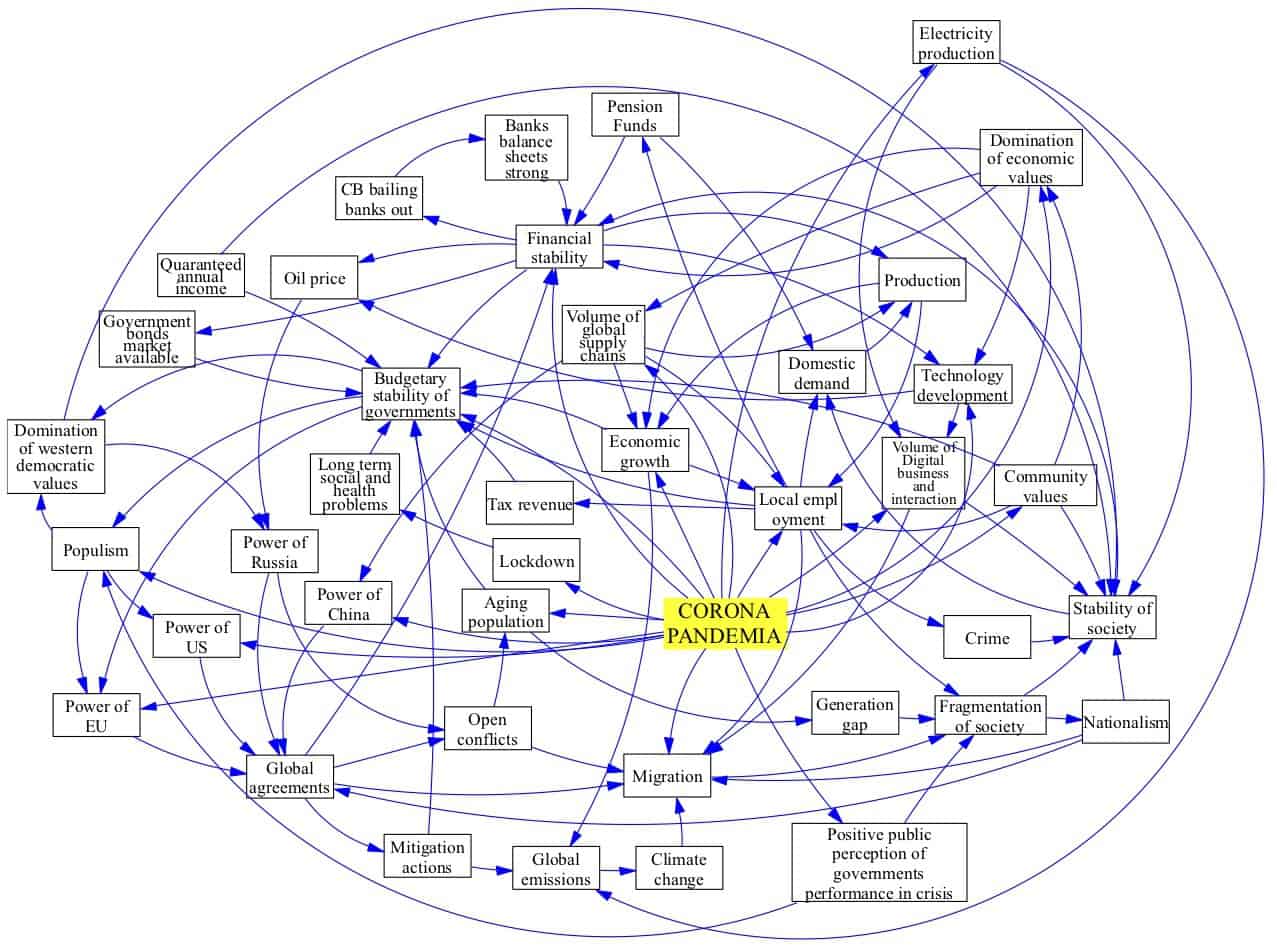
When the first signs of a potential refugee crisis became visible late in 2014, the Finnish Prime Minister’s Office contacted the IIASA Advanced Systems Analysis Program (ASA) and asked whether we could produce an analysis for them. The ASA team had an idea to develop a new method for qualitative systems analysis based on an application of causal-loop-diagrams and we decided to test the approach with an expert team of 14 people from different Finnish ministries. I have to admit that the process was not exactly the best example of rigorous science, but it was able to produce results in only eight weeks.
“Experts that participated in the process from the government side accepted that the process was a pilot and exploratory in nature. In the end, the group was however able to develop a shared language for the different aspects of the refugee situation in Finland. The method produced comprised a shared understanding of the events and their interdependencies and we were able to assess the systemic impact of different policies, including unintended consequences. That was a lot in that situation,” said Sari Löytökorpi, Secretary General and Chief Specialist of the Finnish Prime Minister’s Office when reflecting on that experience recently.
The second case I want to describe here is the current coronavirus pandemic. The COVID-19 virus reached Finland at the end of January when a Chinese tourist was diagnosed. The first fatality in Finland was recorded on 20 March. This time, the challenge we are presented with is to look beyond the pandemic. The two research questions presented to us by the Prime Minister’s Office and the Ministry of Economic Affairs are: ‘How can the resilience of the national economy be enhanced in this situation?’ and secondly ‘What will the world look like after the pandemic?’
Pekka Lindroos, Director of Foresight and Policy Planning in the Finnish Ministry of Economic Affairs is confident, “We know that the pandemic will have a huge impact on the economy. The global outcome of current national policy measures is a major unknown and traditional economic analysis is not able to cover the dynamics of the numerous dimensions of the rupture. That is why we are exploring a combination of novel qualitative analysis and foresight methods with researchers in the IIASA ASA Program.”
I have been working on the implementation of the systems perspective to the coronavirus situation with a few close colleagues around the world who are experts in resilience and risk. We were able to deliver the first report on Friday, 27 March. Among other things, it emphasized the role of social capital and society’s resilience. A more detailed report is currently in production.
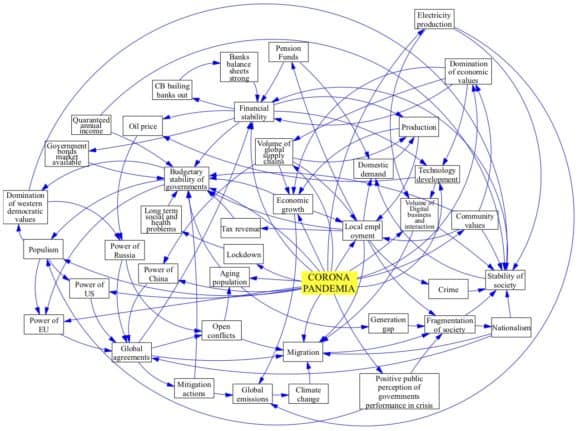
A simple systems map (causal loop diagram) representing a preliminary understanding of the world after COVID-19 from a one country perspective.
Note: This article gives the views of the author, and not the position of the Nexus blog, nor of the International Institute for Applied Systems Analysis.
Mar 10, 2020 | COVID19, Health, IIASA Network, Wellbeing, Women in Science
Raya Muttarak, Deputy Program Director, IIASA World Population Program
Raya Muttarak writes about what we have learnt about the COVID-19 outbreak so far, and how collective mitigation measures could influence the spread of the disease.
© Konstantinos A | Dreamstime.com
Since the outbreak of COVID-19 in Wuhan, China back in January, we have learnt a lot about the virus: we know how to detect the symptoms, and a vaccination is currently being developed. However, there are still many uncertainties:
We for example don’t know enough about the disease’s fatality rate – mainly because we don’t precisely know how many people are infected, which is the denominator. We also don’t know exactly how the virus spreads. Generally, it is assumed that the virus spreads from person-to-person through close contact (within about 1 meter) and through respiratory droplets produced when an infected person coughs or sneezes. It is also thought that COVID-19 can spread from contact with contaminated surfaces or objects.
In addition, knowledge about the timing of infectiousness is still uncertain. There is evidence that the transmission can happen before the onset of symptoms, although it is commonly thought that people are most contagious when they are most symptomatic. This information is crucial, because if we know the timing patterns of the transmission, we could adopt better measures around when to quarantine an infected person.
Lastly, we don’t yet know whether the spread of the disease will slow down once the weather gets warmer.
What is currently happening in Iran, Italy, Japan, and South Korea may be unique to these countries, but it is more than likely that most countries will eventually experience the spread of COVID-19. In this regard, epidemiologists have estimated that in the absence of mitigation measures, in the worst-case scenario, approximately 60% of the population would become infected. In February, Nancy Messonnier, the director of the Centers for Disease Control and Prevention’s National Centre for Immunization and Respiratory Diseases in the US, warned that “It’s not so much of a question of if this will happen anymore, but rather more of a question of exactly when this will happen.”
We learnt from an epidemiological transmission model that public efforts to curb the transmission of the disease should be directed towards flattening the epidemic curve. This is crucial, since the treatment of severe lung failure caused by COVID-19 requires ventilators to help patients breathe in intensive care units (ICUs). Not a single country in the world has the capacity to absorb the large number of people who would need intensive care at the same time. Experience from Italy shows that about 10% of all patients who test positive for COVID-19 require intensive care. Although efforts have been made to increase ICU capacity, the rapidly growing number of infected patients is overloading the healthcare system. Measures to reduce transmission in order to slow down the epidemic over the course of the year will therefore significantly mitigate the impact of COVID-19.
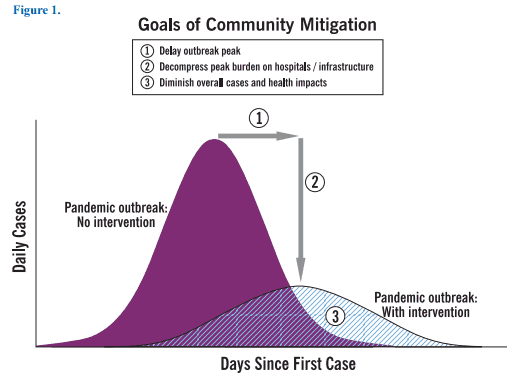
A transmission model with and without intervention.
Source: CDC. (2007). Interim Pre-pandemic Planning Guidance: Community Strategy for Pandemic Influenza Mitigation in the United States—. Centers for Disease Control and Prevention.
The figure above shows the distribution of infectious cases with and without intervention. If the outbreak peak can be delayed, this allows the health system and healthcare professionals to bring the number of persons that require hospitalization and intensive care in line with the nation’s capacity to provide medical care. To flatten the epidemic curve and lower peak morbidity and mortality, calls for both government response and individual actions.
We will have to follow the protocol of the Austrian Health Ministry, but certain practices such as social distancing, washing hands, and avoiding gathering in crowded places, can help reduce the transmission of the disease. While it is true that young and healthy people are less likely to get sick and die from COVID-19, they can still be a virus carrier and thus transmit the disease to other vulnerable subgroups of the population, such as older people and those with underlying health conditions. An article recently published in The Lancet provides helpful information to better understand the current situation and explains why fighting against COVID-19 will take collective action.
Reference:
Anderson R, Heesterbeek H, Klinkenberg D, & Hollingsworth T (2020). How will country-based mitigation measures influence the course of the COVID-19 epidemic? The Lancet 0(0) DOI: 10.1016/S0140-6736(20)30567-5
Note: This article gives the views of the author, and not the position of the Nexus blog, nor of the International Institute for Applied Systems Analysis.
Feb 28, 2020 | Air Pollution, Alumni, India, Poverty & Equity, Young Scientists
By Abhishek Kar, Postdoctoral Research Scientist at Columbia University, USA, and IIASA Young Scientists Summer Program (YSSP) alumnus.
Abhishek Kar shares his thoughts on the Indian government’s Ujjwala program, which aims to scale up household access to Liquefied Petroleum Gas (LPG) for clean cooking.
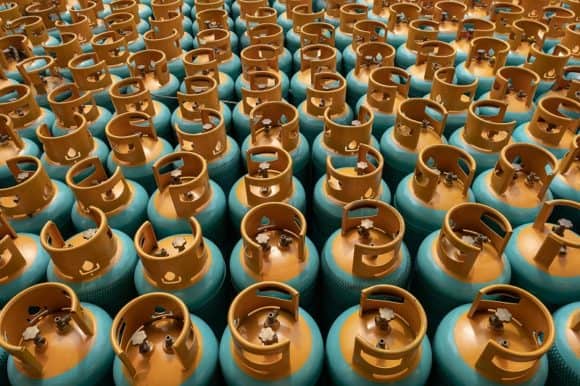
© Kaiskynet | Dreamstime.com
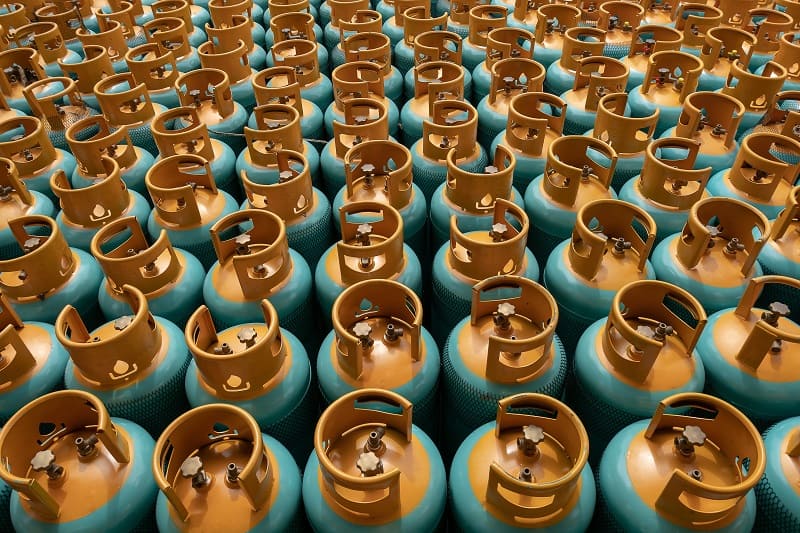
About 2.9 billion people depend on burning traditional fuels like firewood rather than modern cooking fuels like gas and electricity to cook their daily meals. The household air pollution caused when these fuels are burned, along with the resultant exposure to kitchen smoke causes several respiratory and other diseases. It is estimated that between 2 and 3.6 million people die every year due to lack of access to clean cooking fuels. It also has severe environmental effects like forest degradation and contributes to climate change. To address these challenges, the Indian Government launched a massive program called Pradhan Mantri Ujjwala Yojana (PMUY, or Ujjwala) to scale up household access to Liquefied Petroleum Gas (LPG) in May 2016.
My IIASA Young Scientists Summer Program (YSSP) project under Shonali Pachauri’s supervision was about analyzing consumption patterns of LPG in rural India. We looked at whether there was any differences in consumption patterns between the Ujjwala beneficiaries and general consumers. The analysis formed part of my PhD research and was eventually published as the cover story for the September 2019 issue of the journal, Nature Energy. The journal also invited us to write a policy brief, which was published in January 2020. The study’s findings received widespread media attention, especially in India. When I talk to journalists, they often ask whether the Ujjwala program is a success or a failure. I would like to use this opportunity to clear common misconceptions and share my thoughts.
The Ujjwala program’s original mandate was to tackle the challenge of “lack of access to clean fuel” and to make LPG affordable for poor women. The program provided capital subsidies to this end. Unfortunately, the policy document neither discussed usage of LPG as an exclusive or primary cooking fuel, nor did it provide any incentive for regular use (barring the universal LPG cylinder subsidy that is provided to everyone). The program was ambitious in terms of both scale and timeline, and fulfilled its original aim of providing LPG connections for millions of poor women.
Current debates around the program’s failure to result in smokeless kitchens are happening only because Ujjwala succeeded in fulfilling its original mandate of ensuring physical access. In my opinion, it is truly a remarkable achievement to have reached out to 80 million poor women within 40 months. The process not only involved massive awareness generation and community mobilization, but also ramping up the supply chain to meet increased demand. While I have a lot to say about how Ujjwala can be improved, I think it would be unfair to call it a failure. Access is the first step towards transition to clean fuels, and at least in this respect, it was an extraordinary success, making it a model of energy access for developing countries.
Our research shows that Ujjwala was able to attract new consumers rapidly, but those consumers did not start using LPG on a regular basis. Based on the literature and my own experience, there are five reasons why regular LPG use is a challenge for Ujjwala consumers, and the scheme did not have any specific provisions to effectively address them.
First, rural communities generally have easy access to free firewood, crop residues, cattle dung, etc. So why would they start paying for commercial fuel, when free fuel is readily available for cooking?
Secondly, Ujjwala (bravely) targeted poor women, who generally have limited disposable cash and seasonal, agriculture linked fluctuations in income. If there is no additional income, what costs would a poor family on an already tight budget have to cut to afford such a regular additional expense? While the program has made a 5 kg cylinder option available in response to this issue, the impact on LPG sales is still unknown.
Thirdly, home delivery of LPG cylinders is a challenge in most rural areas, as the cost of delivery for LPG distributors often outweighs the commission they receive. If there is no delivery option, poor rural families who often don’t have access to transport would need to arrange for a cylinder to be picked up from a far-off retail outlet. Oil Marketing Companies have vigorously been pushing for home delivery, but unless there are explicit incentives for this, the situation is unlikely to improve.
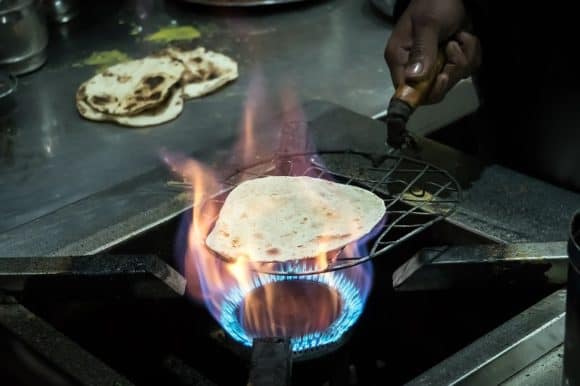
© Dmitrii Melnikov | Dreamstime.com
In the fourth place, gender dynamics make the situation even more complicated. Men are often financial decision makers who have to make budget cuts, while women are the primary beneficiaries of LPG in terms of a quick and smokeless cooking experience, with the side benefit of avoiding the drudgery of fuelwood collection. The laudable effort of the LPG panchayat platform, where women share their success stories and strategies to overcome opposition within their homes, is a step in the right direction, but it is unlikely that this will be sufficient to tackle a deep-rooted societal problem.
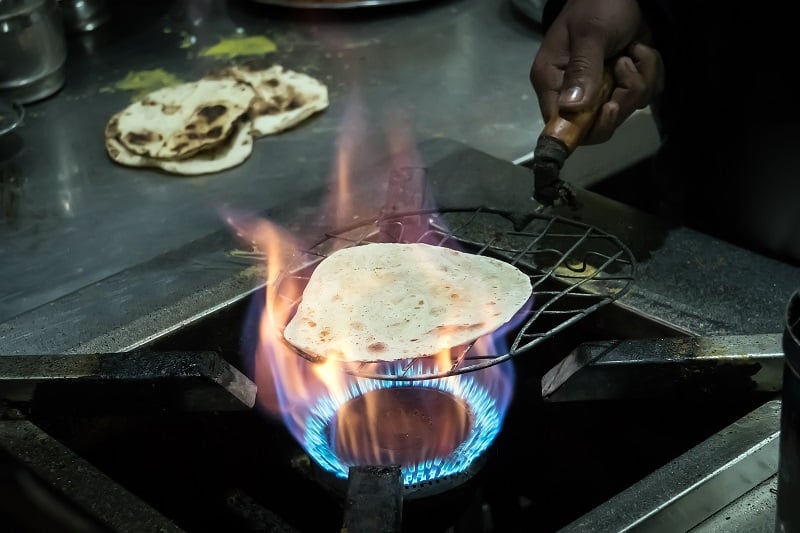
Lastly, and perhaps most importantly, people will have to stop using mud stoves and start using LPG stoves, which may involve real (or, perceived) changes in the taste, texture, look, and size of food items. As a student of habit change literature, I am surprised that anyone expected that such a switch would not be accompanied by behavior change interventions.
Ultimately, the Ujjwala scheme provided incentives to reduce the burden of the capital cost of LPG connections, and poor female consumers responded to it positively. This is a successful first step towards clean cooking energy transition. However, there were no scheme incentives to promote use, except general LPG subsidies, which is available to all, including the urban middle class. Consumers simply decided that the transition to LPG through regular purchase of LPG refills was not worth it, and did not take the next step. I would however not call this a failure of Ujjwala, as that was never the original program objective.
We have to acknowledge that Ujjwala’s phenomenal success in providing access to clean fuel has put the spotlight on its ineffectiveness to ensure sustained regular use. If you ask me, this is a classic case of the glass half-full or half-empty scenario. Or, as my PhD supervisor at the University of British Columbia, Hisham Zerrifi, puts it: “It depends!”
References:
[1] Kar A, Pachauri S, Bailis R, & Zerriffi H (2019). Using sales data to assess cooking gas adoption and the impact of India’s Ujjwala program in rural Karnataka. Nature Energy DOI: 10.1038/s41560-019-0429-8 [pure.iiasa.ac.at/15994]
Note: This article gives the views of the author, and not the position of the Nexus blog, nor of the International Institute for Applied Systems Analysis.
Feb 14, 2020 | China, Environment, Food & Water, Water, Women in Science
By Maryna Strokal, Department of Environmental Sciences, Water Systems and Global Change, Wageningen University and Research, The Netherlands
Maryna Strokal discusses a new integrated approach to finding cost-effective solutions for nutrient pollution and coastal eutrophication developed with IIASA colleagues.

© Huy Thoai | Dreamstime.com
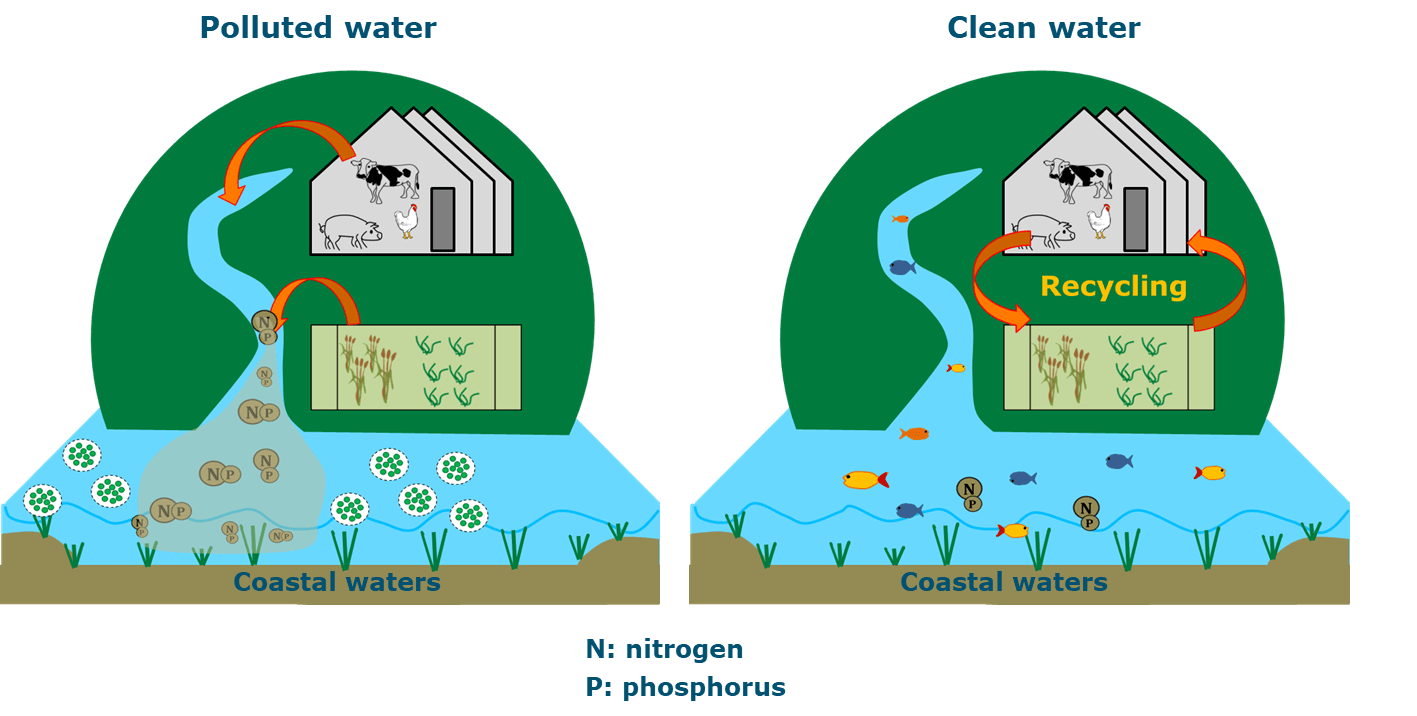
Have you ever wondered why the water in some rivers appear to be green? The green tinge you see is due to eutrophication, which means that too many nutrients – specifically nitrogen and phosphorus – are present in the water. This happens because rivers receive these nutrients from various land-based activities like run-off from agricultural fields and sewage effluents from cities. Rivers in turn export many of these nutrients to coastal waters, where it serves as food for algae. Too many nutrients, however, cause the algae and their blooms to grow more than normal. Because algae consumes a lot of oxygen, this lowers the available oxygen supply in the water, killing off fish and other marine life. Some algae can also be toxic to people when they eat seafood that have been exposed to, or fed on it. Polluted river water on the other hand, is unfit for direct use as drinking water, or for cooking, showering, or any of our other daily needs. Before we can use this water, it needs to be treated, which of course costs money.
To better understand and address these issues, I worked with colleagues from IIASA, Wageningen University, and China to develop an integrated approach to identify cost-effective solutions (read cheapest) to reduce river pollution and thus coastal eutrophication. Our integrated approach takes into account human activities on land, land use, the economy, the climate, and hydrology. We implemented the new approach for the Yangtze Basin in China.
The Yangtze is the third longest river in the world and exports nutrients from ten sub-basins to the East China Sea, where the coast often experiences severe eutrophication problems that may increase in the coming years. The Chinese government has called for effective actions to ensure clean water for both people and nature.
In our paper on this work, which was recently published in the journal Resources, Conservation, and Recycling, my colleagues and I conclude that reducing more than 80% of nutrient pollution in the Yangtze will cost US$ 1–3 billion in 2050. This cost might seem high, but it is actually far below 10% of the income level in the Yangtze basin. We also identified an opportunity in the negative or zero cost range, which would result in a below 80% reduction in nutrient export by the Yangtze. This negative or zero cost alternative involves options to recycle manure on land and reduce the use of chemical fertilizers (Figure 1). More recycling means that farmers will buy less chemical fertilizers and potential savings can then compensate for the expenses related to recycling the manure. We also illustrated the costs that would be involved for ten sub-basins to reduce their nutrient export to coastal waters.
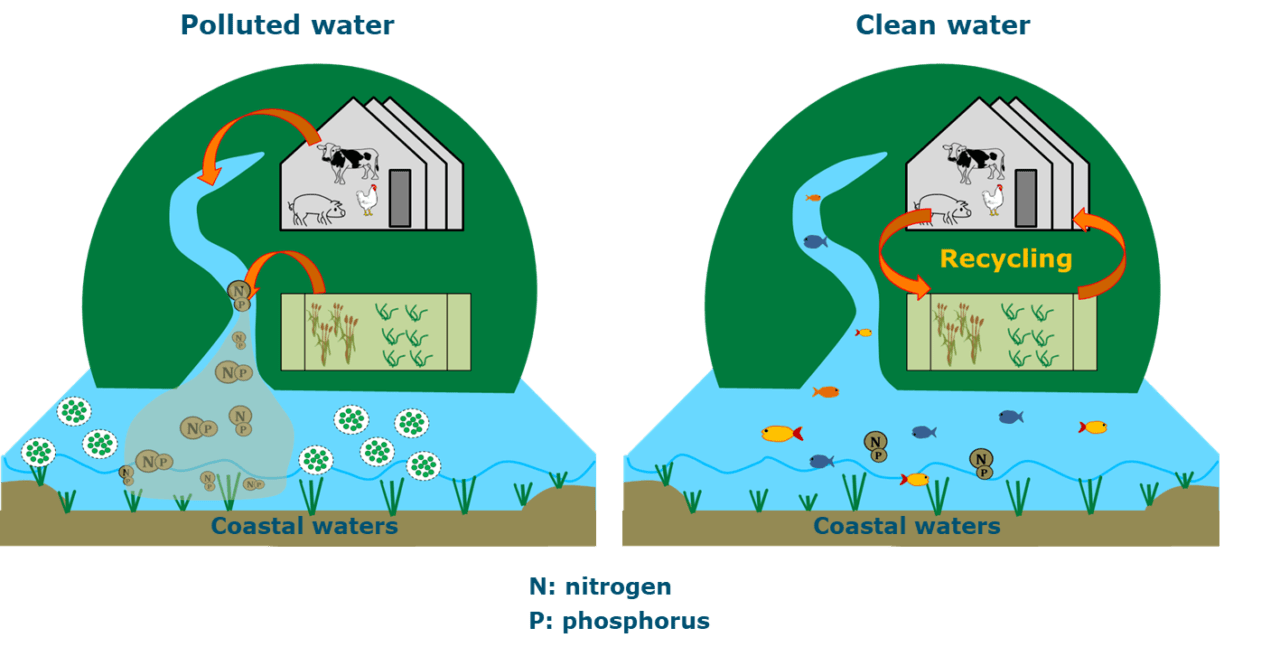
Figure 1. Summarized illustration of eutrophication causes and cost-effective solutions for reducing nutrient export by Yangtze and thus coastal eutrophication in the East China Sea in 2050.
Recycling manure on cropland is an important and cost-effective solution for agriculture in the sub-basins of the Yangtze River (Figure 1). Manure is rich in the nutrients that crops need, and opting for this alternative instead of chemical fertilizers avoids loss of nutrients to rivers, and thus ultimately to coastal waters. Current practices are however still far from ideal, with manure – and especially liquid manure – often being discharged into water because crop and livestock farms are far away from each other, which makes it practically and economically difficult to transport manure to where it is needed. Another reason is the historical practice of farmers using chemical fertilizers on their crops – it is simply how they are used to doing things. Unfortunately, the amounts of fertilizers that farmers apply are often far above what crops actually need, thus leading to river pollution.
The Chinese government are investing in combining crop and livestock production, in other words, they are creating an agricultural sector where crops are used to feed animals and manure from the animals is in turn used to fertilize crops. Chinese scientists are working with farmers to implement these solutions.
In our paper, we showed that these solutions are not only sustainable, but also cost-effective in terms of avoiding coastal eutrophication. We invite you to read our paper for more details.
References
Strokal M, Kahil T, Wada Y, Albiac J, Bai Z, Ermolieva T, Langan S, Ma L, et al. (2020). Cost-effective management of coastal eutrophication: A case study for the Yangtze River basin. Resources, Conservation and Recycling 154: e104635. https://doi.org/10.1016/j.resconrec.2019.104635.
Note: This article gives the views of the author, and not the position of the Nexus blog, nor of the International Institute for Applied Systems Analysis.


You must be logged in to post a comment.