Nov 22, 2016 | Climate Change, Energy & Climate
Shinichiro Fujimori, guest researcher in the IIASA Energy Program, discusses the implications of a recent paper with IIASA Science writer and Editor Daisy Brickhill.
The climate mitigation costs of the Paris Agreement are fairly distributed between countries, but they are not fair for future generations, a new IIASA study has found. This suggests that the relative differences between countries’ climate commitments can be kept the same, but to ensure equity for our descendants they must all be raised .
The Paris Agreement allows each country to set its own climate commitments (known as the Intended Nationally Determined Contributions, or INDCs), and while this autonomy encourages more states to enter into the agreement, it may result in some countries freeloading by not making their fair share of cuts. There is also a trade-off between the mitigation investments we make now, and how much we leave for our descendants to deal with. The study by Fujimori and colleagues examines the issue of equity from different angles.
How did you measure the equity of the climate commitments?
We designed four scenarios: there was the baseline, which has no climate policy, and therefore no emission constraints at all. Then there was a scenario with a carbon price that is the same all over the world, set high enough to put us on course to meet targets to keep warming well below 2°C by 2100. The third scenario allowed different countries to have different carbon prices, meaning that they followed their current INDCs until 2030, but at that point a global carbon price was again put in place to ensure that we reach 2°C targets by the end of the century. Finally, we created a scenario where all emissions reduction targets were 20% higher than the INDCs until 2030. Again, after that a global carbon price was set. For all of the scenarios we also varied what is known in economics as the “discount rate.”
What is a discount rate?
People tend to devalue the future. So, for example, given the choice of €100 now or €150 in five years, many people would choose the €100 now. This is known as a time preference. You can add to this an “inequality aversion.” This is the amount that a wealthy person is willing to reduce their consumption by in order to increase the amount a poor person can consume. Together they make the discount rate.
We used different values of discount rate to see what might happen if people cared a lot about future generations, or poorer countries, or if they did not.
And, are the INDCs fair?
We found that delaying emissions reductions will push the costs onto future generations. In all our scenarios, regardless of the discount rate, there was inequality between the generations. The best scenario for equity between current and future generations was the second scenario with high, globally uniform carbon taxes that start immediately.

© Robwilson39 | Dreamstime
The inequity between generations was not unexpected, but what was surprising was that under the Paris Agreement the equity between countries was good. The third scenario, which followed the INDCs until 2030, has much better equality between the regions until the global carbon price began in 2030. This is because low-income countries tended to set lower carbon prices, and more developed countries had higher carbon prices.
That means that the last scenario is the ideal. We can keep the relative differences between the INDCs the same but raise them all so that we can meet the targets. That would give us both inter-regional equity and inter-generation equity.
What about the costs of the impacts of climate change? The Paris Agreement mentioned the need for a mechanism to support the victims of climate-related loss and damage. Might that not create a completely different picture of equity?
That is not something we covered in the study, but it is very important. We need many more studies in that area. We need flood teams, agricultural teams, and others, all collaborating across disciplines. Very much how IIASA works, in fact. Fortunately, the model we constructed for this study can incorporate all of these aspects, as they become available, and translate them into a comprehensive economic assessment.
Liu JY, Fujimori S, & Masui T (2016). Temporal and spatial distribution of global mitigation cost: INDCs and equity Environmental Research Letters, 11 (11): 114004.
This article gives the views of the interviewee, and not the position of the Nexus blog, nor of the International Institute for Applied Systems Analysis.
Oct 25, 2016 | Science and Art
By Chantal Bilodeau, playwright
This could have been the title of my application to the first Citizen Artist Incubator (CAI) hosted at IIASA September 4-30, 2016. I am a Canadian playwright and research artist based outside of New York City, whose work deeply engages with climate change. For me, IIASA was the ultimate dating pool.
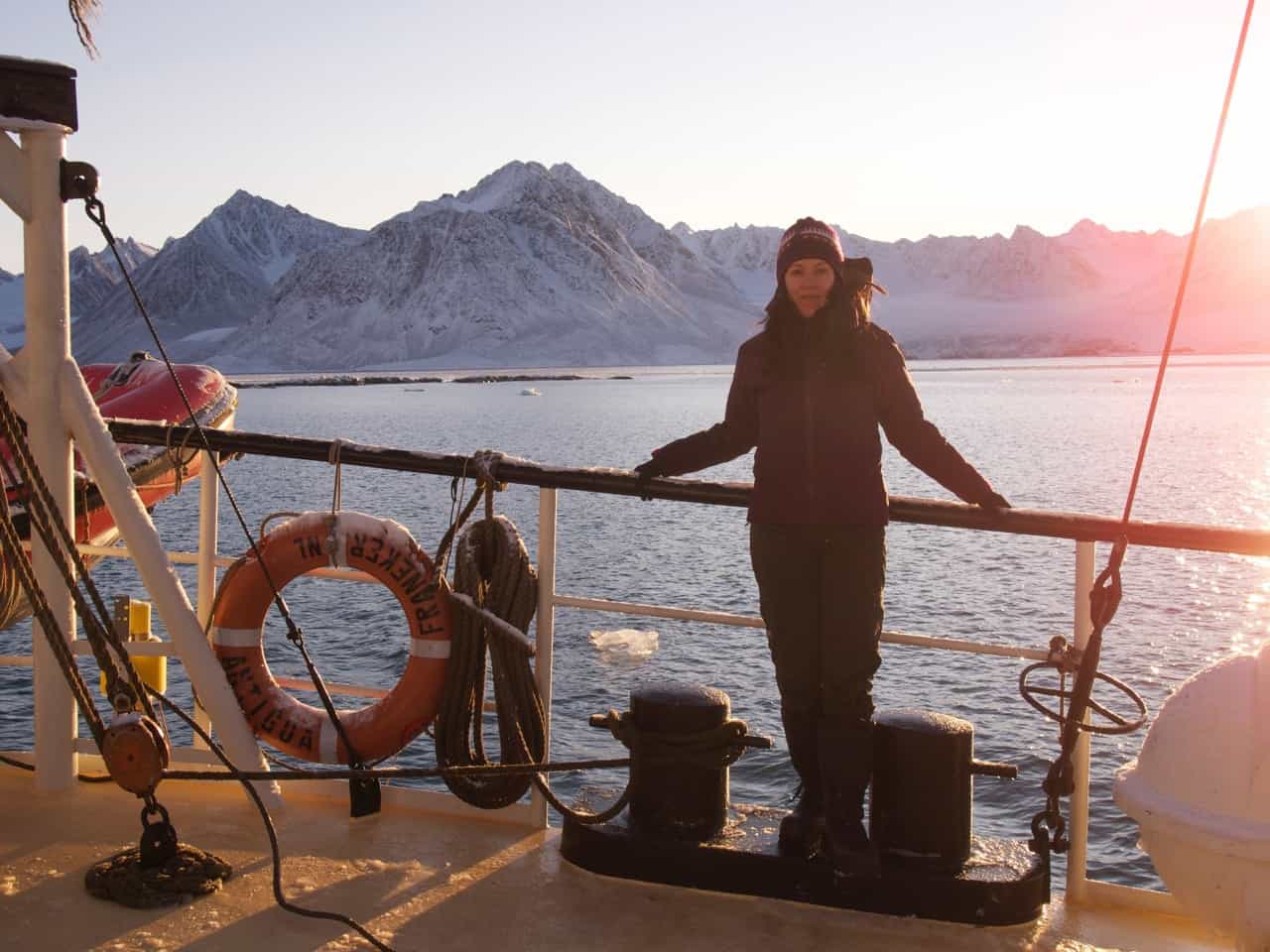
Playrwright Chantal Bilodeau is working on a series of plays about the impact of climate change on the eight countries of the Arctic. Photo courtesy Chantal Bilodeau
My belief in art/science romance was further reinforced when IIASA Director General and CEO Professor Dr. Pavel Kabat told us – thirteen artists from Europe, the Middle-East, Africa and America – during one of our sessions, “You have a big responsibility, my friends.” He was referring to the need for artists to engage with pressing global issues, and help change negative narratives into positive narratives of opportunity and social innovation. Big responsibility, indeed. And all the more reason for artists and scientists to become bedfellows.
I came to IIASA to do research for a play about human and animal migration, set in Alaska. The play is part of a long-term project titled The Arctic Cycle. A series of eight plays that look at the social and environmental changes taking place in the eight countries of the Arctic, The Arctic Cycle seeks to 1) bring attention to the changes happening in the Arctic and the impact those changes are having on local communities; 2) encourage international and multidisciplinary collaboration across Arctic countries, and; 3) translate scientific data into personal stories.
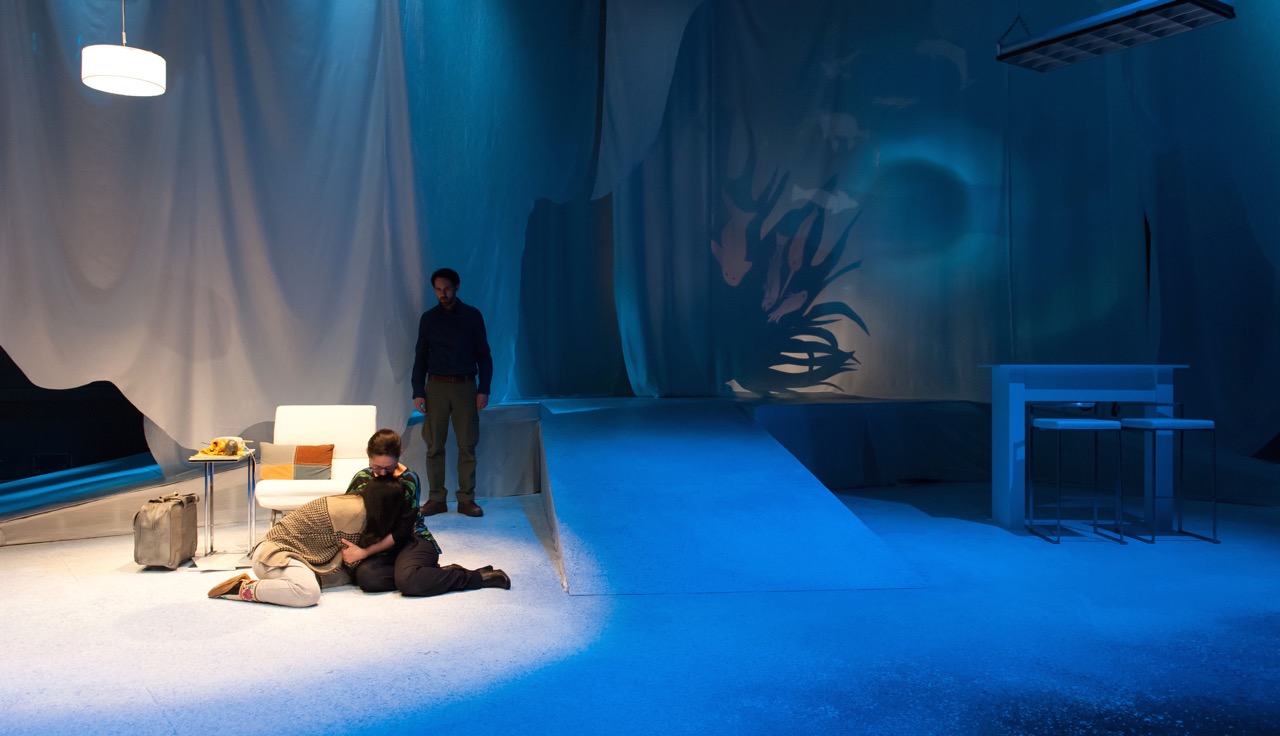
Sila was the first of the eight plays in the Arctic Cycle. it focuses on Canada. Credit: A.R. Sinclair Photography
I wanted to talk to scientists to get information for my play, but also to explore what might be possible. How can we join forces? How can my talent and skills and sphere of influence be combined with yours to create greater impact? I reached out to people in the Arctic Futures Initiative, the World Population program, and the Evolution and Ecology program. In addition to pointed questions about migration I asked questions like: “If there was one thing you would like people to understand about your field that I could communicate through my work, what would it be?” “Are there situations where having an artist’s perspective in addition to a scientist’s perspective would be useful?”
Everyone was extremely generous with their time and graciously answered my questions. I was pleased to find out there is genuine interest in investigating where art and science might intersect. The most obvious intersection, of course, is in “translating” scientific information into works of art that are then presented in traditional venues. But what about other intersections? Could artists facilitate conversations between scientists and stakeholders? Could a play (as I experienced once before) set the tone for an entire conference? What would be the value of having an artist embedded into a scientific program? Or a field trip?
Thanks to Gloria Benedikt, Merlijn Twaalfhoven, and their partners who invited me to participate in CAI, I came away from IIASA with concrete and up-to-date information for my play, and ideas for activities and programs that could bring art and science closer together around issues of climate change. I also left with a few email addresses and phone numbers. I am hoping this may be the beginning of a courtship that will lead to long and meaningful relationships.
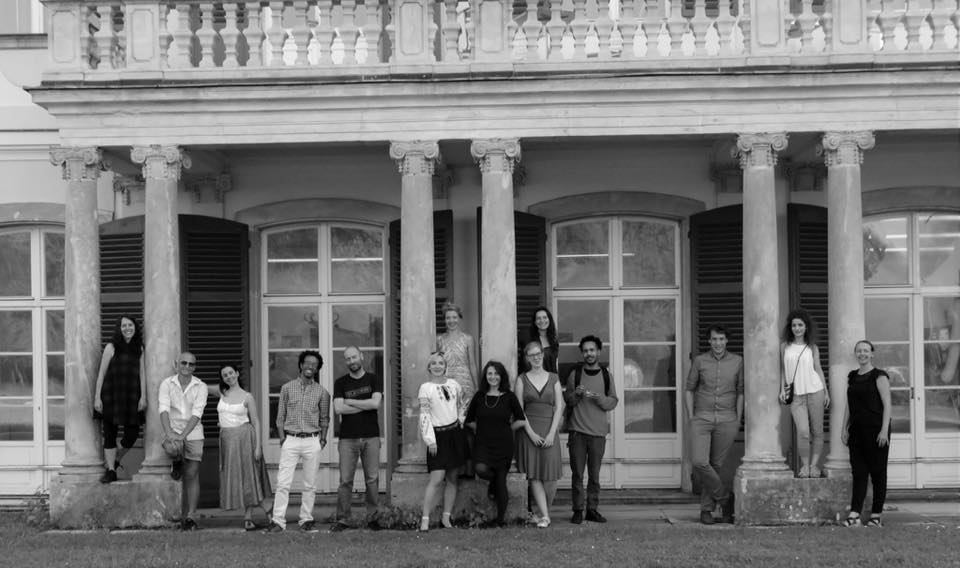
Participants in the Citizen Artist Incubator 2016 ©Patrick Zadrobilek
This article gives the views of the author, and not the position of the Nexus blog, nor of the International Institute for Applied Systems Analysis.
Oct 18, 2016 | Demography
By Dimiter Philipov, IIASA World Population Program
Since the middle of the 19th century researchers have known that married men and women live longer than the unmarried: it is an inference as stable as a natural law. My colleague at IIASA, Sergey Scherbov and I supported its validity with a study in the 21st century, extending the pattern to encompass cohabiting. We also showed that people who have a partner are healthier than those without.
Across 16 European countries, partnered women aged 50 will outlive single women by 1.4 years on average before reaching age 80. For the men this difference is considerably larger: 4 years. Partnered people also have more years with healthy life (i.e., without disabilities) when compared to the singles: for women this gain is 5 years and for the men it is nearly 8 years. In general, partnership is more beneficial for the men.

© Pretoperola | Dreamstime
What makes living with a partner so important for a longer life and better health? An important advantage of living with a partner is that the partner can provide emotional, economic, social, and physical support in everyday life and in case of illness. This advantage is known as the protective effect of marriage. Over a period of 160 years causes of death have changed and the conditions of life and health have changed, yet the protective effect of marriage remains. In contemporary living arrangements cohabitation frequently replaces marriage but it has the same protective effect.
We expected single people to lack the protective effect of marriage, in other words, singles are expected to have poorer health. In addition, each one of the single sub-groups (i.e., never married, widowed, and divorced/separated) is subject to different reasons for poorer health than partnered people. For example, the never-married might have a disability that prevents them from finding a partner; widowed people are likely to lead the lifestyle of their late partner (diet, exercise, smoking, economic conditions, etc.) and are therefore more likely to suffer from the same disease that ended their partner’s life; divorces can be due to increased disability in either one of the partners.
We carried out international comparisons among the 16 European countries and found substantial diversity between countries in Western and in Eastern Europe. Populations in Eastern Europe have shorter lives, shorter healthy lives, and a longer time spent with disabilities compared to those in Western Europe. These differences are greater for single people than for partnered people; for example single men in Slovakia live only 7.4 years free of disabilities in the interval from 50 to 80 years, while in Sweden they enjoy nearly 20 years of healthy life.
The Nordic countries are leading with respect to length of healthy life and small differences between partnered and single people. The protective effect of marriage or cohabitation seems to be small in these countries. We believe this is due to the strong social policies that prevail in these countries.
What can we expect for the future? Statistical data indicate that the proportion of single people above age 50 and especially of single men increases with time. Hence the proportion of those who experience disabilities and ill-health will rise unless policies are put in place to help relieve these adverse effects.
Reference: Philipov D & Scherbov S (2016). Differences by union status in health and mortality at older ages: Results for 16 European countries. Demographic Research, 35: 535-556.
This article gives the views of the author, and not the position of the Nexus blog, nor of the International Institute for Applied Systems Analysis.
Oct 13, 2016 | Demography
By Anne Goujon, IIASA World Population Program
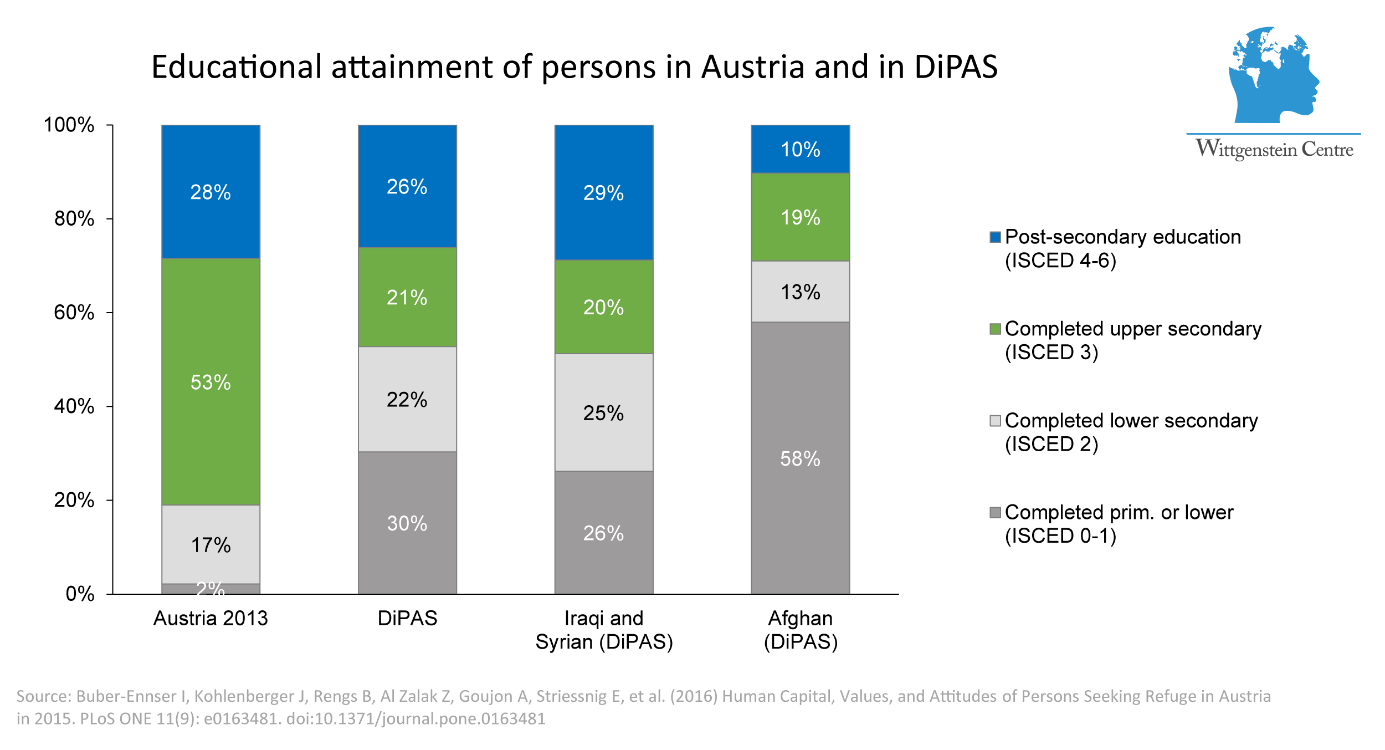
According to the Displaced Persons in Austria Survey (DIPAS) conducted by a team at the Vienna Institute of Demography and at IIASA, the large number of asylum seekers who came to Austria in the fall of 2015 appeared to possess levels of education that are higher than the average level in their country of origins. Moreover, the share of displaced persons from Syria and Iraq with a higher education is close to that of the Austrian population – around 30%.
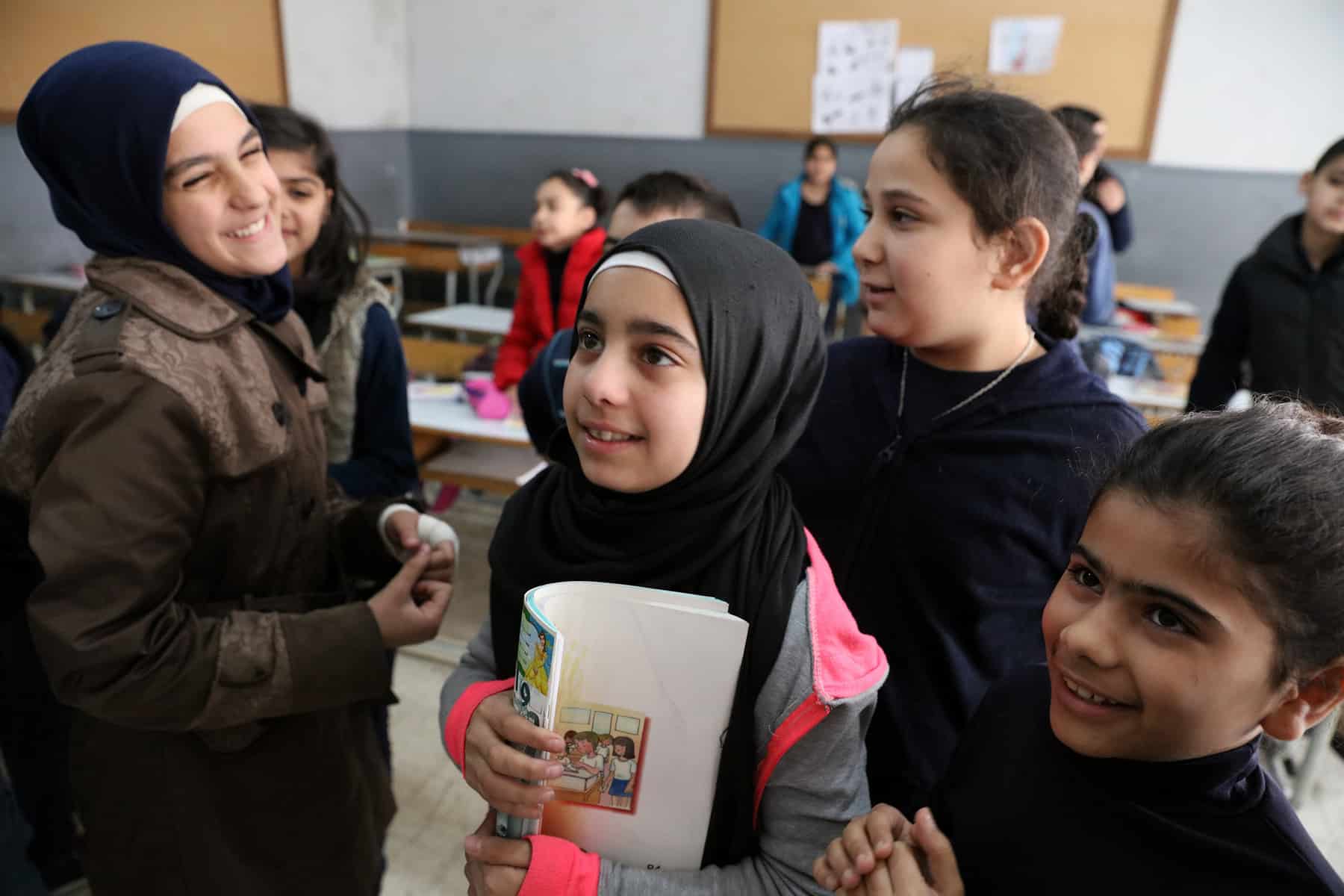
Students at school in Beirut, Lebanon. Two-thirds of the students at the school are Lebanese and one-third of the students are Syrian. Photo © Dominic Chavez | World Bank
This seemed surprising to many, judging from the number of critical and even aggressive comments that were posted online after the results of this study appeared in PLoS ONE in September and were covered by the press, mostly in Austria. Some of these comments even suggested that people were lying, and/or that the scientists were “do-gooders” covering up the truth.
However, there are several logical reasons for these findings, none of them having anything to do with deceit. The main reason why we know the study participants were not lying is that they had no incentive to lie. They were informed about the purpose of the survey and the fact that there was nothing at stake for them besides contributing to knowledge on the refugee population. Second, their levels of education matched very well with other information they gave, for instance their previous employment, so that if lying, they were uncannily consistent. Moreover, they were rarely alone when taking the questionnaire and it is difficult for a father or mother to lie for instance in front of their children. So we tend to believe the 514 displaced persons that answered the questionnaire. But these are not our only reasons:
Not everyone can afford the adventurous trip to Austria. We asked in the survey how much their journey to Austria–mostly through Turkey–cost, and 75% reported more than 2.000 US$ per person, and 30% more than $4.000. Such a sum is not easy to come by in countries where the average salary is low. The group of asylum seekers that fled to Austria was a selected group with a higher income, and consequently more likely to have had better access to education than those who could not afford to move further and were displaced within Syria or in the neighboring countries (Turkey, Lebanon, Jordan).
Furthermore, this is a young population. Most of them are below the age of 45 years, in fact, the mean age of the respondents was 31 years. Therefore they most likely benefited from the improvements in education that were prevalent in recent times before the war started.
What we cannot say is whether the level of education in their home countries is or was equivalent to the level of education in Austria. For example, we cannot say if an engineer in informatics from the Damascus University has the same knowledge and skills as an engineer trained at the Technical University in Vienna. However, studies implemented by the Public Employment Service in Austria show that refugees’ levels of competence and skills are largely in line with their levels of education and/or occupation. Furthermore, people who successfully pursued a higher education are more likely to be willing and interested to learn new things, such as learning a new language, developing additional skills, or retraining for other professions.
Therefore, the displaced persons that came to Austria at the end of 2015 have a high potential for contributing to the economy that should not be ignored.
Reference
Buber-Ennser, I., Kohlenberger, J., Rengs, B., Al Zalak, Z., Goujon, A., Striessnig, E., Potančoková, M., Gisser, R., Testa, M.R., Lutz, W. (2016) Human Capital, Values, and Attitudes of Persons Seeking Refuge in Austria in 2015. PLoS ONE 11(9): e0163481. doi:10.1371/journal.pone.0163481
This article gives the views of the author, and not the position of the Nexus blog, nor of the International Institute for Applied Systems Analysis.
Oct 10, 2016 | Alumni, Demography, Young Scientists
by Julia M. Puaschunder, alumna of the IIASA Young Scientist Summer Program 2016.
The world is on the move. Currently, more than 250 million people live outside their countries of birth. Of the moving masses, an estimated 6% are refugees fleeing across borders to more favorable environments. The ongoing European refugee crisis has increased the pressure to reap the benefits from migration while alleviating the burdens of societal movement.
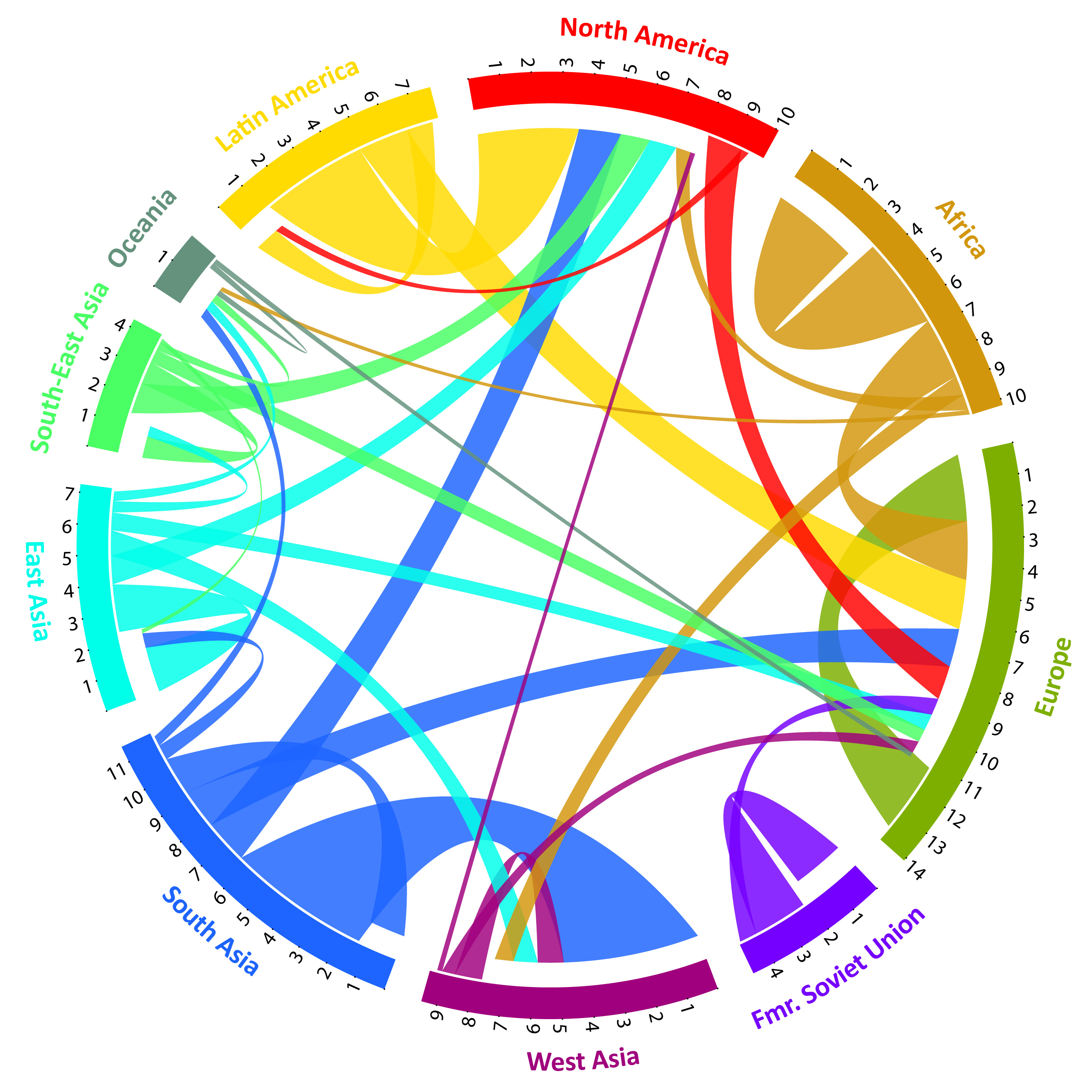
Estimates of directional flows between 123 countries between 2005-2010. Only flows containing at least 50,000 migrants are shown. “The Global Flow of People” (www.global-migration.info) is by Nikola Sander, Guy Abel & Ramon Bauer, and published in Science as “Quantifying global international migration flows” in 2014 (vol. 343: 1520-152).
Concerns were recently raised as to whether granting asylum to refugees—who often make up the most productive parts of their original populations—prevents (re)development in their fractionated home countries? An important consideration absent in these debates are the monetary gifts migrants send to their family members back home.
The World Bank estimates that migrants currently return around 450 billion US Dollars per year to the developing countries they came from, and this number is expected to rise. These monetary remittances have multiple positive impacts, including economic growth. As refugees are primarily younger to middle-aged, their remittances likely pay for their wives and children’s access to medical care and education, or support their parents when pension systems are missing.
Intergenerational monetary transfers are therefore the focus of my recent publication Gifts Without Borders. Contrary to conventional institutionalized sustainable development, remittances grounded in intergenerational care benefit from communication within families. Long-lasting family ties allow direct feedback. People truly care about their loved ones back home and families share their day-to-day experiences honestly. Intergenerational remittances beyond borders are thus a purer and potentially longer-enduring pathway to sustainable development, as these stable funding streams’ impact is more accountable than standard international aid.
Based on World Bank and OECD data covering almost all countries of the world, my forthcoming publication in the book ‘Intergenerational Responsibility in the 21st Century’ highlights that the intergenerational glue of a migrating population helps countries lacking socially responsible and future-oriented public sectors. Rather than blaming asylum-granting countries for removing the labor force from fragile territories, hosting refugees is portrayed as making use of human capital in stable economies, while refugees—at the same time—develop their former homelands by direct monetary contributions in a natural, transparent, and accountable way. In the age of migration, analyzing intergenerational networks and their financial flows is an important, but unexplored, facet of sustainable development. My findings open prospective research avenues on how we can align the economic outcomes of human capital mobility with sustainable development.
The IIASA Young Scientists Summer Program granted a vibrant setting to discuss my findings in a group of international, diverse, and multi-disciplinary future academic leaders during this summer, which was filled with beautiful moments in the historic Schloss Laxenburg in Austria. Recently IIASA also launched a Joint Research Centre of Expertise with the European Commission on Population and Migration, which aims to predict how migration will impact future economies and societies. In addition, the Advanced Systems Analysis (ASA) Program hosts the ‘Economic migration, capital flows, and welfare’ collaboration between ASA and the World Population Program to model dynamics of economic migration and investment. This research is also directly related to my New School Economic Review paper ‘Putty Capital and Clay Labor: Differing European Union Capital and Labor Freedom Speeds in Times of European Migration,’ which elucidates trade differences in capital and labor flows gravitating the benefits and burdens of globalization unequally and the potential problems arising for the European project from migration.
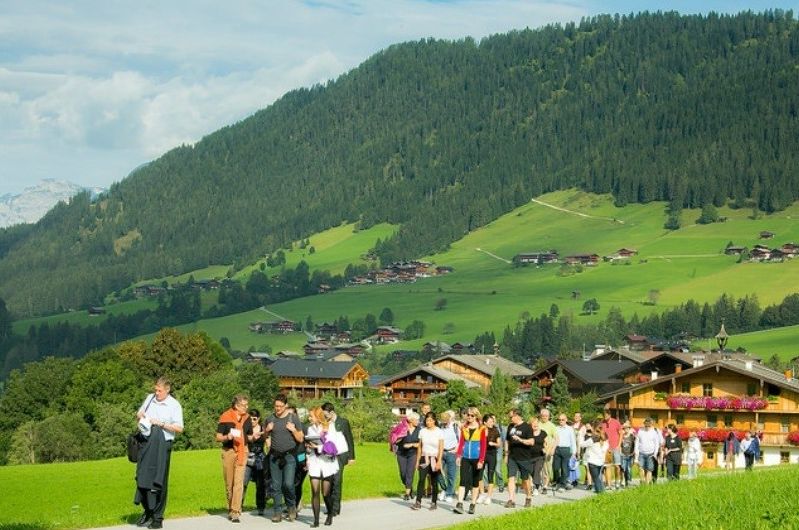
The Alpbach-Laxenburg Group Retreat 2016 on New Business Models for Sustainable Development. © Matthias Silveri | IIASA
Above all, attending the IIASA 2016 Alpbach-Laxenburg Group Retreat at the European Forum Alpbach helped to enhance my understanding of the relationship between migration and intergenerational responsibility. All these endeavors are targeted at contributing to sustainable development in a world on the move.
More information on the author of the post: www.juliampuaschunder.com
This article gives the views of the author, and not the position of the Nexus blog, nor of the International Institute for Applied Systems Analysis.

You must be logged in to post a comment.