Sea
level rise is one of the most challenging impacts of climate change. The
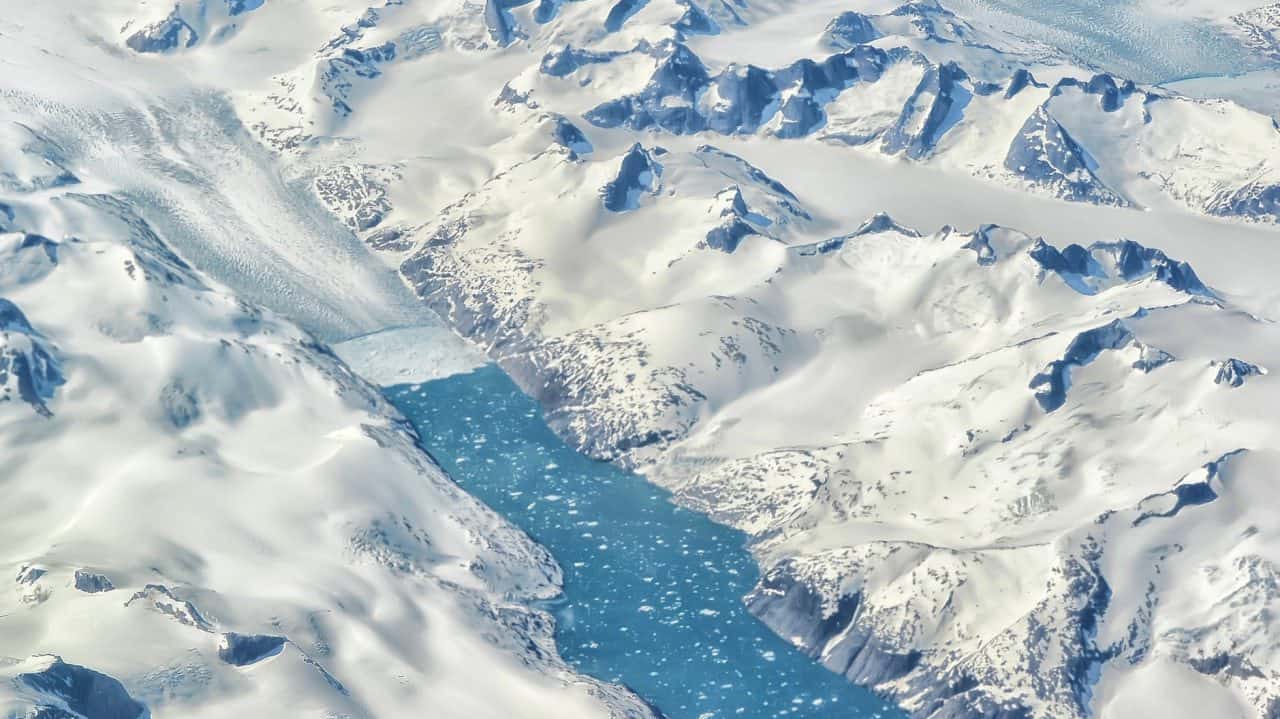
continued rise in sea levels, partially caused by the melting of the ice sheets
of Greenland and Antarctica, will result in large scale impacts in coastal
areas as they are submerged by the sea. Locations not able to bear the costs of
implementing protection and adaptation measures will have to be abandoned,
resulting in social, economic and environmental losses.
The
most important mitigation goal for sea level rise is to reduce or possibly
revert carbon dioxide (CO2) emissions. Given the time lag between
emission reductions and the impacts of climate change, new adaptation measures
to reduce sea level rise should be proposed, developed and if possible,
implemented.
A proposal that I developed during my D.Phil degree ten years ago, which resulted in a paper on the Mitigation and Adaptation to Global Change Journal1, shows that submerged barriers in front of ice sheets and glaciers would contribute to reducing the ice melt in Greenland. Edward Byers and I propose the construction of ten barriers at key glaciers in Greenland to stop the flow of warm salty ocean water reaching glaciers in Greenland and Atlantic, which are the main contributors to ice melting. This could reduce sea level rise by up to 5.3 meters at a levelized cost of US$275 million a year. The cost of the barriers is only a fraction of the estimated costs of adaptation measures to sea level rise around the world estimated to be US$1.4 trillion a year by 21002.
The
barrier consists of several plain sheet modules of marine grade steel around
200 mm thick connected to cylindrical steel tubes with air inside to keep the
barrier floating. The depth of the barriers varies from 30 – 500 meters and the
required length to stop the sea water from entering the fjords, where the
glaciers are located. As no such barrier has been developed before,
we propose three main
steps for the construction of the barrier:
The barrier components
should be transported to the designated location during the summer, when there
is no ocean ice cover and the access to the location of the barrier is less
challenging. Also during the summer, mooring structures should be added.
During the winter, the
barrier is assembled over the frozen ice cover.
During the next summer,
the ice cover will melt again and the barrier will float above the place where
it is should be fixed. The mooring chains attached to the barrier will pull the
barrier into place, using the mooring structures in the ground.
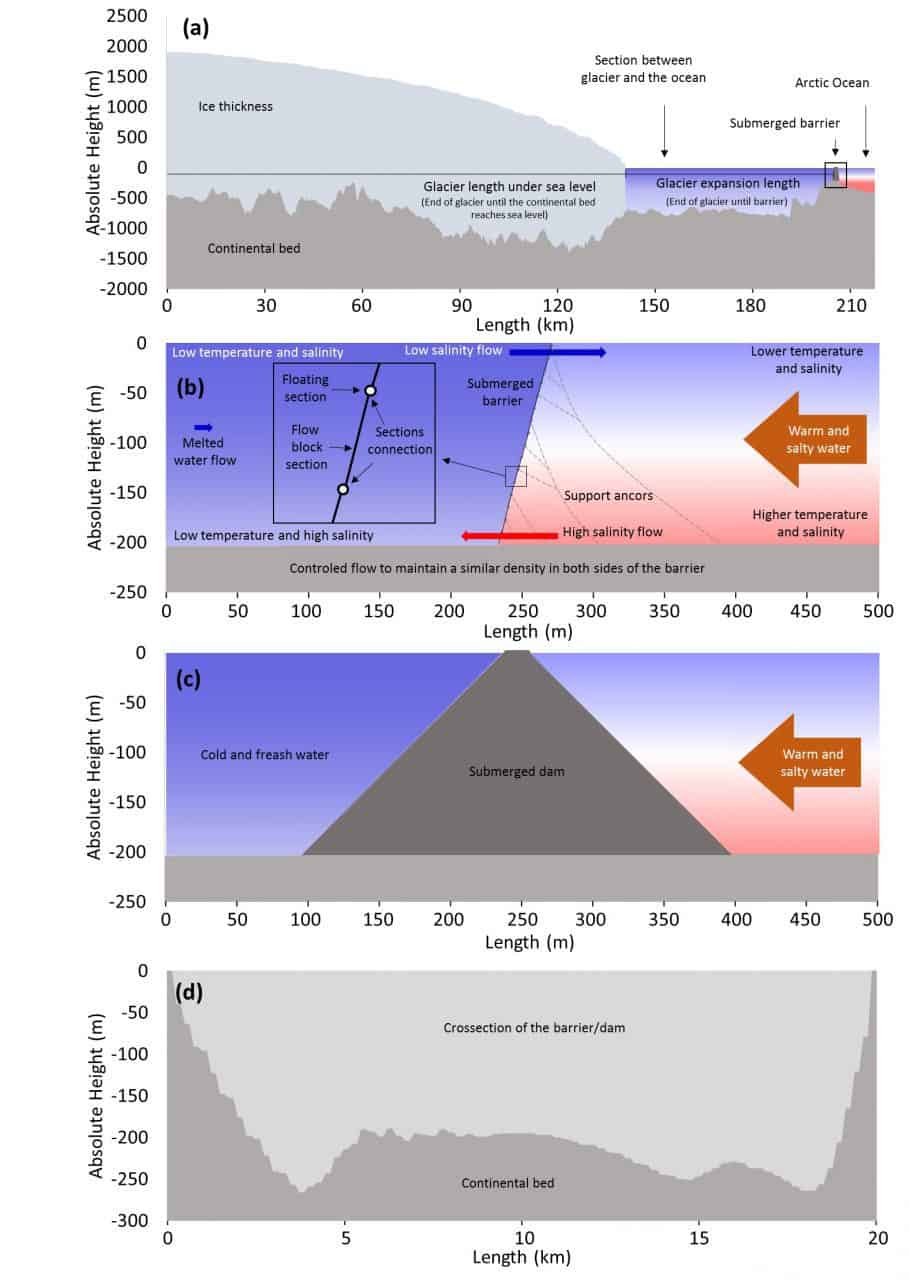
The concept of reducing the contact of seawater and glaciers to reduce ice sheet melting was first published by Moore in Nature3, and Wolovick in The Cryosphere4 with the construction of submerged dams. A graphic representation of the concept is presented in Figure 1. As you can see the barriers should be positioned just after the glacier cavity, where the depth required for the barrier would be the smallest. Our cost analysis shows that using submerged barriers would have one or two orders of magnitude lower costs when compared to submerged dams. Additionally, submerged barriers could be easily removed, if the need arise.
Figure 1. (a) Proposed location of the submerged barrier or dam, (b) submerged barrier characterizes, (c) submerged dam characterizes.
There
are several issues involving the implementation of these barriers that should
be considered before they are built. The reduction of ice melt in Greenland
glaciers will contribute to an increase in seawater temperature and salinity of
the Arctic Ocean, which will have a direct impact on the region’s biosphere,
climate and ocean currents. The superficial ice cover in the Arctic will be
considerably reduced. This would allow a new maritime route for ships to cross
the Arctic Ocean, increase the absorption of CO2 by the Arctic Ocean,
due to the increase in the ice free surface area and the cold seawater temperature,
and the increase in radiation heat from the Arctic Ocean into space. Ice is a
strong thermal insulator. Without the Arctic Ocean ice cover the temperature of
the region and the heat radiated from the Earth to space will considerably
increase, which could have a higher impact in cooling the Earth than the ice
cover’s albedo effect. Thus, the reduction of the Arctic Ocean ice cover could
contribute to reducing the overall CO2 concentration of the
atmosphere and reducing the Earth’s temperature.
This
solution, however, should not be used as an excuse to reduce focus on cutting
CO2 emission. If the world continues to warm, not even submerged
barriers in front of glaciers would be able to stop ice sheets melting and sea
level rise.
References:
Hunt J, Byers E (2018) Reducing sea level rise with submerged barriers and dams in Greenland. Mitigation and Adaptation Strategies for Global Change DOI: 10.1007/s11027-018-9831-y. [pure.iiasa.ac.at/15649]
Jevrejeva JS, Jackson LP, Grinsted A, Lincke D, and Marzeion B (2018) Flood damage costs under the sea level rise with warming of 1.5 ◦C and 2 ◦C. Environmental Research Letters DOI: 10.1088/1748-9326/aacc76
Moore J, Gladstone R, Zwinger T, and Wolovick M (2018) Geoengineer polar glaciers to slow sea-level rise. Nature: https://go.nature.com/2GoPcGp
Wolovick M, Moore J (2018) Stopping the flood: could we use targeted geoengineering to mitigate sea level rise? The Cryosphere DOI: 10.5194/tc-12-2955-2018
By Farid Karimi, independent researcher and IIASA alumnus
There is consensus that the current trend of energy consumption growth and CO2 emissions cannot continue if global warming is to be tackled. Many countries have considered carbon capture and storage (CCS) for addressing climate change. CCS is a technology that mitigates CO2 emissions by removing CO2 from the atmosphere and storing it in carbon sinks–in other words, in an environment or reservoir that has the ability to “store” CO2–such as depleted oil and gas fields.
The Intergovernmental Panel on Climate Change has emphasised that it is not possible to ‘limit likely warming to below 2°C if bioenergy, CCS, and their combination (BECCS) are limited’, while the International Energy Agency has stated that ‘CCS must be part of a ‘strengthened global climate response’. Even if one does not consider the energy sector, CCS is almost the only way to reduce CO2 from the cement and steel industries. Nonetheless, CCS is a controversial technology. There is notable opposition to and different perceptions of the technology among stakeholders and we also know that the reaction of the public to CCS will considerably affect the development of the technology in democratic countries. Therefore, it is important to understand these diverse perceptions and their roots.
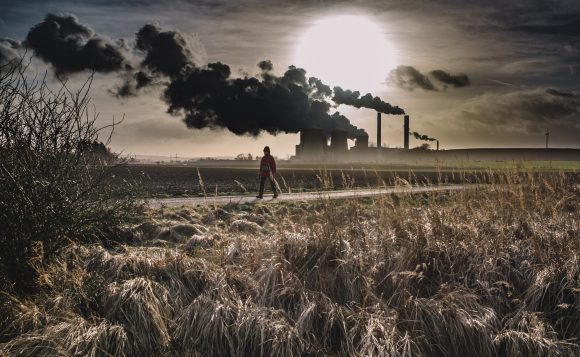
Photo by Thomas Hafeneth on Unsplash
In our research, we looked at this controversial technology from a cross-cultural perspective. Previous research has identified general and local mechanisms in how the general public reacts to CCS and researchers have also noticed that there are differences between countries, but the effects of cross-cultural differences had not previously been explored in detail. In our study, which was recently published in the International Journal of Greenhouse Gas Control, we argue that it is crucial to understand how public perceptions of a particular technology emerge and form in their individual contexts or how perceptions are embedded in large-scale cultural frameworks.
Our results show that the effects of individual level variables such as familiarity with technology, or sociodemographic variables such as education, are important, but their effects are likely mediated and confounded by the cultural setting. We found that in parallel with other factors such as trust, cultural dimensions such as uncertainty avoidance and the society’s short-term or long-term orientation affect risk perception. Uncertainty avoidance can be described as the extent to which members of a society feel uncomfortable with uncertain, unknown, ambiguous, or unstructured situations. Long-term orientation on the other hand, refers to a society that fosters virtues and is oriented towards future rewards, in particular perseverance and thrift.
High uncertainty avoidance, for instance, leads to higher risk perception because among nations with a strong uncertainty avoidance index, there is a mentality of “what is different is dangerous”. Moreover, countries that demonstrate a long-term orientation might express a higher level of risk perception concerning the technology because people from these countries place more value on thrift, which implies being more careful about investing in risky or uncertain matters. In addition, investment in real estate is a notable feature of such societies, and this is closely tied to the issue of NIMBY – an acronym for the phrase “not in my back yard”, denoting opposition by residents to a proposed development in their area – which is one of the most important controversies related to CCS. For example, Germany has a very high long-term orientation, so Germans have serious concerns about the effect of CCS on the real estate market and about having CCS facilities in their region.
All in all, our work provides a framework to understand why and how societies challenge the technology. Cultural differences and lack of consideration for them have in the past caused the failure of negotiations or implementation of some projects. Our study is a contribution to the field and could be used to understand how cross-cultural differences operate in the realm of sustainable energy technology.
Note: This article gives the views of the author, and not the position of the Nexus blog, nor of the International Institute for Applied Systems Analysis.
By Géza Tóth, Sustainability Manager Tropical Oils, SBU Ferrero and IIASA alumnus
This famous sentence providing the catchy title for my blog and inspiration throughout my professional career comes from David Grey, who was one of my great mentors at IIASA.
During my seven years at the institute, I had the opportunity to work with several research programs where I had to find my way in various disciplines. Even though I was not the typical modeler, I was fortunate to work with patient tutors and great leaders who were supporting my development and triggering constructive thoughts. I was eager to learn about the crosscutting nature of global challenges and transversal opportunities. As a natural consequence, I found myself migrating between many IIASA programs and roles, constantly on the lookout for new challenges.
I completed a multidisciplinary PhD alongside my regular work at IIASA and changed titles and topics several times. I was into regional development and sustainability dynamics of post-war geographies where you cannot omit any influencing factors, whether it be political, environmental, or socioeconomic in nature. As I look back, I believe my overall results would not be complete without the flexibility and inclusiveness that I had the privilege of experiencing at IIASA.
When I moved into the food industry, I realized that everything I had learnt at IIASA, especially the systems thinking, come in handy when tackling the complex sustainability problems the industry faces. I have always liked connecting dots and fostering collaboration. While it is difficult to pitch policy-relevant research results, I believe there is a clear business case in bringing science and industry closer together.
Our global food supply chains are increasingly untraceable and so we have to connect a multitude of dots. Yet, industry is a very complex animal, driven by powerful shareholder corporations with a clear business agenda. IIASA can predict futures of our declining resources, influencing social aspects, even costs and required investments of businesses. Nevertheless, transforming industry does not depend on scientific facts and publications alone. What we need is to be able to translate scientific findings into innovations that will break current business rules or even disrupt them.
I feel that one of the biggest challenges of industry is to hear and understand the voice of science. Trading is a straightforward business where sustainability can be managed by compliance. As part of my responsibility of managing palm oil supply chain sustainability at Ferrero, I learned that in consumer goods manufacturing, consumers are the main drivers for Corporate Social Responsibility actions and their behavior and consumption patterns are changing.
Severe environmental destruction and unethical labor issues heavily affect the palm oil sector. The production and trade of agricultural commodities follow the rapidly increasing demand for food but, ironically, the amount of food waste and number of hungry people is also tipping. While European policymakers send contradicting messages about whether to eat palm oil or burn it in car engines, the destruction of ancient forests has reached unprecedented levels. Time is of the essence and science must have its voice heard in the language of industry, politicians and consumers. We cannot afford to work in silos. It is time to collaborate and finally link science with people.
The IIASA Young Scientists Summer Program (YSSP) is a unique platform and I am convinced that the positive impact it creates is enormous. Although I was never officially part of the YSSP, I interacted with the participants every year and felt like one of them. Highly skilled young thinkers come together from all around the world, influence and learn from each other under IIASA mentorship and are bound to end up in various disciplines and roles out there. They will surely know how to translate applied science into the right language and channel.
As a family-owned global company, Ferrero is one of the few businesses that is able to make long-term systematic plans and has a successful history of working with a forward looking and constructive vision. Its potential to be a lighthouse model for the industry is enormous and thus its responsibility too. It should therefore come as no surprise that supporting the YSSP program was a natural first step in Ferrero’s collaboration with IIASA.
It is not easy to explain what IIASA does and how it is relevant for the industry. It is equally difficult to illustrate it with good examples. IIASA scientists have however been helping me a lot to identify appropriate channels. I hope there will be more outputs from IIASA in the future that translate science into the business case allowing us in the industry sector to connect more dots.
Note: This article gives the views of the author, and not the position of the Nexus blog, nor of the International Institute for Applied Systems Analysis.
By Nour Barakeh, Alpbach Learning Program Co-manager, European Forum Alpbach, Austria
“I don’t want this war to end. I grew up carrying my weapon and fighting. I have lost everything. I can’t remember the shape of my life, my dreams, before war.”
I still remember my shock when a 23-year-old man said these words to me while I was traveling from city to city in Syria to interview young people about their opinions on the present and their dreams for the future.
Nour Barakeh
In the decades long absence of a collective and free political atmosphere in the country, being critical about social issues, seeking knowledge for deep understanding despite the lack of real and reliable recourses, and doing research was immensely difficult, and at times even dangerous. I however firmly believe that the power of sharing ideas cannot be overestimated.
This brings us to the value of education. When I was younger, I was lucky enough to have been able to complete my academic studies in Syria – I am a trained pharmacist. Unfortunately, most people in Syria today have a very different experience. One only needs to look at the number of children living in camps around the country – children who have had to stop their education due to military conflict. Not to mention the number of young people involved in military life, and all of the others forced to suspend their education for any number of reasons.
In light of this, in 2013, a group of young activists and I who were living in Damascus, decided to change our work approach from what can be described as an emotionally supportive level to an approach focused on opening up creative spaces for critical thinking. Creative spaces for analyzing and exchanging thoughts, fears, and visions about our current situation. We organized art workshops during which we could work around political issues without the danger of being directly involved in them.
After three years of conducting these workshops, I noticed recurring themes. I started doing social research in an effort to predict the post-war period and the possibilities of rebuilding our country with realistic data aimed at addressing the causes of the underlying problems rather than just the consequences. That was how I started traveling around Syria and meeting people through my research.
It was also during this time that I discovered just how isolated we really were, each of us in our individual communities. We didn’t know each other. In addition, in the absence of the aforementioned collective and free political atmosphere in Syria, we were deprived of understanding our shared problems, which forced us to become involved in imagined conflicts based on assumed divisions.
This realization led me to a series of questions. If we could imagine that the war in Syria hadn’t yet started, how could the war have been avoided? Furthermore, how could we build sustained peace in our country? The emphasis here is of course on the word “build”, because peace cannot be imposed on societies. Achieving sustained peace is the fulfillment of revolutions aimed at rooted changes.
In my own life, sometime after doing those interviews in Syria, I was lucky enough to immigrate to Austria. Here, I see peace represented as a culture. I have experienced it through close contact with people, with their way of life, and their psychological structure. I am convinced that the fact that peace has been achieved in this country is the most important factor contributing to progress, not only on a general economic, political, and social level, but also on the level of human consciousness.
Therefore, for me, achieving peace has taken its place next to the rest of the Sustainable Development Goals as a main factor to close the circle of our interrelated world. An expression of interconnected problems that can only be solved on a global level.
In trying to realize the mechanisms of our interrelated world however, my interaction with the culture in Austria has forced me to re-evaluate concepts such as identity and nationality. Forced me to revisit these and other concepts that has been used to create conflicts and to break down awareness of our shared interests and shared pains as human beings.
All of this has motivated me to become more open to a broader sense of belonging, to global citizenship where we can see the full picture and everyone can contribute to the common good. Not as an idealistic dream, but rather, as a necessary condition for our survival.
We need to have one eye on the microscope and the other on the telescope. We need to combine all sectors to achieve the desired impact.
In my work with my partners and colleagues, this has meant combining scientific studies and artistic work through projects like the art-science performance Migraspectives* at the IIASA/JRC Evidence and Policy Summer School, to support the establishment of sustainable educational projects focused on empowering people to transcend the effects of war. It is a method of involving audiences in tricky topics such as migration, and realizing that data alone cannot be the only tool to reach people in making a change, and trying to bridge the gap between researchers, policymakers, and society.
*Migraspectives is a research project that involves artists and scientists in exploring the current debate on Migration through the lense of diverse and often conflicting world-views. The project culminated in a participatory performance during the Summer School for Evidence and Policy, organised by IIASA and the European Commissions Joint Research Center under the auspices of the Austrian Presidency of the Council of the European Union, where a new approach to solution finding with an audience of researchers and policymakers from 40 countries was tried out for the first time.
Note: This article gives the views of the author, and not the position of the Nexus blog, nor of the International Institute for Applied Systems Analysis.
By Alma Mendoza, Colosio Fellow with the IIASA Ecosystems Services and Management Program
Changes in land use cover can have a crucial impact on the environment in terms of biodiversity and the benefits that ecosystems provide to people. Assessing, quantifying, and identifying where these changes are the most drastic is especially important in countries that have high biodiversity along with high rates of natural vegetation loss. Socioeconomic pressures often drive land use change and the impacts are expected to increase due to population growth and climate change.
To better understand the possible impacts of land use change in Mexico over the short, medium, and long term, my colleagues and I used the Shared Socioeconomic Pathways–a set of pathways that span a wide range of feasible future developments in areas such as agriculture, population, and the economy–together with a set of climatic scenarios known as the Representative Concentration Pathways. We focused on Mexico, because the country is large enough to encompass different ecosystems, socioeconomic characteristics, and climates. In addition, Mexico is characterized by high deforestation rates, huge biodiversity, and a large number of communities with contrasting land management practices. Incorporating all these features, allowed us to take the complexity of socioecological systems into account.
We designed a model to test how socioeconomic and biophysical drivers, like slope or altitude, may unfold under different scenarios and affect land use. Our model includes 13 categories of which eight represent the most important ecosystems in Mexico (temperate forests, cloud forests, mangroves, scrublands, tropical evergreen and -dry forests, natural grasslands, and other vegetation such as desert ecosystems or natural palms), four represent anthropogenic uses (pasture, rainfed and irrigated agriculture, and human settlements), and one constitutes barren lands. We set two plausible scenarios: “Business as usual” and an optimistic scenario called the “green scenario”. We projected the “business as usual” scenario using medium rates of vegetation loss based on historical trends and combined it with a medium population and economic growth with medium increases in climatic conditions. For the “green scenario”, we projected the lowest rates of native vegetation loss and the highest rates of native vegetation recovery with a low population and medium economic growth in a future with low climatic changes.
Our results show that natural vegetation will undergo significant reductions in Mexico and that different types of vegetation will be affected differently. Tropical dry and evergreen forests, followed by ‘other’ vegetation and cloud forests are the most vulnerable ecosystems in the country. For example, according to the “business as usual” scenario, tropical dry forests might decrease in extent by 47% by the end of the century. This is extremely important considering that the most recent rates, for the period 2007 to 2011, were even higher than the medium rates we used in this scenario. In contrast, the “green scenario” allowed us to see that, with feasible changes of rate, this ecosystem could increase their distribution. However, even 80 years of regeneration would not be enough to reach the extent these forests had in 1985, when they accounted for around 12% of land cover in Mexico. Moreover, the expansion of anthropogenic land cover (such as agriculture, pastures, and human settlements) might reach 37% of land cover in the country by 2050 and 43% by 2100 under the same scenario. In terms of CO2 emissions due to land use cover change we found that Mexico was responsible for 1-2% of global emissions that are the result of land use cover change, but by 2100 it could account for as much as 5%.
Our findings show that conservation policies have not been effective enough to avoid land use cover change, especially in tropical evergreen forests and drier ecosystems such as tropical dry forests, natural grasslands, and other vegetation. Cloud forests have also been badly affected. As a biologically and culturally rich country, Mexico is responsible for maintaining its diversity by implementing a sustainable and intelligent management of its territory.
Our study identified hotspots of land use change that can help to prioritize areas for improving environmental performance. Our project is currently linking the hotspots of change with the most threatened and endemic species of Mexican terrestrial vertebrates (mammals, amphibians, reptiles, and birds) to provide useful results that can help prioritize ecosystems, species, or municipalities in Mexico.
Reference:
Mendoza Ponce A, Corona-Núñez R, Kraxner F, Leduc S, & Patrizio P (2018). Identifying effects of land use cover changes and climate change on terrestrial ecosystems and carbon stocks in Mexico. Global Environmental Change 53: 12-23. [pure.iiasa.ac.at/15462]
Note: This article gives the views of the author, and not the position of the Nexus blog, nor of the International Institute for Applied Systems Analysis.



You must be logged in to post a comment.