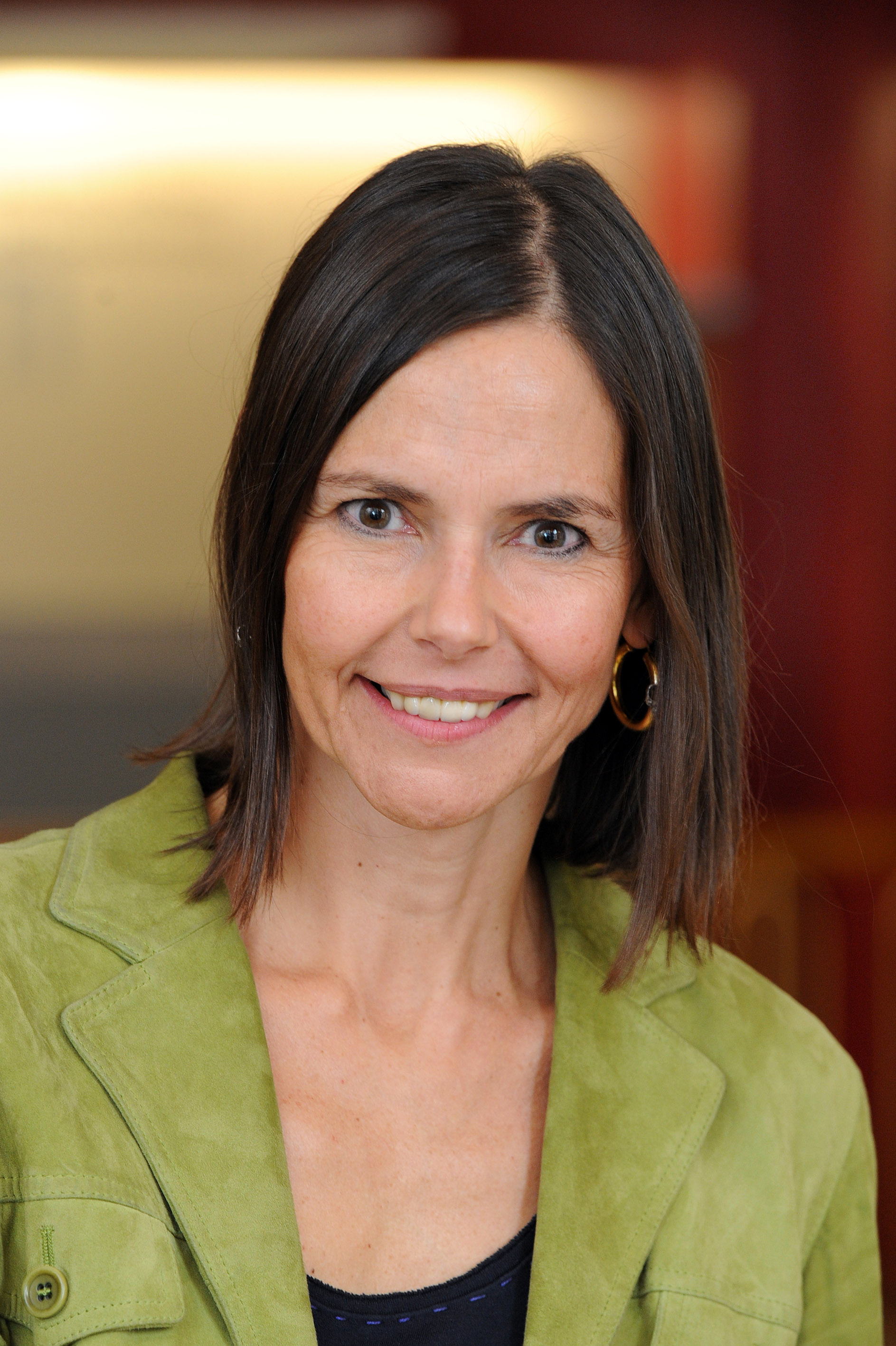
Johanna Mair is a professor of Organization, Strategy and Leadership at the Hertie School of Governance, Academic Editor of Stanford Social Innovation Review, Co-Director of the Global Innovation for Impact Lab at the Stanford Center on Philanthropy and Civil Society, and Academic Co-Director Social Innovation and Change Initiative at the Harvard Kennedy School. Mair is also a member of the Alpbach-Laxenburg Group, which holds its annual retreat this weekend on the sidelines of the European Forum Alpbach.
At the Alpbach-Laxenburg Group retreat this weekend, you will be joining a discussion on governance and institutional transformation towards sustainability. What do you see as the biggest barriers to sustainable development? Sustainability challenges typically require a concerted effort to achieve impact. We still lack the appropriate governance and accountability mechanisms that ensure implementation of well-intended strategies and commonly devised goals.
As an expert in social entrepreneurship and innovation, what new developments have you seen that you think could drive a transformation towards sustainability? Could you give examples of successful innovations that have taken hold? We do see innovation on many fronts. Especially in governance technology has enabled a number of useful and helpful innovations that allow for more transparent and accountable processes. At the same time we still face enormous challenges that cannot be fixed by technology and require us to face deeply rooted relational and cultural problems. The prevalence of open defecation and lack of sanitary infrastructure in India is just one example.
Sometimes it seems like there are many great ideas, but adoption is slow. What do you think is necessary to make the leap from innovative idea to widespread practice? “Most new ideas are bad ideas” as Jim March from Stanford University would say. We must stop praising innovation and start to think and act on linking innovation and scaling as two distinct process to create impact. Innovation is an investment and creates the potential for impact. Scaling enacts and grows this potential and transforms innovation into tangible outcomes – improving the lives of marginalized people and communities and making progress on stubborn societal and environmental problems.
How do innovation and governance go together? What are the challenges and opportunities for bringing new ideas into institutions and governments? Governance needs to exert an enabling role. We need to craft and design governance systems that foster innovation. At the same time, governance systems need also make sure that the potential and usefulness of innovation can be tested along the way. This requires reflecting on markers of success that are process and not outcome focused.
The Alpbach-Laxenburg Group brings together leaders from business, and young entrepreneurs, along with government leaders and science experts. What do you think can be gained from a meeting of this type? The most important outcome will be a shared understanding of priorities, pathways, and markers of success for this journey.
This article gives the views of the author, and not the position of the Nexus blog, nor of the International Institute for Applied Systems Analysis.
By Valeria Bordone, University of Munich Department of Sociology and IIASA World Population Program
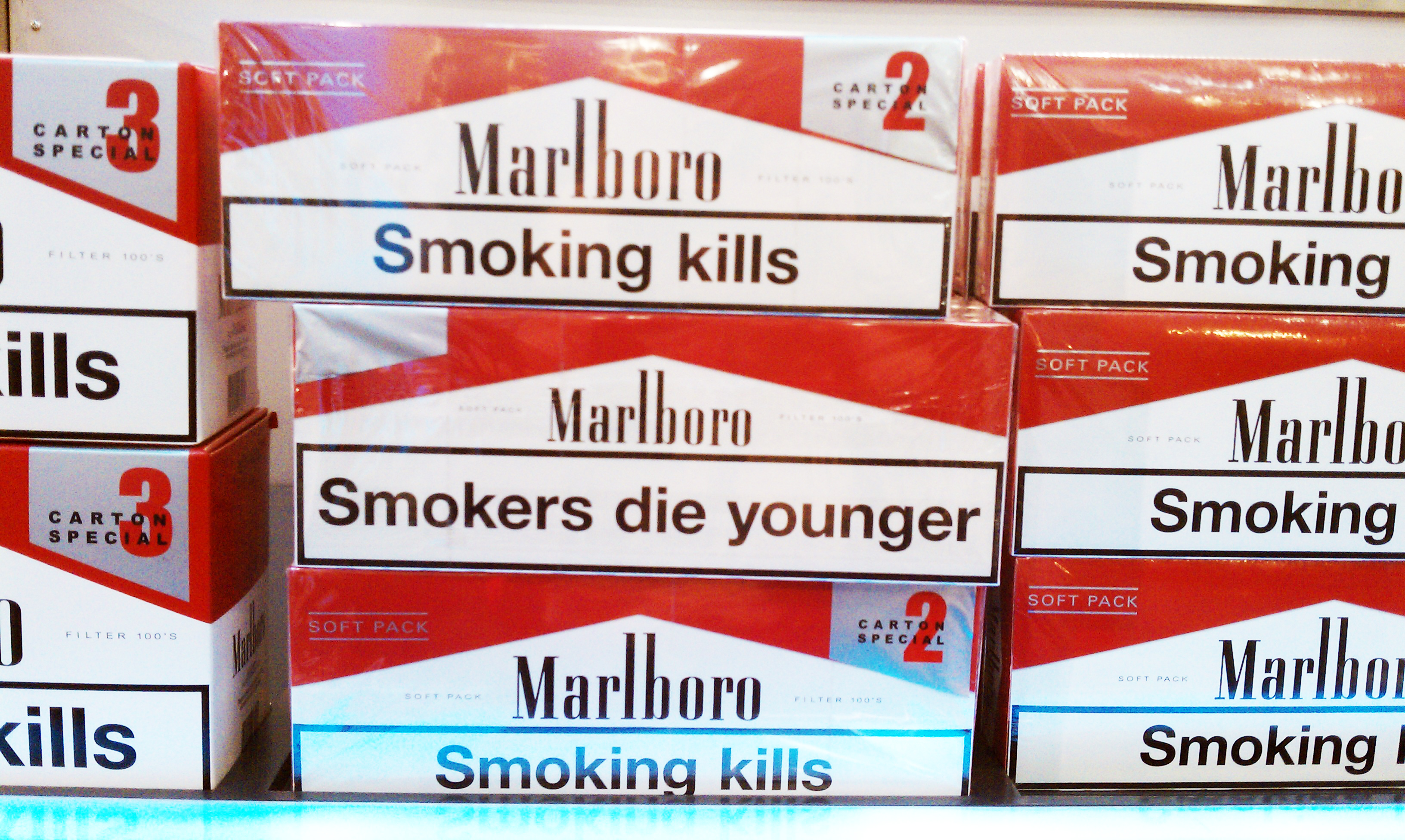
Everyone, consciously or unconsciously, formulates in their own mind a subjective survival probability– i.e., an estimate of how long they are going to live. This will affect decisions in different spheres of later life: retirement, investments, and healthy behaviors. Moreover, previous research has found that subjective survival probability is a good predictor of mortality. In fact, on average, people somehow know better than standard health measures the effect that their characteristics and their behavior have on life expectancy. It is however plausible not only to expect differences within the population in terms of survival, but also in the ability to predict their own survival.
(cc) roujo | Flickr
In a recent publication with Bruno Arpino from the University Pompeu Fabra and Sergei Scherbov from the Wittgenstein Centre (IIASA, VID/ÖAW, WU)., we presented for the first time joint analyses of the effect of smoking behavior and education on subjective survival probabilities and on the ability of survey respondents to predict their real survival, using longitudinal data on people aged 50-89 years old in the USA drawn from the Health and Retirement Study.
We found that, consistent with real mortality, smokers report the lowest subjective survival probabilities. Similarly, less educated people report lower subjective survival probabilities than higher education people. This is in line with the well-known positive correlation between education and life expectancy. However, despite being aware of their lower life expectancy as compared to non-smokers and past smokers, people currently smoking at the time of the survey tended to overestimate their survival probabilities. This holds especially for less educated people.
Our study suggests that in fact, education also plays an important role in shaping people’s ability to estimate their own survival probability. Whether or not they smoke, we found that more highly educated people are more likely to correctly predict their survival probabilities.
In view of the high proportion of the American population that consists of current or past smokers, a percentage that reached 77% in some male cohorts, our findings emphasize the need to disseminate more information about risks of smoking, specifically targeting people with less education.
By showing that smoking and education play together in determining how well people can assess the own survival potential, this study extends our understanding of the variability of subjective survival probabilities within a population. The fact that sub-groups within the population differently incorporate the effects of smoking into their assessment of survival probabilities may have important consequences for example on when people exit the labor market or whether they buy a life insurance, as individuals are likely to base their decisions also on their longevity expectations.
Policymakers can therefore draw some relevant conclusions from our study to design policies concerned with health and survivorship in later life. Despite the various anti-smoking campaigns and smoking restrictions, smokers may not be fully aware of the risks of smoking. In particular, educational groups seem to be differently exposed to the information that is disseminated to the public. Our study suggests that there is a need to target such information to less educated people, who are the most likely to underestimate the risks of smoking. Providing information on how survival probabilities vary by smoking behavior may not only reduce smoking but it may also increase individuals’ ability to assess their own survival.
(cc) Quinn Dombrowski | Flickr
Reference Arpino B, Bordone V, & Scherbov S (2017). Smoking, Education and the Ability to Predict Own Survival Probabilities: An Observational Study on US Data. IIASA Working Paper. IIASA, Laxenburg, Austria: WP-17-012 [pure.iiasa.ac.at/14692]
This article gives the views of the author, and not the position of the Nexus blog, nor of the International Institute for Applied Systems Analysis.
Child mortality is high in Nigeria. For every 1000 children born, 128 deaths occur, according to the 2013 Nigeria Demographic and Health Survey report. This is one of the highest rates in Sub-Saharan Africa.
Although the Nigerian government is working hard to change the story and ensure more children live to celebrate their fifth birthday, through schemes such as free maternal and child healthcare, indoor air pollution may hinder those efforts if not addressed, research has shown.
Solid fuels and the health of children and women
“Indoor air pollution can have a severe effect on children’s health. For example, pneumonia, a major contributor of under-five mortality, will be exacerbated,’’ says Olugbemisola Samuel, a participant in the Young Scientist Summer Program who is currently working on a project to determine just how many lives could be saved by replacing solid fuels with clean ones in Nigeria.
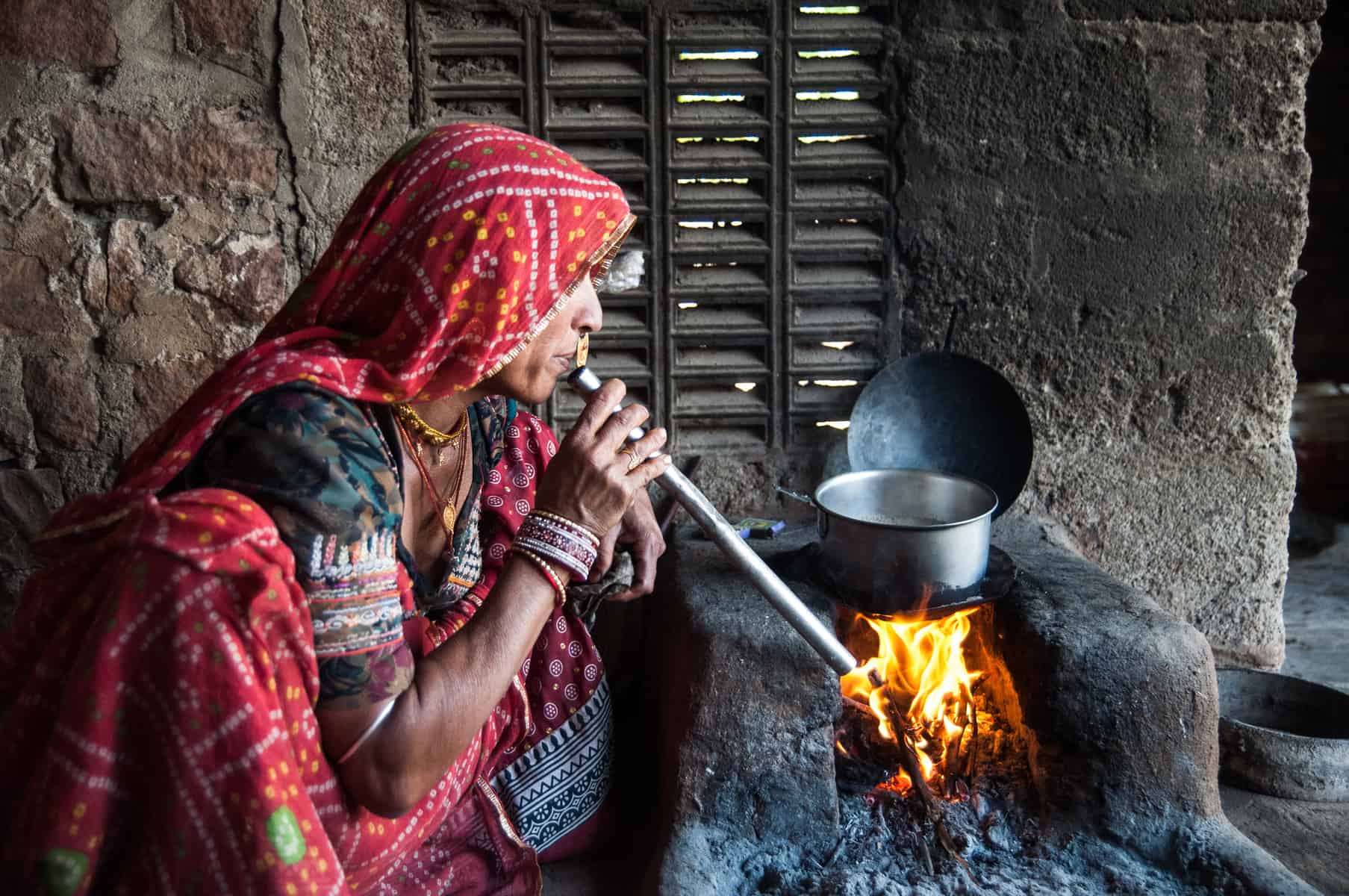
It is a common practice, not only in Nigeria but in many African and Asian societies, to find mothers carrying young children on their backs as they go about domestic tasks in the home. Women are likely to spend most of their time in the kitchen cooking, washing dishes, and heating water for drinking or bathing.
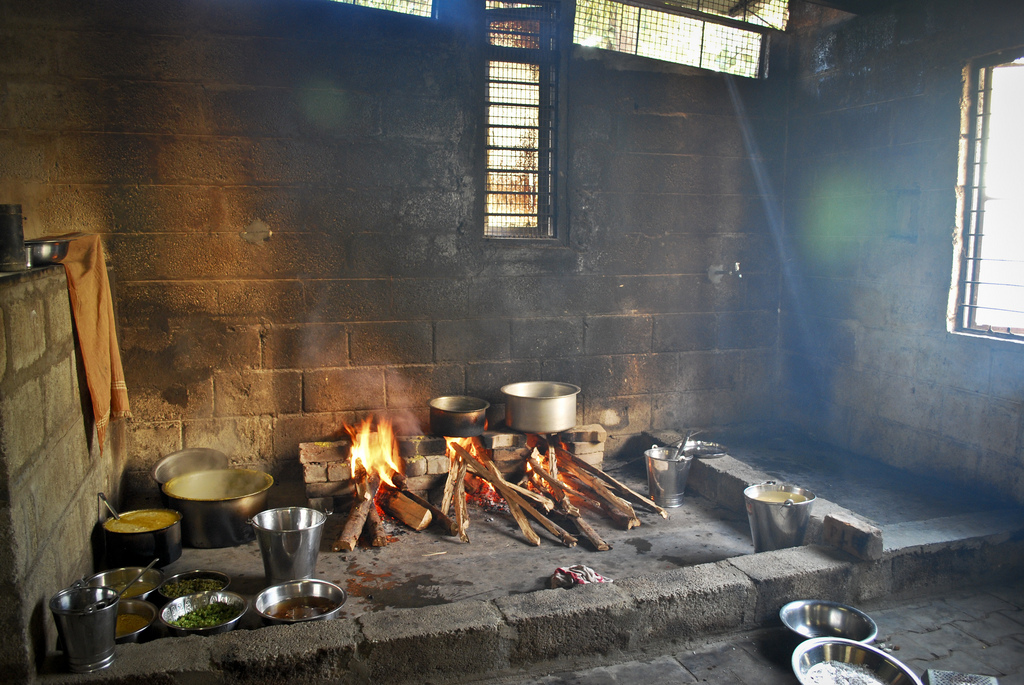
Cooking in rural households is done on traditional stoves where cow dung, crop straw, charcoal, and firewood are used. The smoke contains many harmful tiny particles and substances. If taken in small quantities over a long duration, this interferes with the respiratory system and can cause other health problems. In Nigeria, 80% of children under five years live in homes where wood is the main fuel used.
A 2016 report from UN Children’s Fund links the use of these solid fuels to respiratory diseases such pneumonia, asthma, bronchitis, impaired cognitive development, and cataracts among children under five years, especially in developing countries. For children and women with already weak immune systems from malnutrition, HIV/AIDS, tuberculosis or other chronic diseases, long-term exposure from indoor air pollutants can worsen the conditions.
Exposure to indoor air pollution during pregnancy and delivery can mean miscarriage, low birth weight, or children with stunted growth. A study carried out in India also associated the likelihood of developing preeclampsia (elevated blood pressure) while pregnant with long-term exposure indoor air pollutants.
Olugbemisola, in her current IIASA study, is using the Greenhouse Gas-AirPollution Interactions and Synergies model to estimate the number of children under five years that may be prevented from dying if cleaner fuels (such as electricity and gas) are adopted. She hopes to share her findings with policymakers in energy and health sectors, especially in the areas severely affected by indoor air pollution and under-five mortality.
Tracing and addressing the problem
Income and wealth dictate the choice of fuel used in a household. Most rural households use solid fuel for cooking owing to their low income. In urban areas, where most people do have access to electricity, they may still rely on cheaper sources of energy such as charcoal and kerosene for cooking.
Making other cleaner forms of energy available and affordable is one way of reducing indoor air pollution (CC) Harsha K R
“Making electricity and gas available and affordable to households should be seriously prioritized by the government as a critical intervention to improve the situation. Currently, only 56% of households in Nigeria have access to electricity yet the country exports to neighboring countries such as Ghana and Benin,” says Olugbemisola.
Use of solid fuels is highest (at 98%) in the northeast region of the country, a survey by Nigeria’s National Bureau of Statistics revealed. This region also has high illiteracy, poverty, and rates of early child marriage. “Women with low or basic education lack adequate knowledge and information to enable them make informed choices as regards to maternal health, family planning, design or location of the kitchen including choice of cooking fuel”, says Olugbemisola.
She proposes innovative communication strategies to reach out to women, particularly in rural and remote areas with little or no education to raise awareness on the topic. The methods could include the use of performing arts, television and radio, and pamphlets prepared in vernacular languages to be made available at health facilities or distributed by community health workers.
Another area for improvement is the location and design of the kitchen. In most rural settings, the kitchen is either part of the main house or built separately but urban populations living in informal settlements usually occupy one room that doubles up as the sleeping and kitchen area. Poor ventilation traps the smoke and increases the concentration of tiny particles. Pollution could be reduced by installing chimneys, switching to improved cooking stoves and better ventilation to allow clear air to circulate in the kitchen.
Successful development and implementation of these interventions will help to see more children living to celebrate their fifth birthday.
An interdisciplinary research project explores glo-cal entanglements of power and nature in 18th century Vienna
By Verena Winiwarter, Guest Research Scholar, IIASA Risk and Resilience Program, and Professor, Centre for Environmental History, Alpen-Adria-Universitaet Klagenfurt.
Nowadays, rulers turn to primetime TV events to demonstrate their power, be it putting men on the moon, testing missiles, or building walls. When the kings of France, in particular Louis XIV and XV, built Versailles, they had the same goals: To claim their leading role in Europe and make their mastery of nature and their subjects visible for all.
In the 1700s, the Austro-Hungarian Empire had to pull off a comparable feat, in particular as Emperor Charles VI had a huge constitutional problem: His only surviving child, a smart and pretty daughter, was not entitled to the throne. Only men could be emperors of the Holy Roman Empire. So while eventually, an international agreement allowed young Maria Theresia to succeed him, her position was clearly weak and would become contested right after her father’s death.
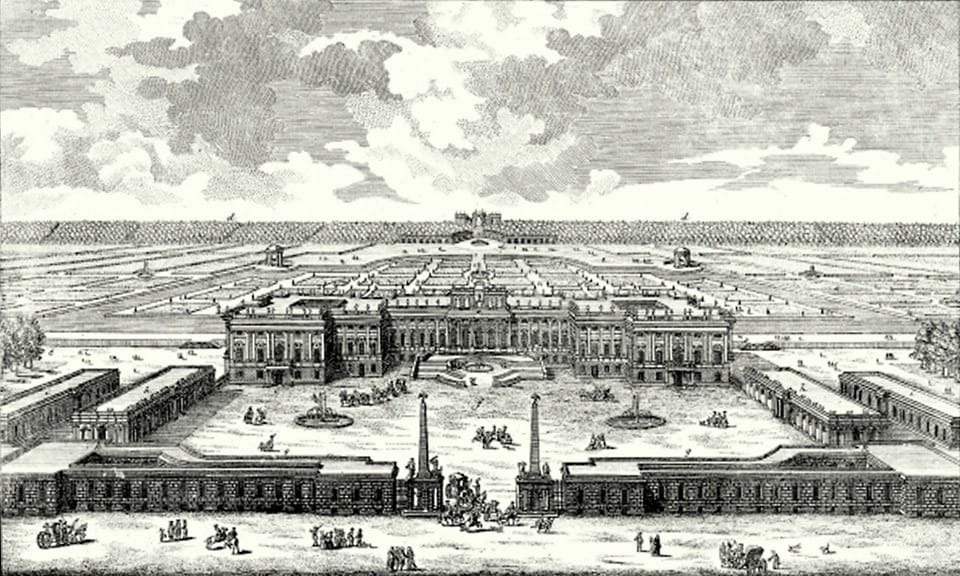
The construction of Vienna’ Schönbrunn Palace, and the taming of the river that flows by it, served as an international declaration of power by the Habsburgs and helped secure Maria Theresia’s position. Vienna, the Habsburg capital, already sported a summer palace in the game-rich riparian area to the west of the city center, close to a torrential, but rather small tributary of the Danube, the Wien River. Here, the leaders decided, a palace dwarfing Versailles should be built. One of the most famous architects of his time, J.B. Fischer von Erlach originally designed a grandiose structure that could never have been carried out. But it staked a claim and when seven years later, a more realistic plan was submitted, it became the actual blueprint of what today is one of Vienna’s most famous tourist sites.
Fischer v. Erlach’s second, more feasible design for Schönbrunn Palace (Public Domain | Wikimedia Commons)
While the kings of France built in a swamp and overcame a dearth of water by irrigation, the Habsburgs’ choice offered another opportunity to show just how absolute their rule was: the torrential Wien River had damaged the walls of the hunting preserve with its then much smaller palace several times. Putting the palace right there, into a dangerous spot, allowed the house of Habsburg to prove that their engineers were in control.
The flamboyant new palace was deliberately placed close to the Wien River, necessitating its local regulation. This had repercussions for those living up- and downstream, as flood regimes changed. Not all such change was beneficial, as constraining the river’s power meant that it found outlets elsewhere. In this case, European power struggles affected the course of a river, putting a strain on locals for the sake of global status.
In the 19th century, effects of global events and structures played out in favor of local health, when it came to building sewers along the by then heavily polluted Wien River. The 1815 eruption of the Tambora volcano in Indonesia led to unusually heavy rains during the otherwise dry season and the proliferation of cholera, which British colonial soldiers brought to Europe. A cholera epidemic hit Vienna in 1831/32, creating momentum to finally build a main sewer along Wien River. The first proposals for a sewer date back to 1792; they were renewed in 1822, but due to urban inertia, the sewer was not built. Thousands of deaths (18,000 in recurring outbreaks between 1831-1873) called for a response, and from 1831 onwards, collection canals were built.
A global constellation had first affected locals negatively, but with long-term positive outcomes of much cleaner water.
We uncovered these stories of the glo-cal repercussions of Wien River management during the FWF-funded project URBWATER (P 25796-G18) at Alpen-Adria-Universität Klagenfurt with the joint effort of an interdisciplinary team. We have shown in several publications how urban development was intimately tied to the bigger and smaller surface waters and to groundwater availability, telling a co-evolutionary environmental history.
The overall development of the dammed and straightened, then covered river can be seen in science-based videos by team member Severin Hohensinner for 1755. At 2:00 in the video, the virtual flight nears Schönbrunn on the right bank, with the regulation measures visible as red lines. A comparison between 1755 and 2010 is also available. Both videos start with an aerial view of downtown Vienna and then turn to the headwaters of the Wien, progressing towards the center with the flow.
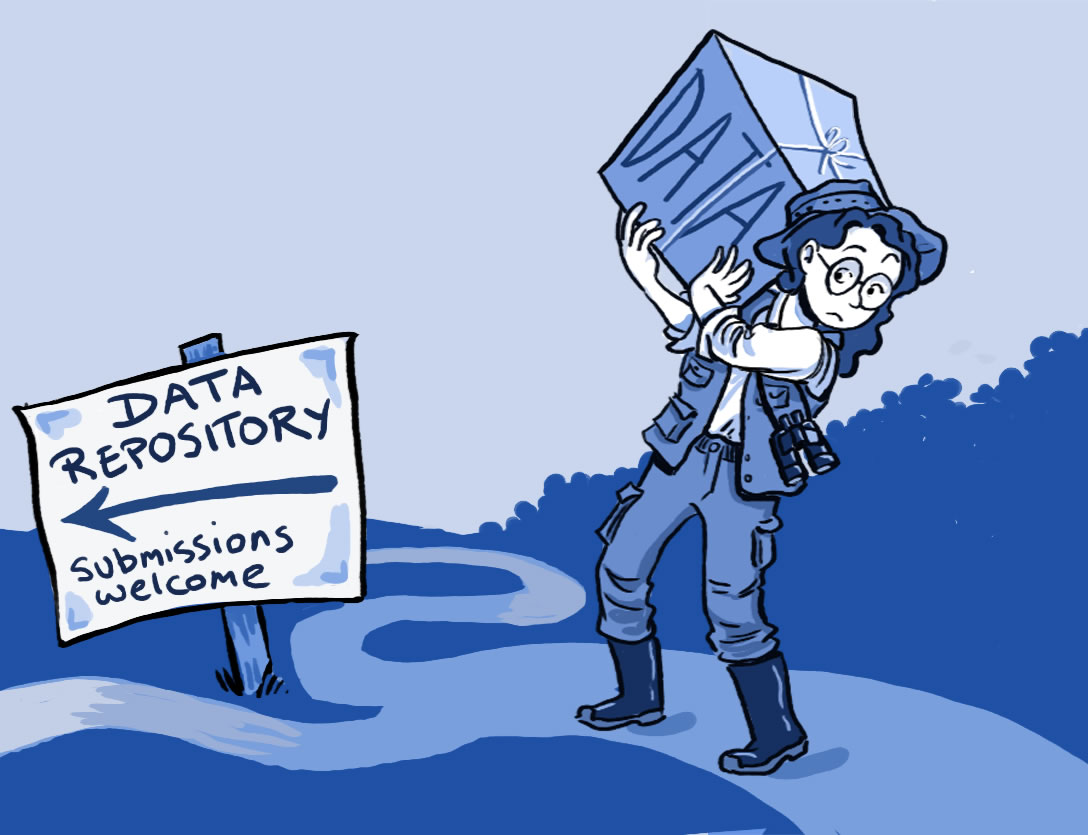
At this year’s European Geosciences Union a panel of experts convened to debate the benefits of open science. Open science means making as much of the scientific output and processes publicly visible and accessible, including publications, models, and data sets.
In terms of the benefits of open science the panelists—who included representatives from academia, government, and academic publishing—generally agreed that openness favors increased collaboration and the development of large networks, especially in terms of geoscience data, which improves precision in the interpretation of results. There is evidence that sharing data and linking to publications increases both readership and citations. A growing number of funding bodies and journals are also requiring researchers to make the data underlining a publication as publicly available as possible. In the context of Horizon 2020, researchers are instructed to make their data ‘as open as possible, as closed as necessary.’
This statement was intentionally left vague, because the European Research Council (ERC) realized that a one size fits all approach would not be able to cover the entirety of research practices across the scientific community, said Jean-Paul Bourguignon, president of the ERC.
Barbara Romanowicz from Collège de France and Institut de Physique du Glove de Paris also pointed to the need for disciplines to develop standardized metadata standards and a community ethic to facilitate interoperability. She also pointed out that the requirements for making raw data openly accessible are quite different to those for making models accessible. These problems require increased resources to be adequately addressed.
Roche DG, Lanfear R, Binning SA, Haff TM, Schwanz LE, Cain KE, Kokko H, Jennions MD, Kruuk LEB (2014). Troubleshooting public data archiving: suggestions to increase participation. PLOS Biology. 12 (1): e1001779. doi:10.1371/journal.pbio.1001779.
Playing devil’s advocate, Helen Glaves from the British Geological Survey pointed to several areas of potential concern. She questioned whether the costs involved in providing long-term preservation and access to data are the most efficient use of taxpayers money. She also suggested that charging for access could be used to generate revenues to fund future research. However, possibly a more salient concern for researchers that she raised was the fear of scientists that making their data and research available in good faith, could allow their hard work to be passed off by another researcher as their own.
Many of these issues were raised by audience members during the questions and answer session. Scientists pointed out that research data involved a lot of hard work to collate, they had concerns about inappropriate secondary reuse, jobs and research grants are highly competitive. However, the view was also expressed that paying for access to research fundamentally amounts to ‘double taxation’ if the research has been funded by public money, and that even restrictive sharing is better than not sharing at all. It was also argued that incentivising sharing through increased citations and visibility would both help encourage researchers to make their research more open and aide researchers in the pursuit of grants or research positions. To bring about these changes in research practices will involve investing in training the next generation of scientists in these new processes.
Here at IIASA we are fully committed to open access and in the library, we assist our researchers with any queries or issues they may have with widely sharing their research. As well as improving the visibility of research publications through Pure, our institutional repository, we can also assist with making research data discoverable and citable.




You must be logged in to post a comment.