Apr 29, 2020 | Austria, COVID19, Systems Analysis
By Tamás Krisztin, researcher in the IIASA Ecosystems Services and Management Program
Tamás Krisztin discusses the air travel restrictions instituted by governments across the globe and how effective they really are in terms of curbing the spread of COVID-19.

© Potowizard | Dreamstime.com
Many Western countries are reaching, or have reached, the peak of COVID-19 infections, and policymakers are increasingly turning their attention to the next critical question: how to lift lockdown restrictions responsibly, while at the same time making sure that trade and travel can be restored to as close to “normal” as possible? Our research indicates that stoppage of airline traffic and border closures, which were some of the first modes of transport to be restricted, should also be some of the last to be restored because of their critical role in spreading infections.
Governments began to restrict airline traffic at the end of January this year, and by 21 March, over half of the EU had implemented flight suspensions. Our research confirms that this was a timely and necessary step. In the early stages of the pandemic, international flight linkages were actually the main transmission channel for the virus. In fact, flight connections proved to be an even more accurate predictor of infection spread between two countries than the presence of common land borders or trade connections. As country after country enacted travel bans, our research also shows a corresponding decrease in cross-country spillovers of the virus.
In Austria, for instance, our model demonstrates that if the shutdown of cross border traffic (flight connections and car border crossings) had been delayed by only 16 days, (25 March instead of 10 March), about 7,200 additional people would have been infected (see Figure 1).
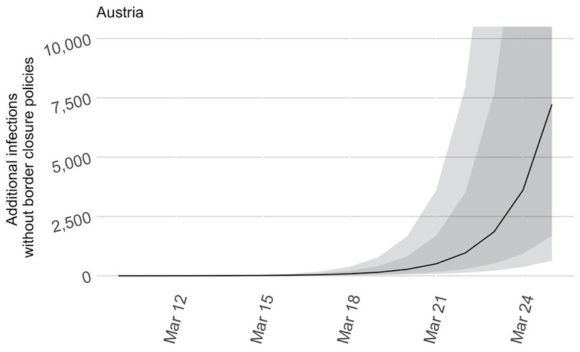
Figure 1: Additional infections in Austria without border closures (Note: Shaded areas correspond to the 68th and 90th quantiles, respectively).
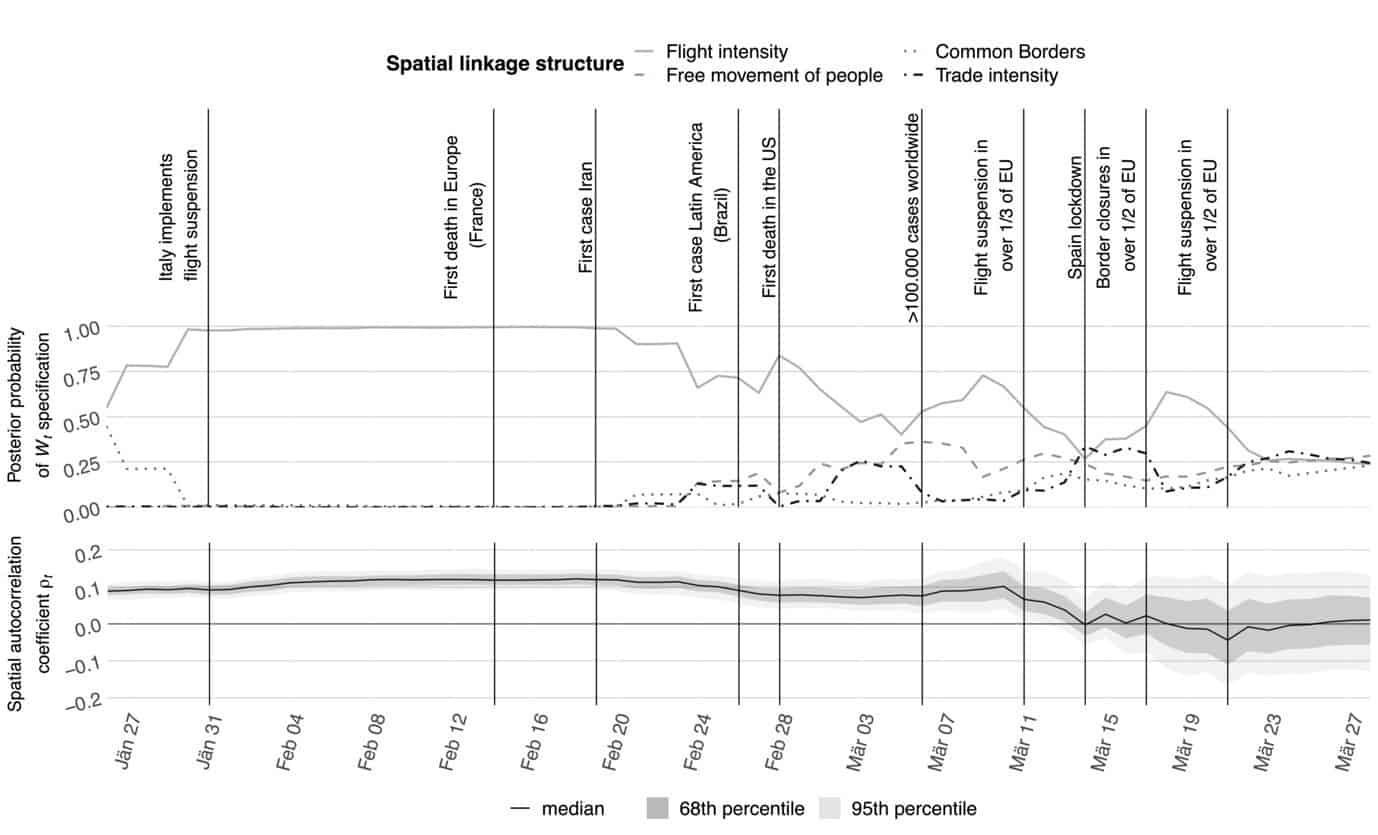
Additionally, our modeling shows the increased importance of flight connections over the initial period of the crisis, as seen in Figure 2. The top panel visualizes the relative importance of connectivity measures and demonstrates that, particularly in the beginning phases of the pandemic, flight connections were of the highest importance. The bottom panel shows infection spread between countries. Around the middle of March, when most border closure policies were implemented, the line drops to zero, indicating that these measures significantly reduced cross-border infections.
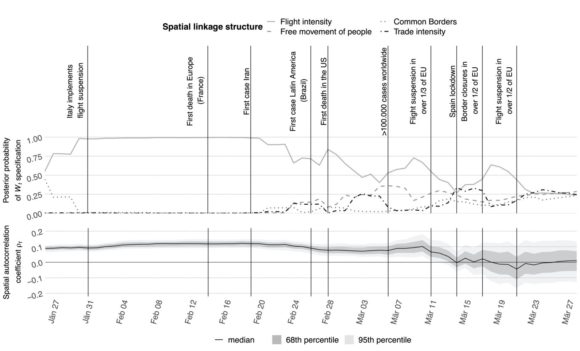
Figure 2: Importance of connectivity (top panel) and spatial spillovers (bottom panel)
Given the importance of air travel as a means for transmission of COVID-19, it stands to reason that governments and policymakers will have to continue to restrict air travel to prevent a second wave of the virus. As some parts of the world begin slowly to lift restrictions and ease lockdowns, while others are only now beginning to near the peak of the pandemic, it is likely that air travel will continue to be severely limited to prevent cross-border spread.
Note: This article gives the views of the author, and not the position of the Nexus blog, nor of the International Institute for Applied Systems Analysis.
Apr 22, 2020 | COVID19, Data and Methods
By Santosh Karanam, .NET Full Stack Developer in the IIASA Ecosystems Services and Management Program
Santosh Karanam describes his efforts to visualize people’s reactions to the easing of COVID-19 restrictions in real time as they are expressed on Twitter.

© Ezthaiphoto | Dreamstime.com
Who would have imagined at the beginning of 2020, when the United Nations Department of Economic and Social Affairs was still projecting global economic growth at 2.5%, that within a few months the same department would have to release a new briefing stating that the global economy is now projected to shrink by 0.9% in 2020 due to a pandemic. This is mainly due to sudden restrictions and disruptions in global supply chains and international trade. COVID-19 is already having a lasting impact on the global economy; nearly 100 countries have closed their national borders during the past month, and the movement of people and tourism flows have come to a screeching halt.
In some countries, the COVID-19 pandemic has peaked in terms of the number of new infections, however, many countries are yet to reach the peak. Countries that seem to have crossed the peak are looking for ways to lift restrictions gradually, while keeping an eye on infection rates to avoid a second wave of infections. These actions by governments are being watched closely by people around the globe and trigger various kinds of emotional reactions.
Visualizing Twitter reactions in real time
I was curious about the possibility of visualizing these reactions, or sentiments, on a real-time basis as we crawl through these unprecedented times of the COVID-19 pandemic. It led me to create a real-time dashboard to visualize sentiments about the lifting of pandemic restrictions expressed or evident on the social media platform Twitter.
Twitter has application program interfaces (APIs) that enable developers to pull data from Twitter in a machine-readable format. This data is the same as the data shown when you open your Twitter account in either a browser or a mobile application and search for specific words. I decided to utilize this data using search key words like “lifting lockdown” and ”lifting restriction” and assign sentiment scores to tweets relating to these keywords using sentiment140.
Sentiment140 is a program created by computer science graduates from Stanford University that allows you to discover the sentiment of a brand, product, or topic on Twitter. It automatically classifies the sentiment of Twitter messages by using classifiers built using machine learning algorithms, and provides transparency for the classification results of individual tweets. Twitter uses complex algorithms to get the results for key words. These tweets are pulled continuously in real time and sent to sentiment140 APIs where they are assigned sentiment scores: 0 for negative, 2 for neutral and 4 for positive.
Below is an example of this scoring:
|
Tweet
|
Scores |
Sentiment |
| Why are people so eager to end lockdown and lift restrictions… for a second wave and then moan again… the mind boggles!! |
0 |
Negative |
| Iran begins lifting restrictions after brief coronavirus lockdown |
2 |
Neutral |
| Germany has now begun to lift restrictions to visit one another and open businesses soon because we actually listened and stayed at home. Germany has now been marked the 2nd Safest country during the pandemic |
4 |
Positive |
From April 12th 2020 to April 21st 2020, a total of 208,220 tweets were scored and analyzed, this total number of tweets is growing daily as new tweets come in. The tweets are analyzed (sentiment scored) in real time and aggregated hourly. The above examples are taken from the analyzed tweets. For simplicity and to have a wholistic view of all relevant tweets, replies to tweets and re-tweets are all scored as people may react days after the initial tweet. For this experiment, only English language tweets are considered.
The scores assigned are aggregated every hour, stored in cloud storage, and are shown in the website dashboard. The dashboard shows the status of the current day’s scores and is updated every hour, it also shows the previous four days’ sentiment score results.
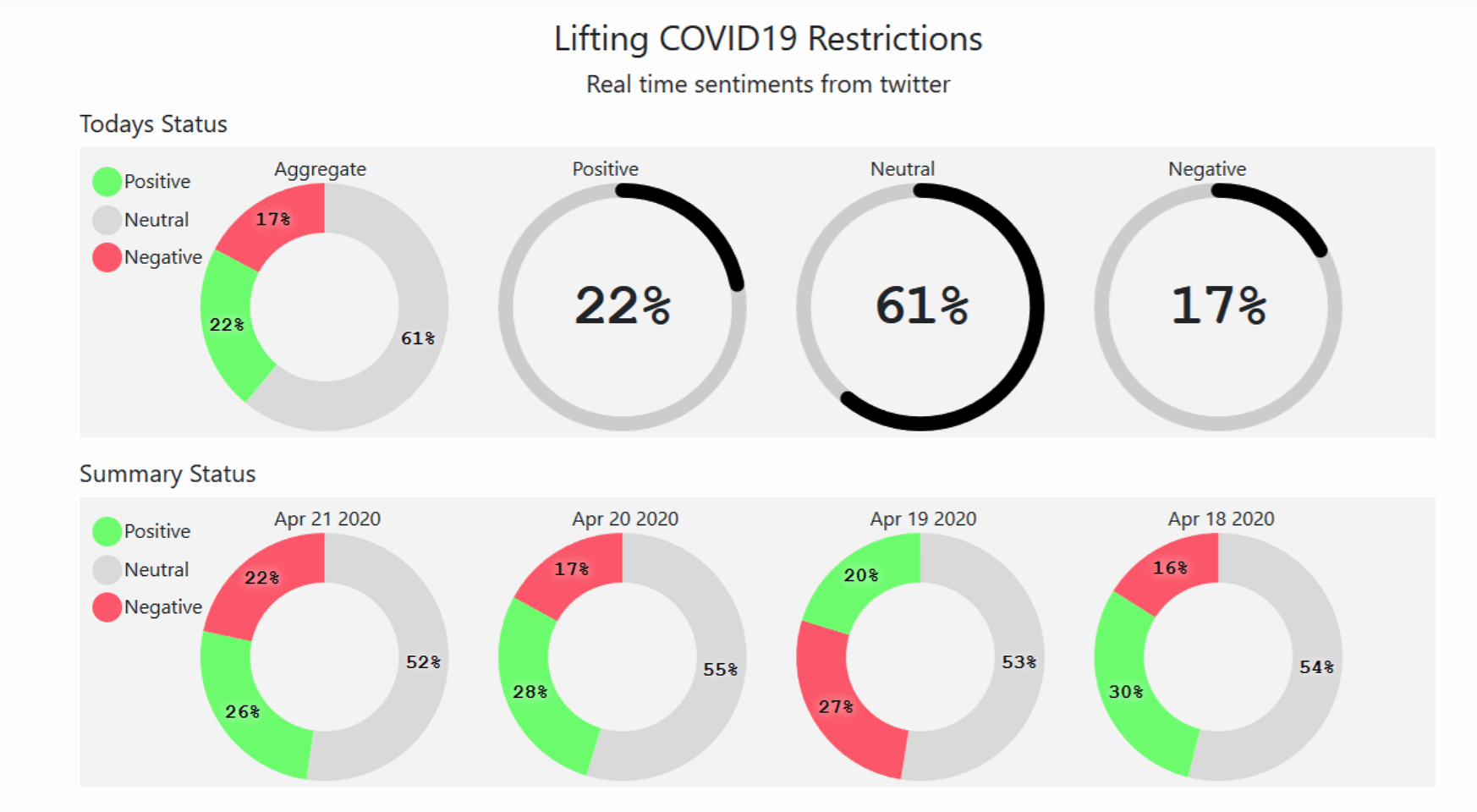
Visit the website and see the dashboard.
Trends so far:
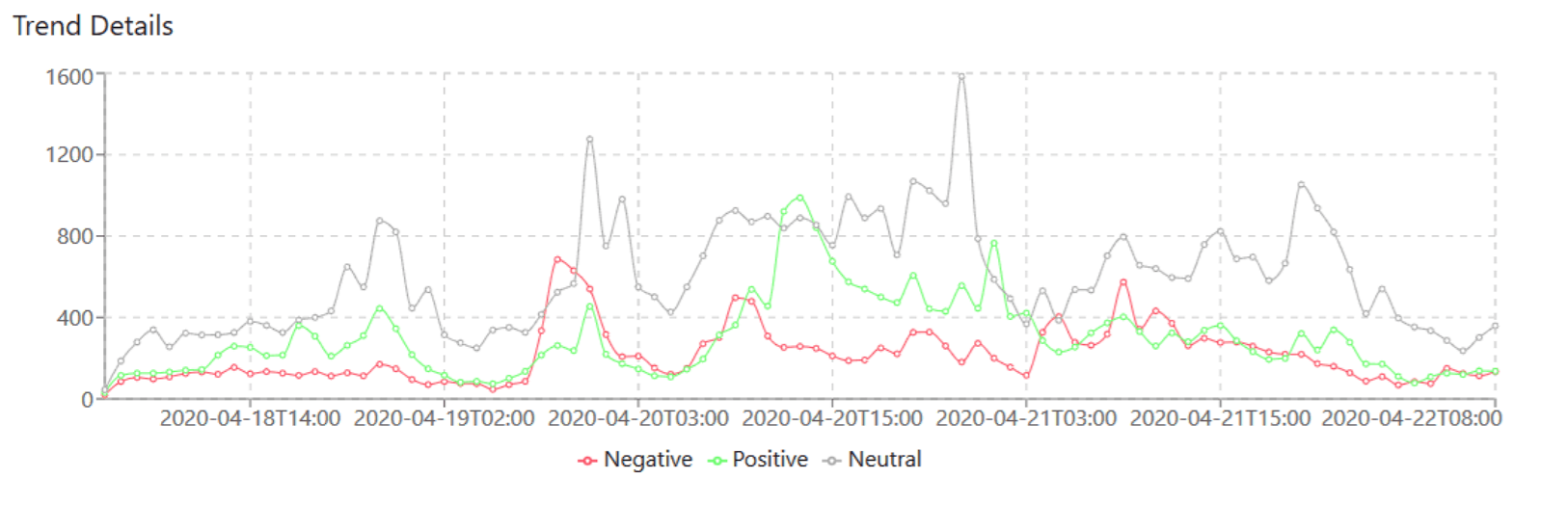
I can see a trend where most of the tweets fall under neutral scores as we are in the early days of restrictions being lifted. Many people are concerned about whether the measures will work. As the days progress I expect the neutral scores to reduce and convert into either positive or negative scores. This all depends on how infection rates either rise or fall in the days to come. Ideally, if everything turns out as planned, the positive sentiments will grow, and negative and neutral sentiments will shrink.
The scored tweets are not country specific but are captured globally, the reason being that less than 1-2% of Tweets are geo-tagged and for a real time experiment, I thought it would be too little data per hour. Since very few countries have crossed the peak of the curve, the current results show that the neutral and negative scores form the major share as we progress and hopefully, if infection rates do not increase drastically with the ease of lockdown restrictions, we might see positive sentiment scores taking the major share.
Additional info:
This is a sample experiment that I am running in the Microsoft Azure cloud using Azure Event Hubs and Azure Stream Analytics for real-time processing of Twitter data. I am storing the aggregated score results in Azure Blob Stores – you can read more about the setup here. The aggregated results are shown using a simple react java script application, which is again hosted in Microsoft Azure cloud. Do contact me for further details.
References
- https://www.un.org/sustainabledevelopment/blog/2020/04/covid-19-likely-to-shrink-global-gdp-by-almost-one-per-cent-in-2020/
- https://news.un.org/en/story/2020/04/1061782
- http://help.sentiment140.com/home
- https://developer.twitter.com/en
- https://docs.microsoft.com/en-us/azure/stream-analytics/stream-analytics-twitter-sentiment-analysis-trends
Note: This article gives the views of the author, and not the position of the Nexus blog, nor of the International Institute for Applied Systems Analysis
Apr 17, 2020 | Alumni, Germany, IIASA Network, Systems Analysis
By Liza Soutschek, doctoral researcher at the Leibniz Institute for Contemporary History, Germany
Liza Soutschek shares her journey in researching the institute’s history relating to the Cold War for her PhD dissertation.

© Liza Soutschek
IIASA, Schloss Laxenburg, November 1975
Howard Raiffa, the founding director of IIASA, was about to leave Schloss Laxenburg in November 1975 to return to the USA. In his farewell address, he reflected on the institute’s first three years as an East-West research institute during the Cold War and concluded:
“My most exhilarating moments at IIASA, the times when I feel most rewarded by all our efforts, occur whenever I am present at a scientific meeting and scientists from different disciplines and cultural backgrounds argue with each other, on substantive issues, without being conscious of their roles as mathematicians or economists or management scientists or of their national identities. I will never forget those times, when [Wolf] Haefele of F.R.G. [West Germany] and [Hans] Knop of G.D.R. [East Germany] would argue heatedly on a scientific point – sometimes on the same side and at other times on opposite sides.”
As Howard Raiffa pointed out, IIASA, founded in 1972 in the wake of Cold War détente, provided an exceptional platform for scientific dialogue and exchange across borders – in particular for East and West Germans.
Intrigued by IIASA’s history
Looking back from the present day, knowing how difficult interdisciplinary collaboration between scientists from different nations and cultures can be, one question that comes up right away is: what was it like working at IIASA in the 1970s and 1980s in the context of the Cold War?
I asked myself this question when I first came across IIASA in the fall of 2017, and the spring of 2018, when I started working on a dissertation project on the institute’s East and West German history. It is done as part of a research group that examined “Cooperation and Competition in the Sciences” in case studies from a historical perspective. In my dissertation, I analyzed the relations between scientific and political actors from East and West Germany in the context of IIASA, with a focus on mechanisms of collaboration and competition at the local site as well as on wider effects in the entangled Cold War German history.
Historical research: books, dust, and coffee
Historians write books, but in order to do that we have to read hundreds of other books, look for traces in (sometimes more, sometimes less) dusty archives, and drink a lot of coffee with interesting people.
Initially my research led me to several German state and scientific archives. In the Federal Archives, for example, I found evidence of close interconnections between German science and politics during the Cold War regarding IIASA – not only in the case of the GDR, but also the FRG. Besides the intention to build a bridge between East and West, IIASA was also an arena for Cold War rivalry in the eyes of both German states. My favorite archival find were the documents of the Max Plank Society, which was the former West German National Member Organization of IIASA.
In Germany, I also had the opportunity to talk to former West German members of the IIASA energy group in the 1970s and 1980s. Among them was Rudolf Avenhaus, who started working in the energy project under the leadership of Wolf Häfele in the summer of 1973. Over several cups of coffee, he told me about his life, what it was like to work at IIASA in those years, and about his collaboration with Willi Hätscher, one of the few East Germans in the group at that time.
A visit to IIASA and an inquiry
I finally had the chance to visit IIASA in the summer of 2019. With the help of several IIASA colleagues, I explored the IIASA archive for insights into the institute’s East-West German history. I also had the opportunity to discover more by talking to former and current IIASA employees. Two conversations I want to mention in particular, were with long-term staff members Martha Wohlwendt and Ruth Steiner, who provided an alternative view of IIASA to that of the scientists. I enjoyed my visit to the beautiful Schloss Laxenburg immensely and hope to return.
After collecting all these sources, from archival records to personal interviews, I can now begin writing an account on how cooperation and competition formed the relations between East and West Germans in the context of IIASA and thus, make IIASA’s history even better known.

© Liza Soutschek
After sharing this insight into my research, I would like to end with an inquiry. If you read this and think, “I could add something to this story!”, I would be happy to hear from you. Whether you are a former German IIASA staff member or have another connection to all of this, maybe we can add another piece to the puzzle together.
Contact:
Liza Soutschek
Institut für Zeitgeschichte München – Berlin
Leonrodstr. 46b, 80636 München, Germany
[email protected]
Note: This article gives the views of the author, and not the position of the Nexus blog, nor of the International Institute for Applied Systems Analysis.
More on the history of IIASA.
Apr 15, 2020 | Austria, COVID19, Demography
By Erich Striessnig, researcher in the IIASA World Population Program
Erich Striessnig discusses the risks posed by the current COVID-19 pandemic and shares insights from his latest research around socioeconomic indicators related to the pandemic in Austria.
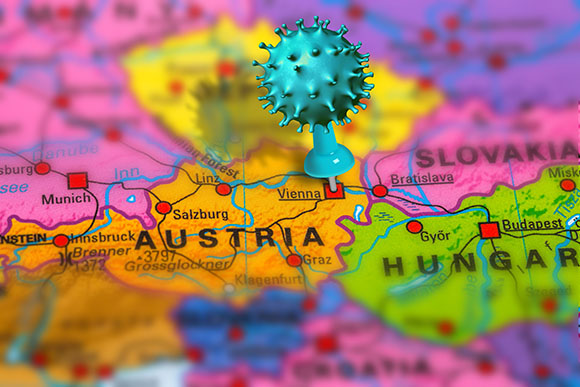
© Bennymarty | Dreamstime.com
Late last year, my IIASA colleague Raya Muttarak, Roman Hoffmann from the Vienna Institute of Demography/Potsdam Institute for Climate Impact Research, and I were informed by the City of Vienna that our proposal to study “Climate, Health and Population” (CHAP) in the metropolitan area of Vienna had been granted funding for the 2020 period. Originally, we wanted to study what climate change and demographic change in the rapidly growing Austrian capital implies with regard to future vulnerability to extreme weather events. As the city is booming with economic activity and experiencing more tropical summer heat every year, the extent of the urban heat island increases as well, thus posing a steadily increasing risk to the city’s growing population, especially the elderly.
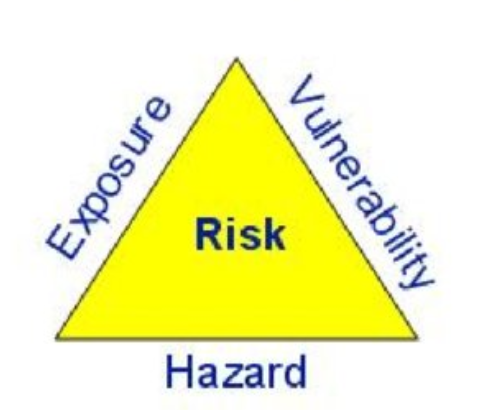
One conventional way of thinking about a population’s risk in the context of climate change is to decompose the risk and focus on its individual components. According to the famous “risk triangle” after Crichton, risk equals hazard times exposure times vulnerability. If any of the three can be taken out of the equation, the risk is reduced to zero … much like in the absence of sun, even the palest person can safely go outside without sunscreen! If, however, the hazard is there, people would be well advised to either not expose themselves to the sun or to reduce their vulnerability to skin damage and cancer by wearing sunscreen.
Now what does that have to do with our current predicament of a vast fraction of the world’s population being quarantined due to the outbreak of COVID-19? Well, as we and our CHAP colleagues were waiting for the meteorological data necessary for answering CHAP’s main research questions, we thought that we could focus on this much more imminent threat instead. In some way, the risk posed by COVID-19 can be viewed under the same lens as the above risk equation:
In terms of hazard, COVID-19 represents an unprecedented shock to social and economic systems and thus has a lot in common with climate-induced natural disasters. As humans are the carriers of the disease, the number of infected people in a local area can be considered as the hazard estimate. Meanwhile, by employing physical distancing (while remaining socially very active and helping, in particular, those around us that are in a more dire situation), we can lower exposure to that hazard a great deal and the risk can be reduced decisively. While under a business-as-usual scenario, our health system would soon find itself overwhelmed by an unbearable demand for health care, eventually having to give up lots of patients. The quarantine measures imposed in many countries serve to lower exposure and subsequently “flatten the curve”. So in order to reduce your own risk exposure and avoid increasing the risk for others, everyone who can afford to, please stay at home!
Likewise, we can to a certain extent work on lowering our vulnerability, both at the individual and at the societal level. Not everyone is equally vulnerable to the disease. As in the case of facing the challenges of climate change, populations faced with this pandemic are characterized by demographic differential vulnerability, expressed by the fact that the virus is more (but certainly not exclusively) lethal for older people, as well as those with preexisting health conditions and weakened immune systems. To reduce our individual vulnerability (in case we are exposed to the hazard), we can work on strengthening our immune systems.
At the societal level, we can reduce risks by identifying those places where the disease outbreak might have the strongest impact. For this we need suitable indicators available with sufficient spatial granularity. The initial, pre-lockdown infection hotspots, were often places that are well connected, such as travel hubs and touristic areas. In some cases, though, these hotspots were created simply as the consequence of bad luck, in other words, because there was a local “super-spreader” or a social event that brought together a large number of people. Such situations can hardly be anticipated. What we might be able to anticipate, though, are those vulnerable geographical hotspots where, given the pre-existing burden of disease, as well as the demographic and socioeconomic characteristics of the people that live there, the pandemic might cause the most havoc.
In line with the work by our IIASA colleague, Asjad Naqvi, we set out to map various indicators at the Austrian and Slovak municipal level (Slovak data courtesy of Michaela Potancokova from the IIASA World Population Program). Our indicators include things like the proportion of elderly population (>70+) or population density, but also the proportion of people with low socioeconomic status or a region’s connectedness in terms of the proportion of population commuting for work. These indicators can have varying importance in the short, medium, and long term — while mobility is no longer a big issue now that the population is in lockdown, socioeconomic characteristics, for example, may play a bigger role the longer the crisis lasts. While at the initial stages, Austrians with higher socioeconomic status were more likely to get infected due their mobility and larger social networks, the socioeconomic gradient might turn around eventually and those with lower social status might carry the brunt of the pandemic, as they are more likely to become unemployed and stay there for a longer period of time.

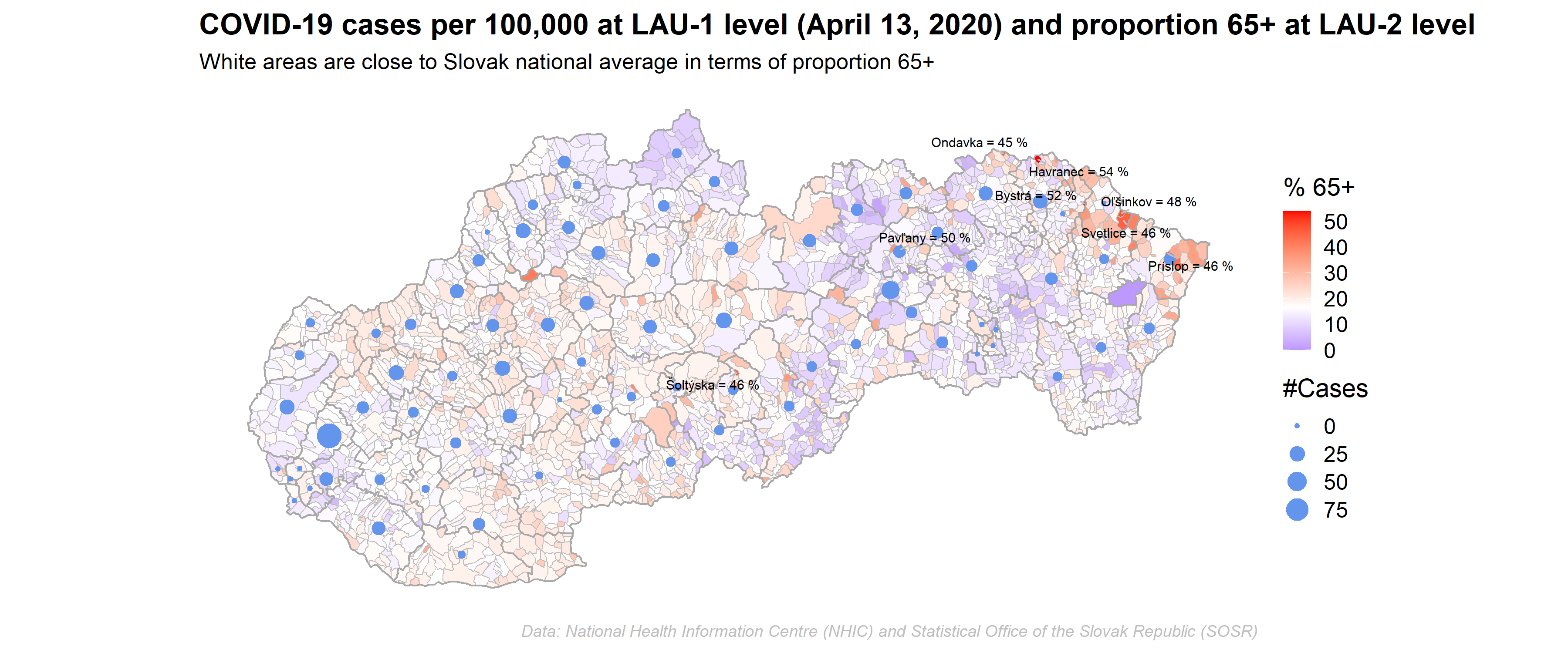
Our work to create a meaningful risk index from such vulnerability indicators is still in progress, but we aspire to pinpoint which areas are most likely going to need additional interventions, such as more testing or increased hospital capacities. This exercise will not only be useful at later stages of the pandemic, that is, when we slowly start moving back from the current quarantine situation (“The Hammer”) to gradual normalization (“The Dance”), but also when faced by other types of risks, such as from climatic hazards or economic shocks.
Note: This article gives the views of the author, and not the position of the Nexus blog, nor of the International Institute for Applied Systems Analysis
Apr 8, 2020 | Brazil, COVID19, Health, Women in Science
By Raquel Guimaraes, postdoc in the IIASA World Population Program
IIASA postdoc Raquel Guimaraes writes about efforts by the scientific community to encourage governments in Latin America and the Caribbean to increase COVID-19 test coverage to reduce vulnerability.
© Kukhunthod | Dreamstime.com
Together with a group of demographers from Latin America and the Caribbean (LAC), and endorsed by more than 250 individuals from the academic community, I contributed to a statement urging governments, the World Health Organization, and the Pan American Health Organization, to take immediate action to drastically increase the coverage of COVID-19 tests in the region. This call for action was disseminated by the British Society for Population Studies, Asociación Latino Americana de Población, Sociedad Mexicana de Demografía, Associação Brasileira de Estudos Populacionais, and the Population Association of America, among other important institutions.
I joined this initiative by invitation from Dr. Enrique Acosta and other colleagues, because I firmly believe that the prospects for the COVID-19 pandemic in the LAC region are rather dramatic. Several studies document that, apart from being globally recognized for its high levels of economic and social inequality, the region also suffers from institutional coordination failures and poor governance, a lack of appropriate resources, and presents a unique epidemiological and demographic profile of its population that escalates the negative prospects of the pandemic. I wanted to explore in more detail why these features of LAC are a source of major concern and require immediate action.
Social and economic inequality in LAC will hamper the enforcement of social distancing and isolation measures, which have proven to mitigate the COVID-19 epidemic in other settings. More than half of the population is in the informal labour market and does not have access to social safety nets. For those covered by the social security system, the benefits already proposed by a few governments of the region such as Brazil, fall short of the daily needs of families. In addition to economic inequality, social inequality, which leads to a high degree of cohabitation between adults and the elderly, increases the exposure of those with the highest risk of complications and death.
In addition, with the closure of schools, children who do not have access to day-care centres and the public- or private education system, often rely on the help of their grandparents, which again brings greater vulnerability to families. Not to mention that these children won’t have ensured their learning opportunities, because their parents are often working and not able to home-school them, thus compromising their education outcomes.
Moreover, LAC is facing a rapid demographic transition and aging process, which is temporarily increasing the prevalence of a young population, meaning that the population age-structure of potential infected individuals differs from that of other settings. However, unlike the more developed countries, LAC’s epidemiologic transition, that is, the transition in which the prevalence of infectious diseases is “substituted” by chronic and degenerative diseases, is not complete. Paradoxically, the region exhibits both the prevalence of diseases that have long been eradicated in more developed contexts (such as malaria, dengue, and tuberculosis) and diseases of richer countries (such as hypertension, diabetes, and neoplasms).
On top of all the above-mentioned vulnerabilities, crisis-management efforts in the region are uncoordinated, and lacking transparency and commitment. Taking Brazil as an example: while some mayors and governors adopt measures of social isolation and prevention against COVID-19, parts of the federal executive power not only disdain the problem, but encourages the population not to meet the requirements established by the Ministry of Health. Such conflicting rules are bound to cause misunderstandings among the LAC population. The COVID-19 pandemic is a crucial moment for institutional coordination to ensure the effective management of the crisis.
As an important and urgent call to action for the pandemic in the region, myself and other LAC researchers are calling for an increase in test coverage and measures of social isolation. As reported in the non-specialized media under the slogan “help to flatten the curve”, social isolation allows the rate of contagion of the virus to be reduced, in order to prevent overloading the capacity of the health system. Existing literature documents that while the virus does not cause major damage to health for the majority of infected persons, it brings a high cost to the health system. Furthermore, the impacts on the later lives of individuals who were hospitalized due to the disease are not yet known. Not to mention, of course, the human tragedy and the costs in terms of lives lost to the disease.
Finally, imperative and immediate action against COVID-19 in LAC will depend on the widespread and low-cost application of tests. This is required because the former rigorous isolation measures mentioned above are highly ineffective if not accompanied by aggressive strategies to detect cases of COVID-19. This highlights the relevance of data collection to better inform policymakers and provide researchers with clear diagnoses of the conditions in the region.
References:
Deaton A (2013). Cap. 3. Escaping death in the Tropics. In The Great Escape: Health, Wealth, and the Origins of Inequality. Princeton University Press.
Hoffman K, & Centeno MA (2003). The Lopsided Continent: Inequality in Latin America. Annual Review of Sociology, 29(1), 363–390. https://doi.org/10.1146/annurev.soc.29.010202.100141
Khemani S, Ferraz C, Finan FS, Johnson S, Louise C, Abrahams SD, Odugbemi AM, Dal Bó E, & Thapa D (2016). Making politics work for development: Harnessing transparency and citizen engagement (Policy Research Report). The World Bank. http://documents.worldbank.org/curated/en/268021467831470443/Making-politics-work-for-development-harnessing-transparency-and-citizen-engagement
Pérez CC, & Hernández AL (2007). Latin–American public financial reporting: Recent and future development. Public Administration and Development, 27(2), 139–157. https://doi.org/10.1002/pad.441
Note: This article gives the views of the author, and not the position of the Nexus blog, nor of the International Institute for Applied Systems Analysis



You must be logged in to post a comment.