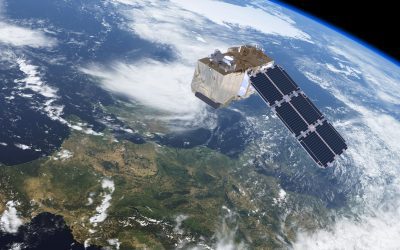
Bringing satellite data down to Earth
Free access to satellite data is important, but with massive data amounts, innovation is needed to make these data sets accessible and usable beyond experts.

From the Himalayas to the Andes: Crowdsourced disaster risk mapping
A unique collaboration finds common ground on flood risk resilience challenges in Nepal, Mexico, and Peru.
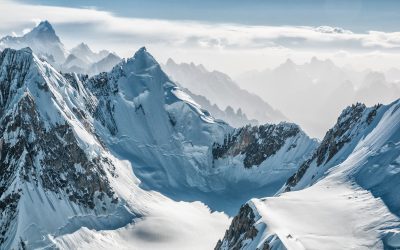
What is driving Pakistan’s water crisis?
Pakistan is facing serious water scarcity problems: what’s driving the issue and what can be done?
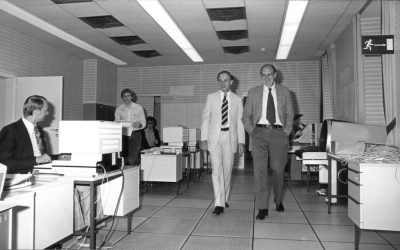
Interview: A look back at the Young Scientists Summer Program
An interview with former IIASA director Roger Levien, who first conceived of a program at IIASA for young scientists.
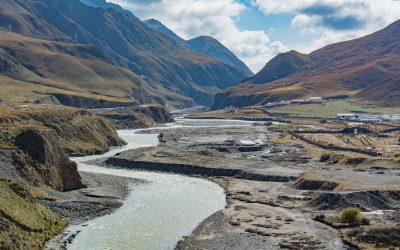
Interview: An empirical view of resilience and sustainability
An alumnus of the YSSP aims to make a positive impact on humanity and sustainable development.
The roads to 2050
An ambitious international scientific initiative aims to chart the pathways from now to 2050 with a single aim: successful completion of the Sustainable Development Goals within planetary boundaries.
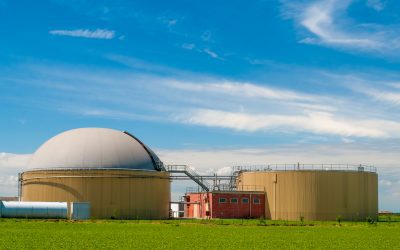
How clean is green gas?
While biogas brings climate benefits, it also has environmental impacts—a new study explores these impacts for Northern Italy.

Learn from the past, prepare for the future
How education contributes to raising disaster resilience in low- and middle-income countries.

Why Germany and not Japan is the leader in renewable energy
Comparing energy transitions in two countries which started out similar but ended up very different.
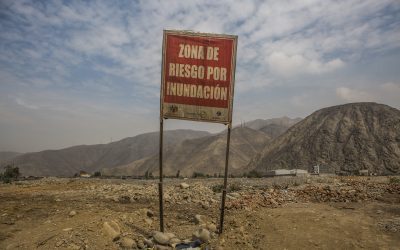
From risk reduction infrastructure to integrated watershed governance in Peru
Peru’s Rimac Valley looks more like a lunar landscape than a flood-risk hotspot, but add a few millimeters of rain, and everything changes.

What will it take to trust scientific data from citizens?
We trust the information that citizens supply about other public activities—so why don’t scientists and public authorities trust the data they are providing via citizen science campaigns?
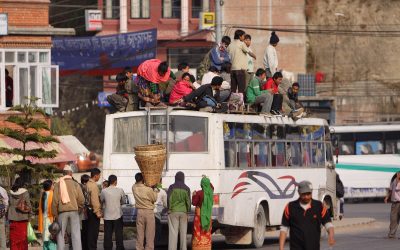
Counting the Nepalese
Nepal is seeing massive migration to other countries, for jobs and other opportunities—what does that mean for population projections in the country?

How the Tohoku disaster is changing Japan
Could the earthquake, tsunami, and nuclear disaster be an opportunity to build sustainable communities?
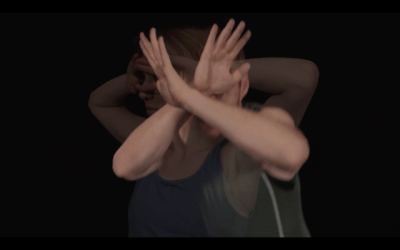
Post-truth? Science responds through art
Gloria Benedikt, IIASA science and arts associate, on science and arts in the post-truth era
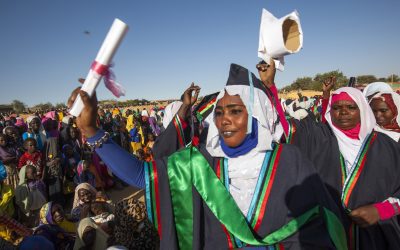
What you probably don’t know about higher education in sub-Saharan Africa
A new book sheds light on trends in African higher education.
You must be logged in to post a comment.