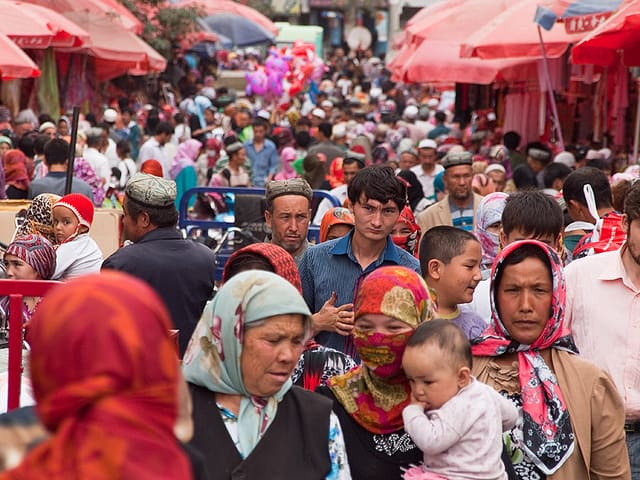
9 billion or 11 billion? The research behind new population projections
IIASA demographers explain why they project the world population to peak this century and UN demographers believe stabilization is unlikely
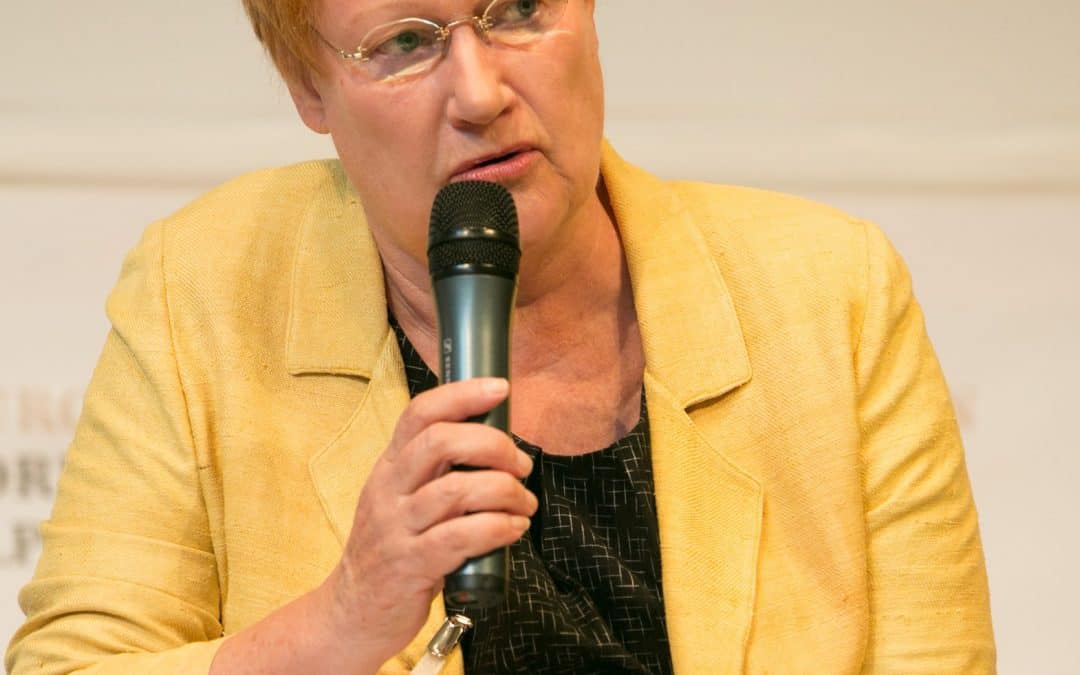
Interview: Inequality is a lifelong story
Tarja Halonen was the 11th President of the Republic of Finland and Finland’s first female head of state from 2000 to 2012. She currently serves as the Co-Chair of the UN High-level Panel on Global Sustainability, and the Chair of the Council of Women World Leaders....

Charting connections: the next challenge for systems analysis
At a lecture for IIASA staff, mathematician Don Saari challenged researchers to think outside the box when it comes to systems analysis research.
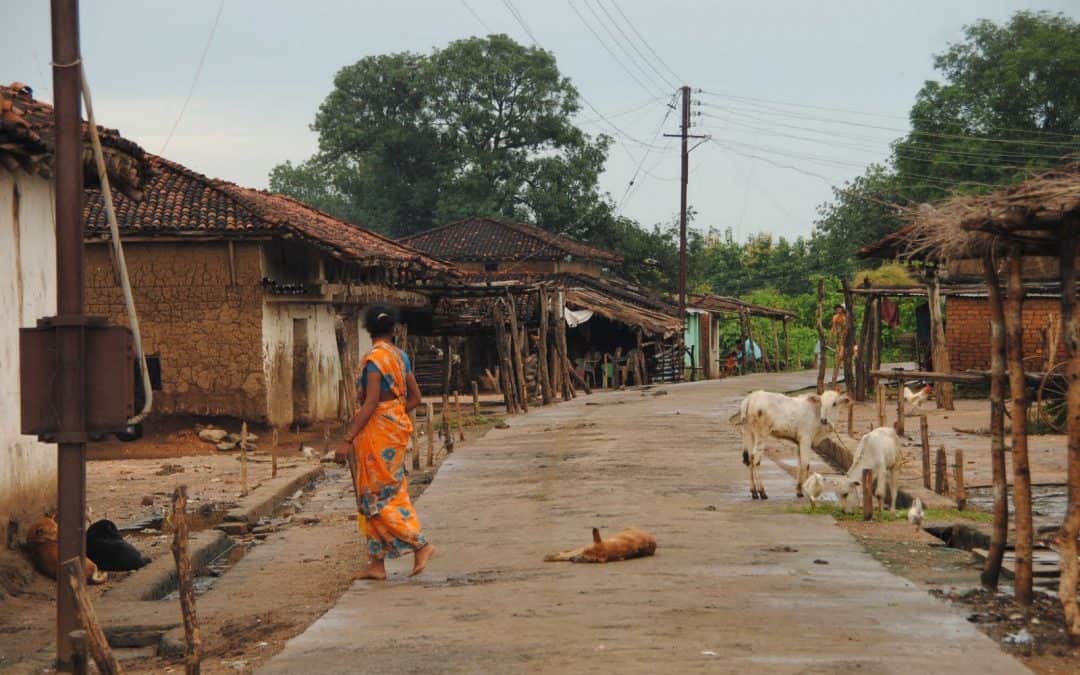
Poverty eradication and climate change: Is there a conflict?
Many people associate raising living standards in developing countries with increases in greenhouse gas emissions. New research by IIASA’s Narasimha Rao shows that may not be the case.

Innovating to address climate change
How can we innovate successfully to address climate change? A new book by IIASA researchers shows the way through a historical investigation of past energy innovations. By Charlie Wilson and Arnulf Grubler.

Tackling the dilemma of local actions and planetary boundaries
Wiley’s open-access journal devoted to documenting global change and sustainability, published online a commentary by scientists from IIASA and Brazil tackling the tough question of how to ensure that actions taken locally do not—collectively—contribute to overreaching planetary boundaries.
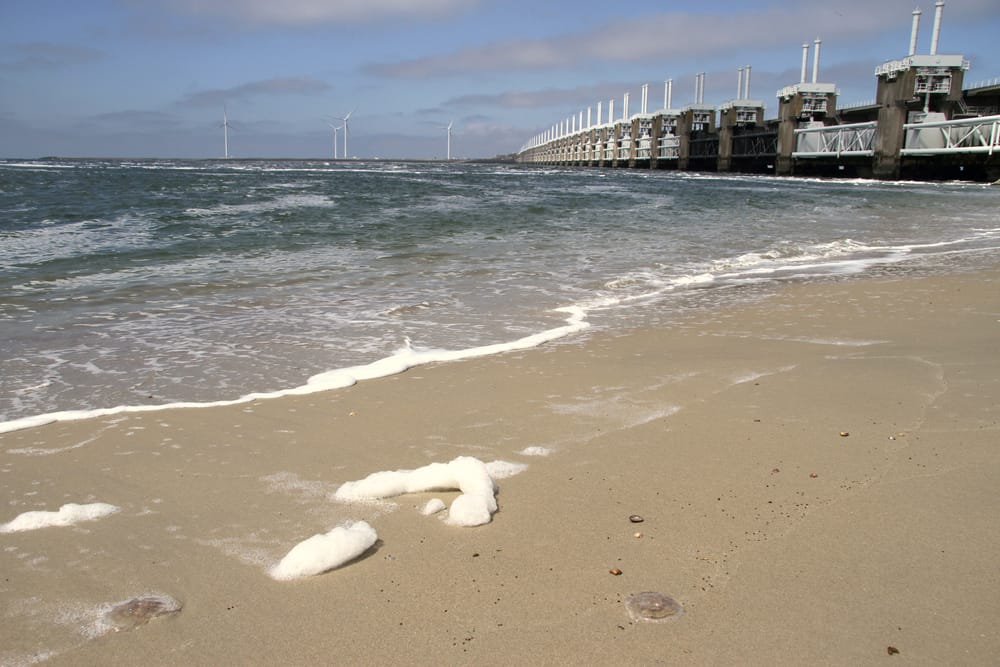
Barriers to adaptation: Really?
What does adaptation to climate change entail, and what stands in the way of successful adaptation? Wageningen University researcher Robbert Biesbroek describes recent research on barriers to adaptation, which he conducted in collaboration with IIASA.
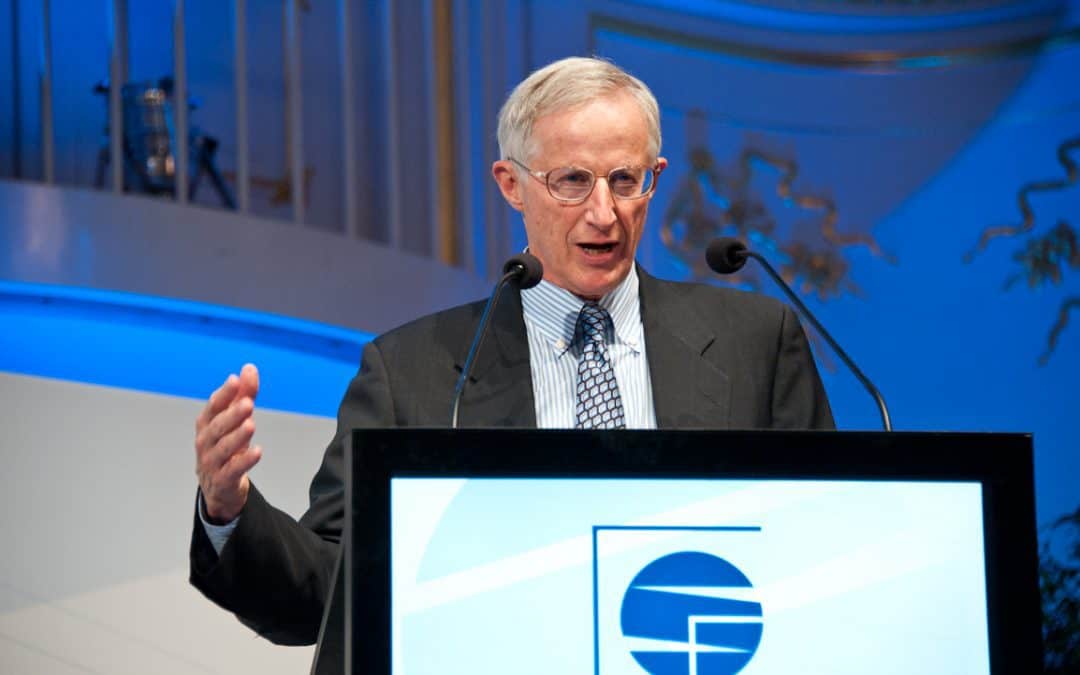
William Nordhaus: A new model for climate treaties
At a lecture for IIASA staff, economist Bill Nordhaus explained his idea of “climate clubs” as a new model for international agreements on climate mitigation.

The future of social change
How will societies develop in the future? And what environmental, economic, and social factors will influence these changes? Can these problems be analyzed in a scientific way? IIASA’s Anne Goujon reports from a recent workshop that addressed these questions.
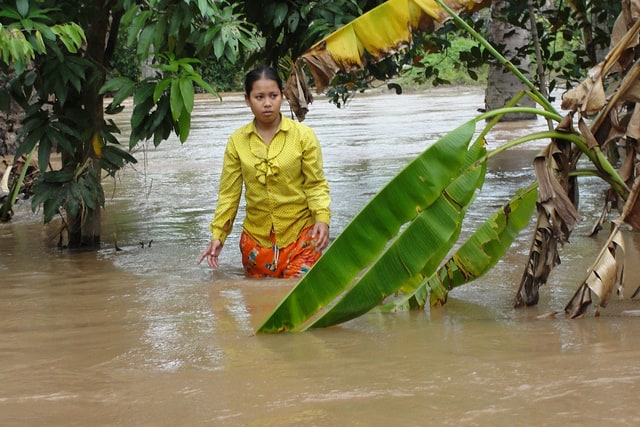
Risk-based planning in developing countries—CATSIM training in Cambodia
Junko Mochizuki, a research scholar in the IIASA Risk, Policy, and Vulnerability Program, writes about her recent trip to Cambodia to train policymakers in risk assessment and preparedness tools.