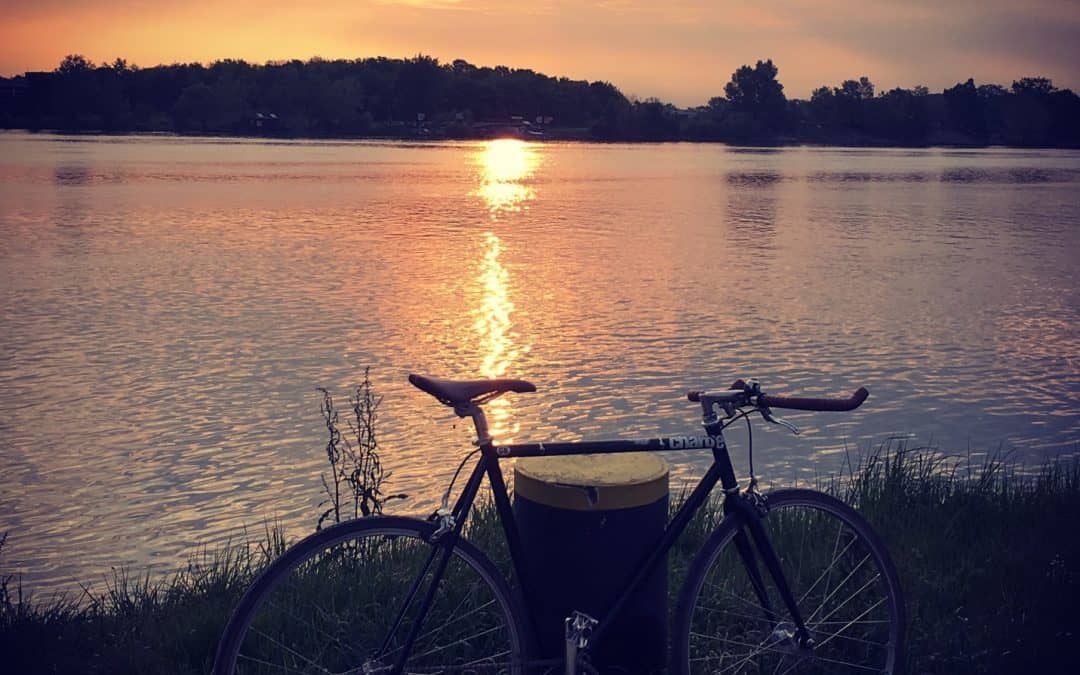
Is it worth it to bike to work?
What is the real climate benefit of riding your bike to work?
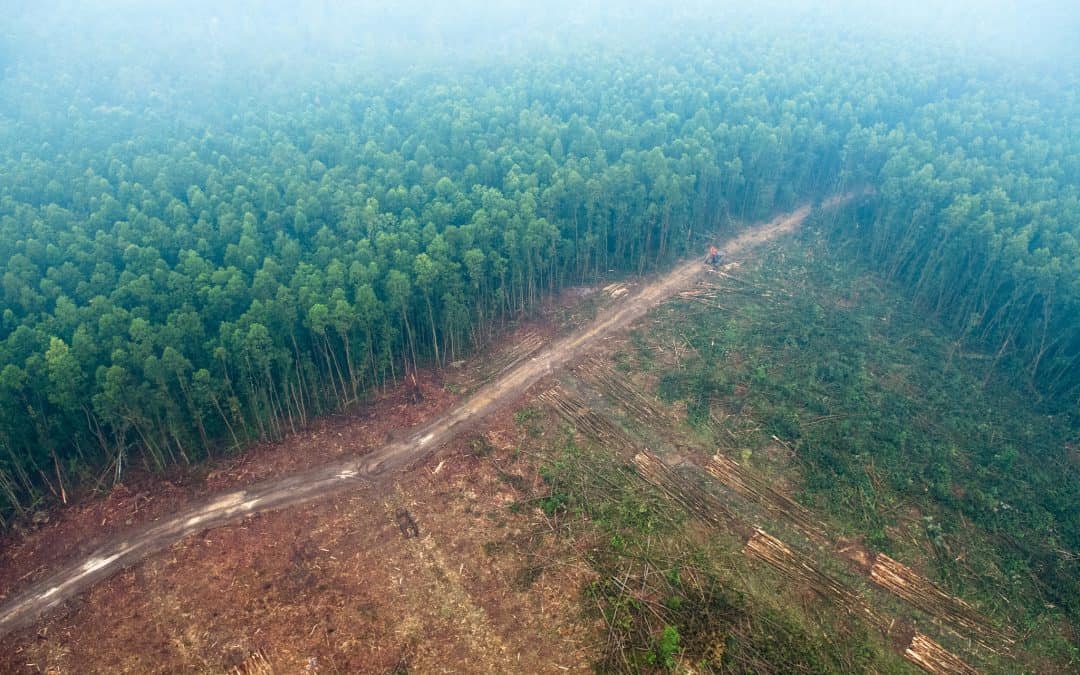
Picture Pile: Gaming for Science
The crowdsourcing game Picture Pile has reached half its goal of sorting 5 million satellite images. Why IIASA researchers need your help to finish the rest.
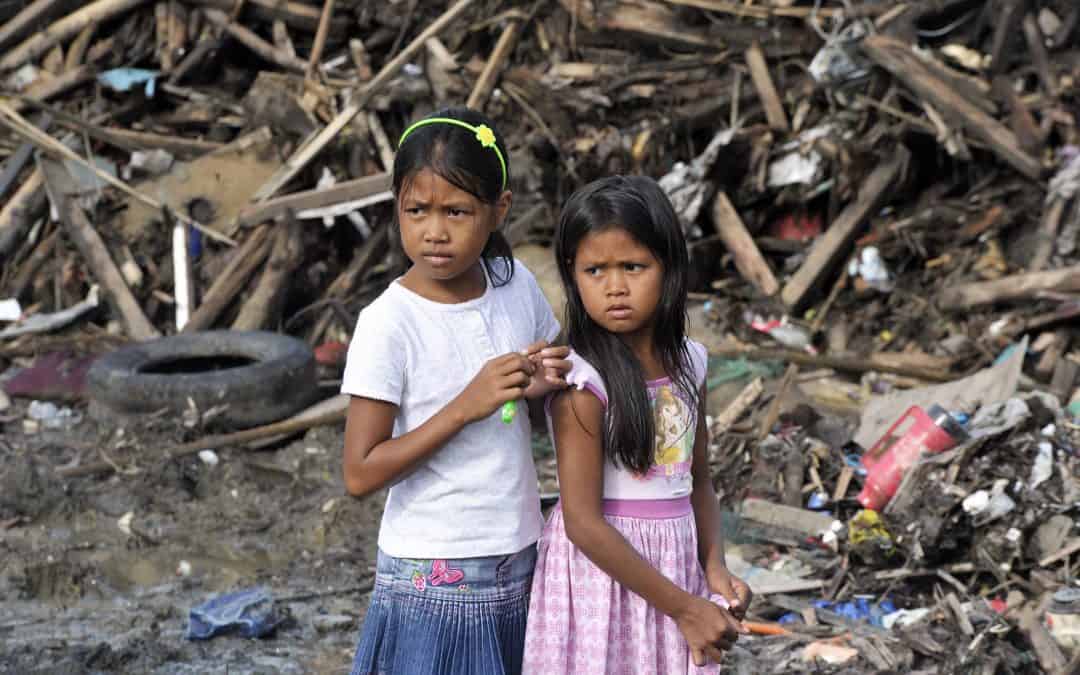
When global lessons are not so easily learned
Disaster risk policy has a long way to go to to turn “lessons learned” into preventative actions.
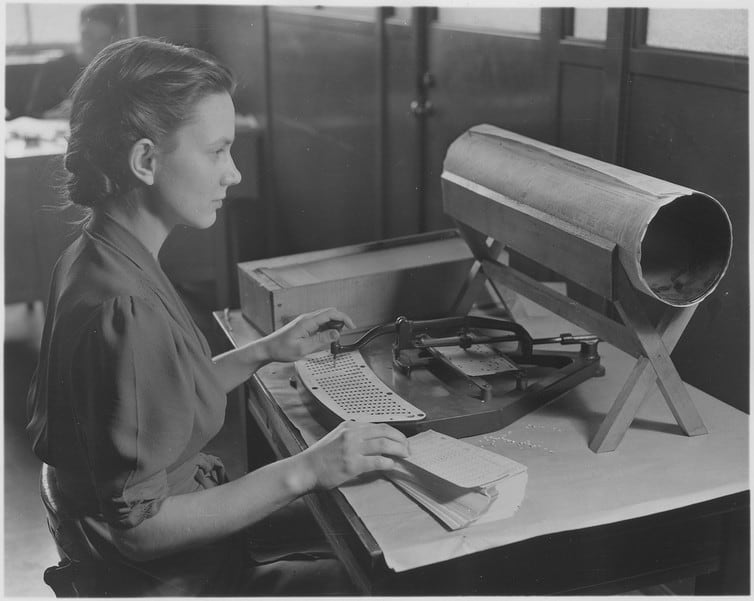
It’s time to measure 21st century aging with 21st century tools
Turning 65 in 2016 doesn’t mean the same thing as hitting 65 in 1916. New measures of age change the equation.
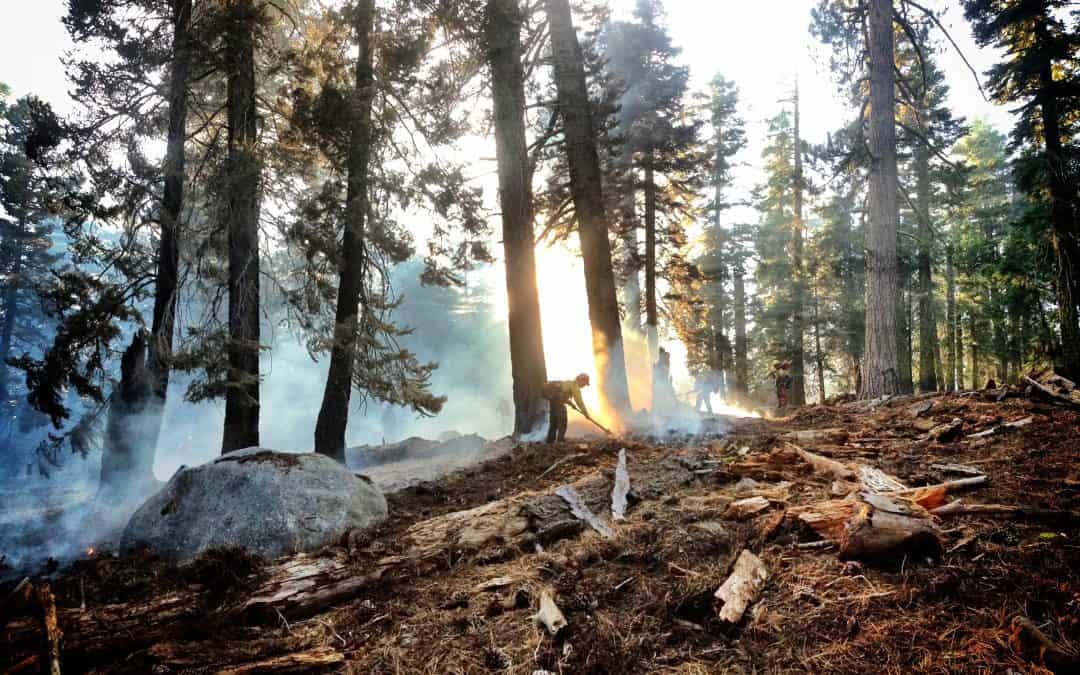
Modeling forest fires: a burning issue
How can a model estimate how fast and far a wildfire will spread?
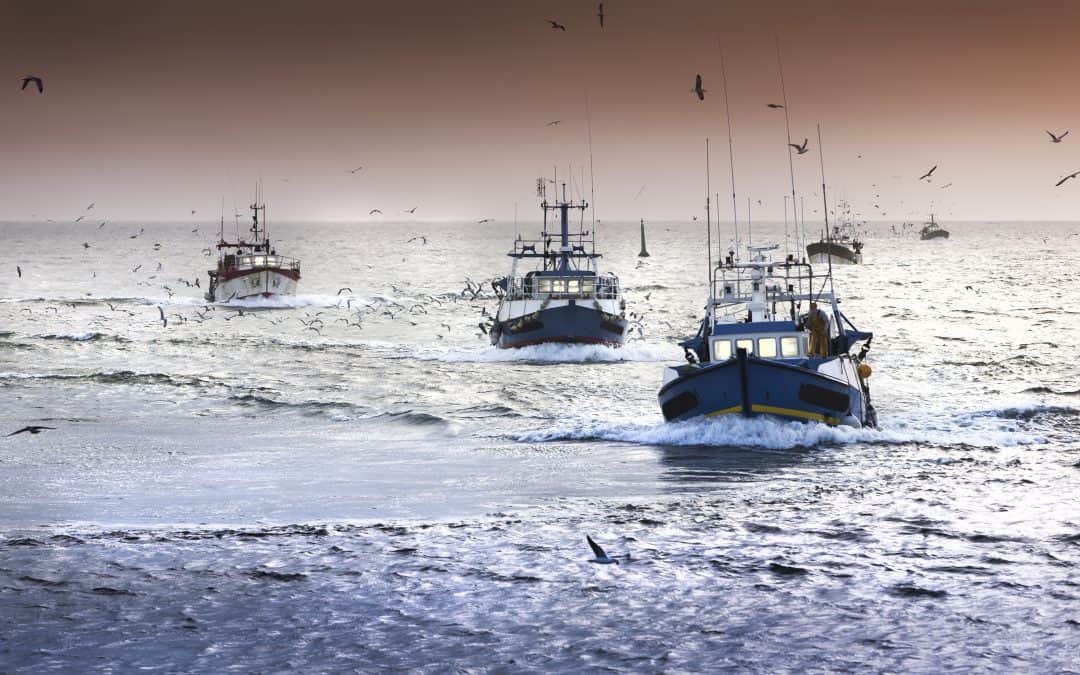
Challenges for marine decision making in the Arctic
A participant in the Moscow Summer Academy 2015 combines optimal control with game theory to model interplays between ecology and economic behavior
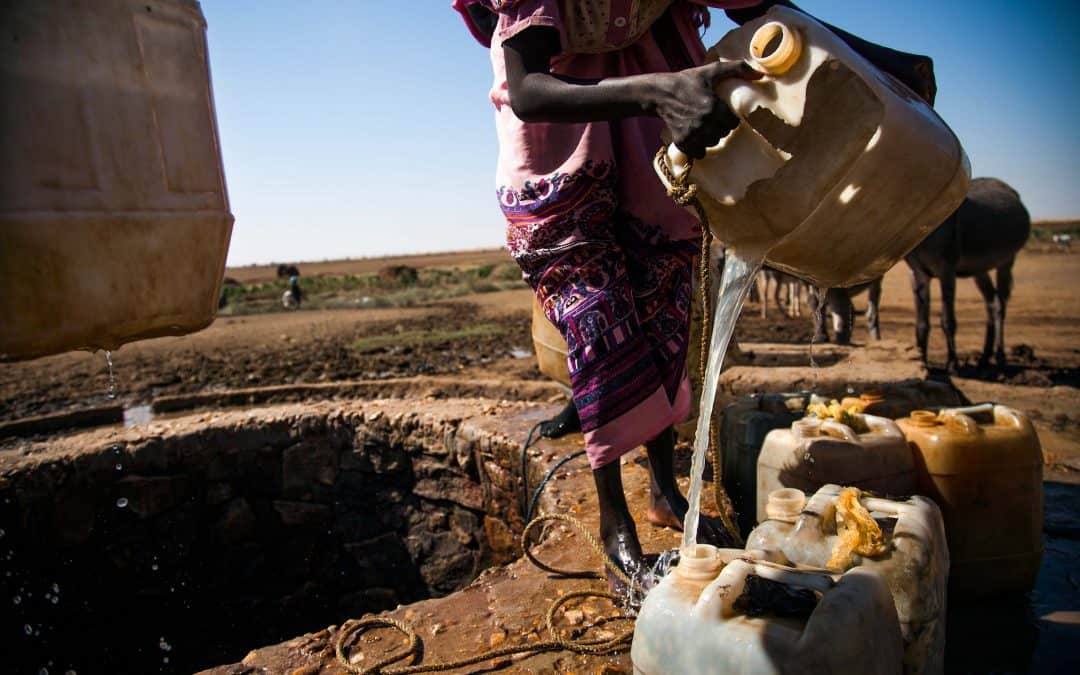
Better water, better jobs
UN World Water Day focuses on water and jobs – how are they linked?
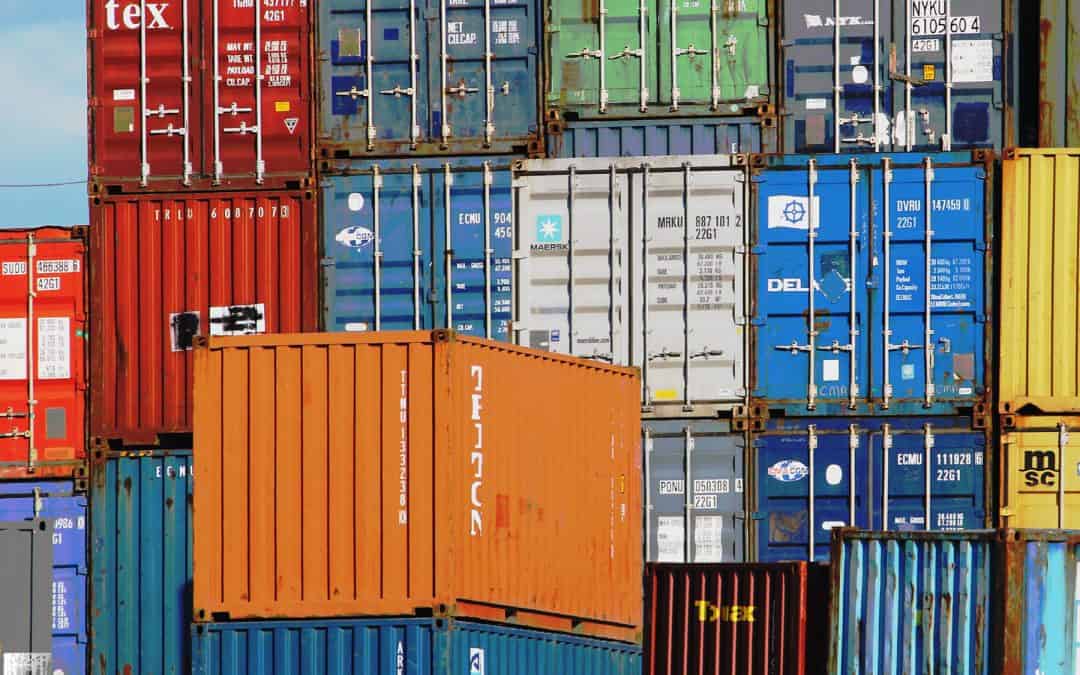
How coordination can boost the resilience of complex supply chains
With global supply chains, local disasters or man-made accidents can propagate from one place to another, and generate significant impact. How can this be prevented?
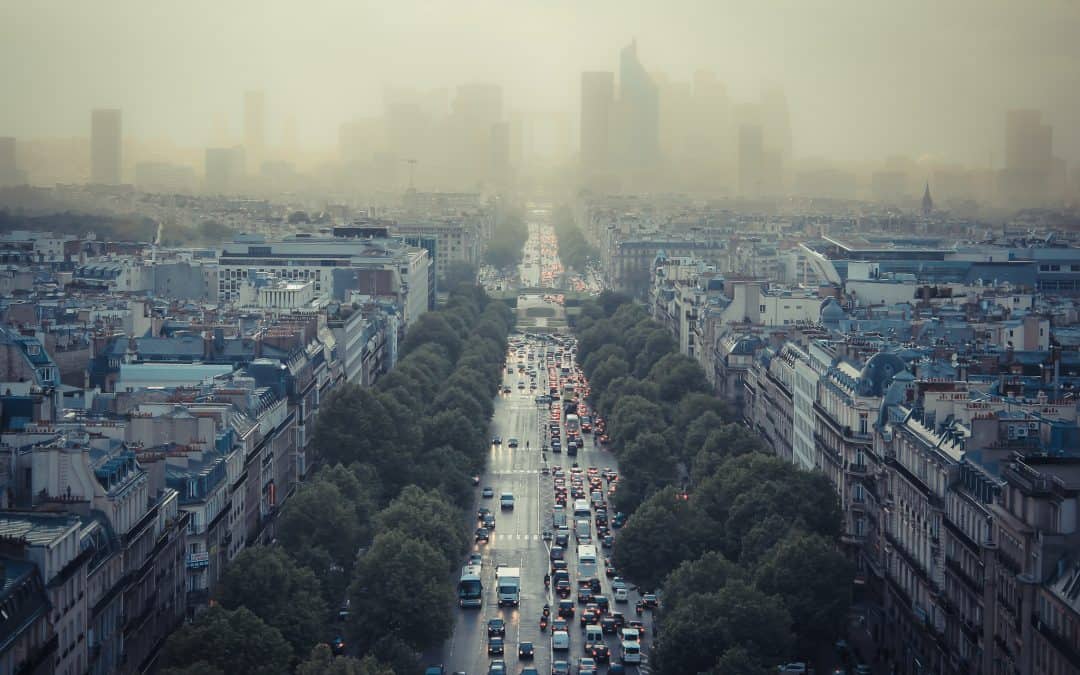
Climate change, bioenergy, and ozone in the EU
Ozone pollution is intertwined with air pollution and climate change. So what impact will EU policies on climate and clean air have on future ozone levels?
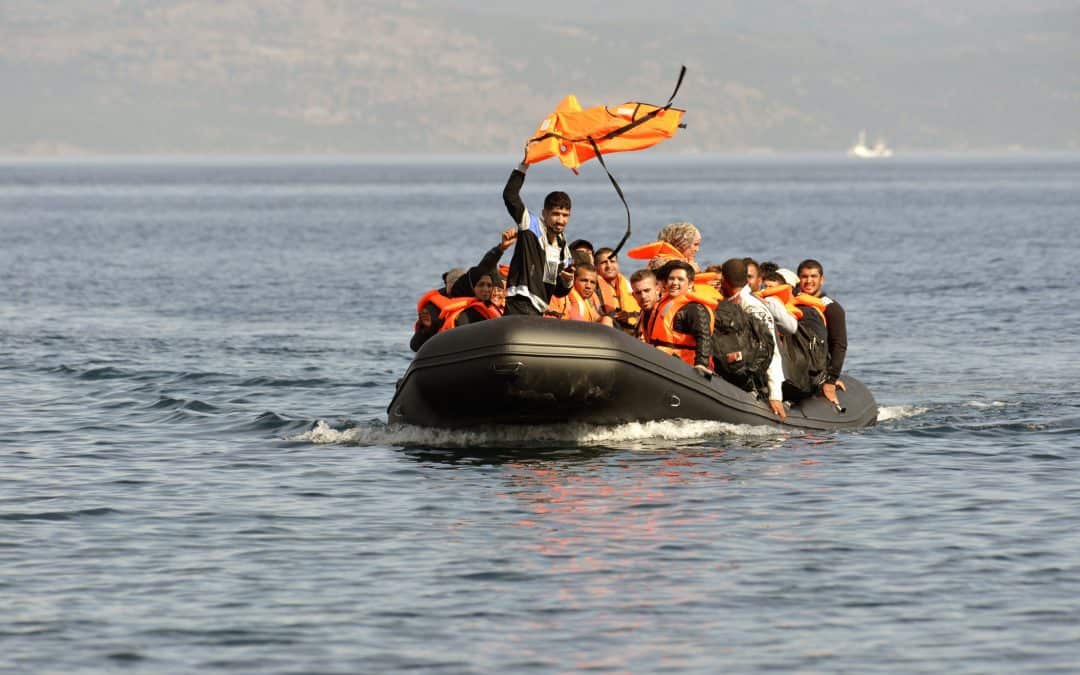
Migration analysis: A growing priority for policy
Population researcher Luis Castro reflects on the history of migration analysis at IIASA, and its critical relevance today.